 by
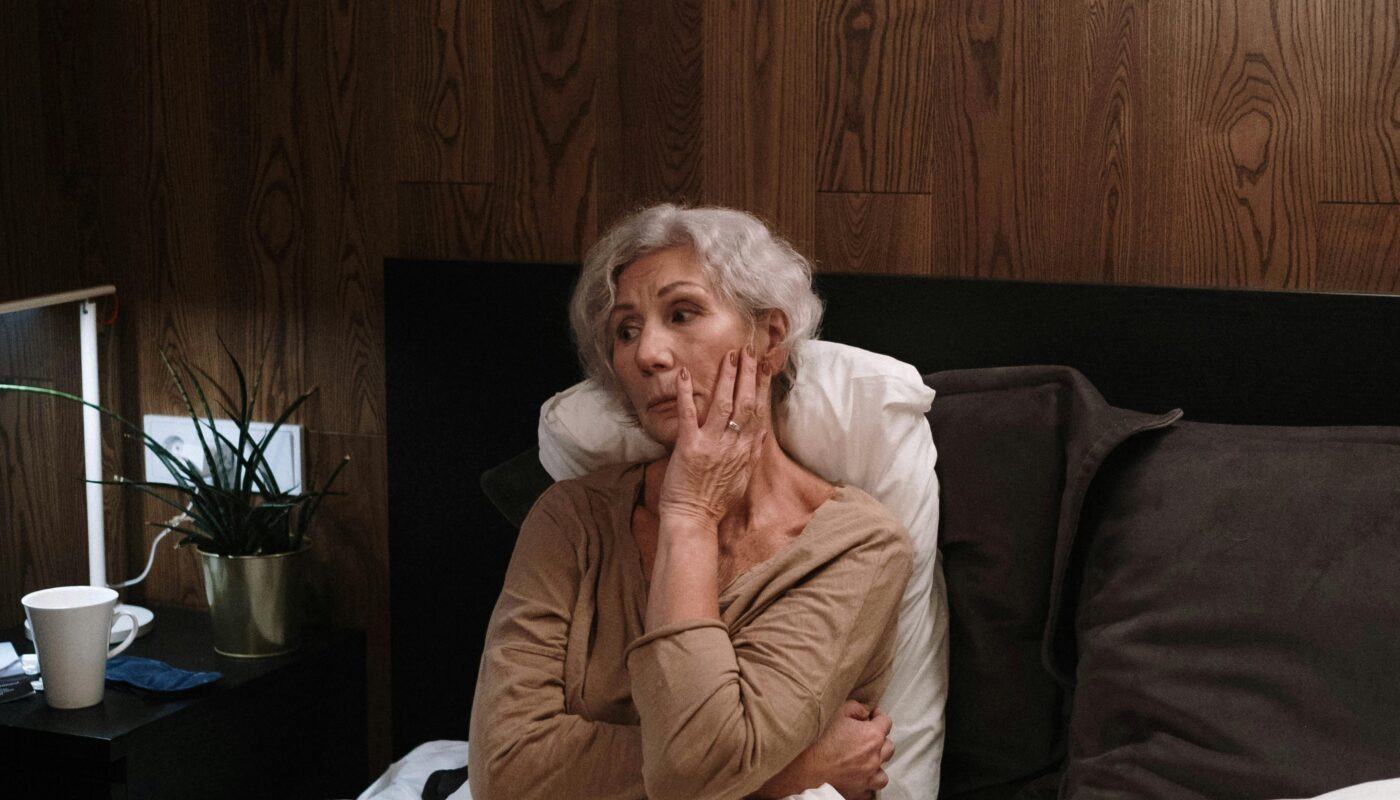
by Night falls. The world quiets. Your body lies still. And yet—for millions living with chronic conditions—this is precisely when pain becomes loudest.
This experience is so widespread that it has a name in patient communities: “painsomnia.” It captures a frustrating paradox—when rest should bring relief, discomfort intensifies instead.
But this isn’t random. Night-time pain follows patterns shaped by biology, behavior, and psychology. Understanding these patterns doesn’t just explain your symptoms—it gives you leverage to manage them.
This in-depth guide explores why chronic pain often worsens at night, what mechanisms are involved, and how this knowledge can help reclaim better rest and control.
The Reality of Night-Time Pain
Chronic pain affects a significant portion of the population, and many report clear fluctuations across the day. For some, mornings are hardest. For others, pain peaks in the evening or overnight.
But night-time pain stands out for one reason: it disrupts sleep.
That disruption creates a vicious cycle:
- Pain prevents sleep
- Poor sleep increases pain sensitivity
- Increased sensitivity worsens future pain
Over time, this loop can intensify both physical symptoms and emotional distress.
The Core Question: Why Does Pain Get Worse at Night?
There isn’t a single answer. Instead, several overlapping systems contribute to night-time pain.
Let’s break them down.
1. Your Circadian Rhythm Changes Pain Sensitivity
Your body runs on an internal 24-hour clock—your circadian rhythm. This system regulates sleep, hormones, temperature, and even how pain is processed.
Research suggests that pain sensitivity itself follows a daily rhythm, often peaking at night.
What this means:
- Your body may physiologically amplify pain signals at night
- This happens even if your condition hasn’t worsened
- Pain isn’t “imagined”—it’s biologically timed
This is one of the most important reasons chronic pain feels different after dark.
2. Anti-Inflammatory Hormones Drop at Night
During the day, your body produces cortisol—a hormone that helps regulate inflammation.
At night, cortisol levels naturally fall to their lowest point.
Why this matters:
- Less cortisol = less control over inflammation
- Inflammatory conditions (like arthritis) may flare
- Swelling, stiffness, and soreness can increase
This explains why many people experience:
- Aching joints in bed
- Morning stiffness
- Night-time flare-ups
3. Inactivity Leads to Stiffness and Pressure Build-Up
During the day, movement helps your body:
- Lubricate joints
- Improve circulation
- Distribute mechanical stress
At night, everything slows.
When you lie still for hours:
- Joints lose lubrication
- Muscles tighten
- Blood flow decreases
- Pressure builds in specific areas
The result:
Pain doesn’t just feel worse—it becomes mechanically worse.
This is especially common in:
- Back pain
- Neck pain
- Arthritis
- Muscle injuries
4. Sleep Position Can Aggravate Pain
Your sleeping position plays a bigger role than most people realize.
Holding one position for hours can:
- Compress nerves
- Strain joints
- Misalign the spine
Even subtle issues—like a poor pillow or mattress—can amplify discomfort overnight.
Common effects:
- Lower back pain when lying flat
- Shoulder pain when side-sleeping
- Neck stiffness from poor support
5. Your Brain Has Fewer Distractions
During the day, your brain is busy:
- Work
- Conversations
- Movement
- External stimuli
At night, that noise disappears.
Pain doesn’t necessarily increase—but your awareness of it does.
Experts note that reduced distraction can heighten perceived pain intensity, making symptoms feel stronger even if they haven’t changed physically.
6. The Pain–Sleep Cycle Intensifies Symptoms
Pain and sleep are deeply interconnected.
- Pain disrupts sleep
- Poor sleep increases inflammation
- Inflammation increases pain
Sleep deprivation can also raise inflammatory proteins (cytokines), which make the body more sensitive to pain signals.
The long-term effect:
A self-reinforcing cycle where each night becomes harder than the last.
7. Body Temperature and Nerve Sensitivity Shift
At night:
- Core body temperature drops
- The environment is often cooler
- Circulation changes
For damaged or sensitive nerves, these changes can:
- Trigger tingling
- Increase burning sensations
- Amplify neuropathic pain
This is why conditions like neuropathy often feel worse in bed.
8. Mental and Emotional Factors Amplify Pain
Night-time is often when:
- Stress catches up
- Anxiety increases
- Thoughts become more intense
Emotional states directly influence pain perception.
Stress can:
- Heighten nerve sensitivity
- Increase muscle tension
- Amplify pain signals
Pain itself can also cause anxiety, creating a feedback loop that keeps both active.
9. Fatigue Lowers Pain Tolerance
By the end of the day:
- Your body is physically tired
- Muscles are fatigued
- Energy reserves are depleted
Fatigue reduces your ability to cope with pain.
This doesn’t necessarily increase the cause of pain—but it lowers your threshold for tolerating it.
10. Chronic Conditions Have Night-Time Patterns
Certain conditions are especially prone to night-time worsening:
Arthritis
- Inflammation builds during inactivity
- Morning stiffness follows
Fibromyalgia
- Heightened sensitivity + poor sleep
Neuropathy
- Nerve irritation increases with temperature changes
Back and spinal conditions
- Pressure shifts when lying down
Autoimmune diseases
- Inflammatory cycles often peak overnight
These patterns reinforce that night-time pain is not random—it’s condition-specific and predictable.
The Human Experience: “Painsomnia”
Patients often describe a distinct experience:
- Pain that waves through the night
- Difficulty falling asleep
- Frequent awakenings
- Exhaustion the next day
“Painsomnia” captures this lived reality—a loop where pain and sleeplessness feed each other.
Why Night-Time Pain Feels More Intense Than It “Should”
Putting it all together:
Night-time pain isn’t caused by one factor—it’s the stacking of multiple effects:
- Biological (circadian rhythm, hormones)
- Mechanical (position, stiffness)
- Neurological (nerve sensitivity)
- Psychological (attention, stress)
- Behavioral (lack of movement)
Each layer adds to the next.
By night, your body is:
- Less protected (low cortisol)
- Less active (stiffness)
- More aware (quiet brain)
- More sensitive (sleep deprivation)
The result? Pain that feels amplified, persistent, and harder to ignore.
Breaking the Cycle: Why Understanding Matters
Understanding night-time pain is powerful.
It shifts the narrative from:
“Something is wrong with me at night”
to:
“My body is following predictable patterns”
This distinction matters.
Because predictable patterns can be managed.
Practical Strategies to Reduce Night-Time Pain
While chronic conditions differ, several universal approaches can help:
1. Pre-Sleep Wind-Down Routine
Relaxation lowers stress hormones and prepares the body for rest.
2. Gentle Movement Before Bed
Light stretching can reduce stiffness buildup.
3. Optimize Sleep Position
- Use supportive pillows
- Maintain spinal alignment
4. Temperature Balance
Keep the room cool—but not cold enough to trigger nerve sensitivity.
5. Improve Sleep Consistency
Better sleep reduces inflammation and pain sensitivity.
6. Manage Mental Load
Techniques like mindfulness can reduce pain amplification.
When to Seek Medical Advice
Night-time pain is common—but certain signs need attention:
- Pain that wakes you consistently
- Severe, worsening symptoms
- Neurological changes (numbness, weakness)
- Pain linked to unexplained weight loss or fever
These may require professional evaluation.
Final Thoughts
Night-time pain is one of the most frustrating aspects of chronic conditions—not just because of the discomfort, but because it steals rest, recovery, and peace.
But it isn’t mysterious.
It’s the result of:
- Biological rhythms
- Reduced movement
- Hormonal changes
- Heightened awareness
When you understand these forces, you gain something powerful:
Control.
Not over pain entirely—but over how you respond to it, manage it, and reduce its impact on your life.
Sources
Harvard Health Publishing (Do We Feel Pain More at Night?), Sleep Foundation (Pain and Sleep), Cleveland Clinic (Why Neuropathy Is Worse at Night), Tylenol (Painsomnia), NJ Pain Therapy (Why Pain Gets Worse at Night), Ars Technica/WIRED (Circadian Rhythm and Pain)