 by
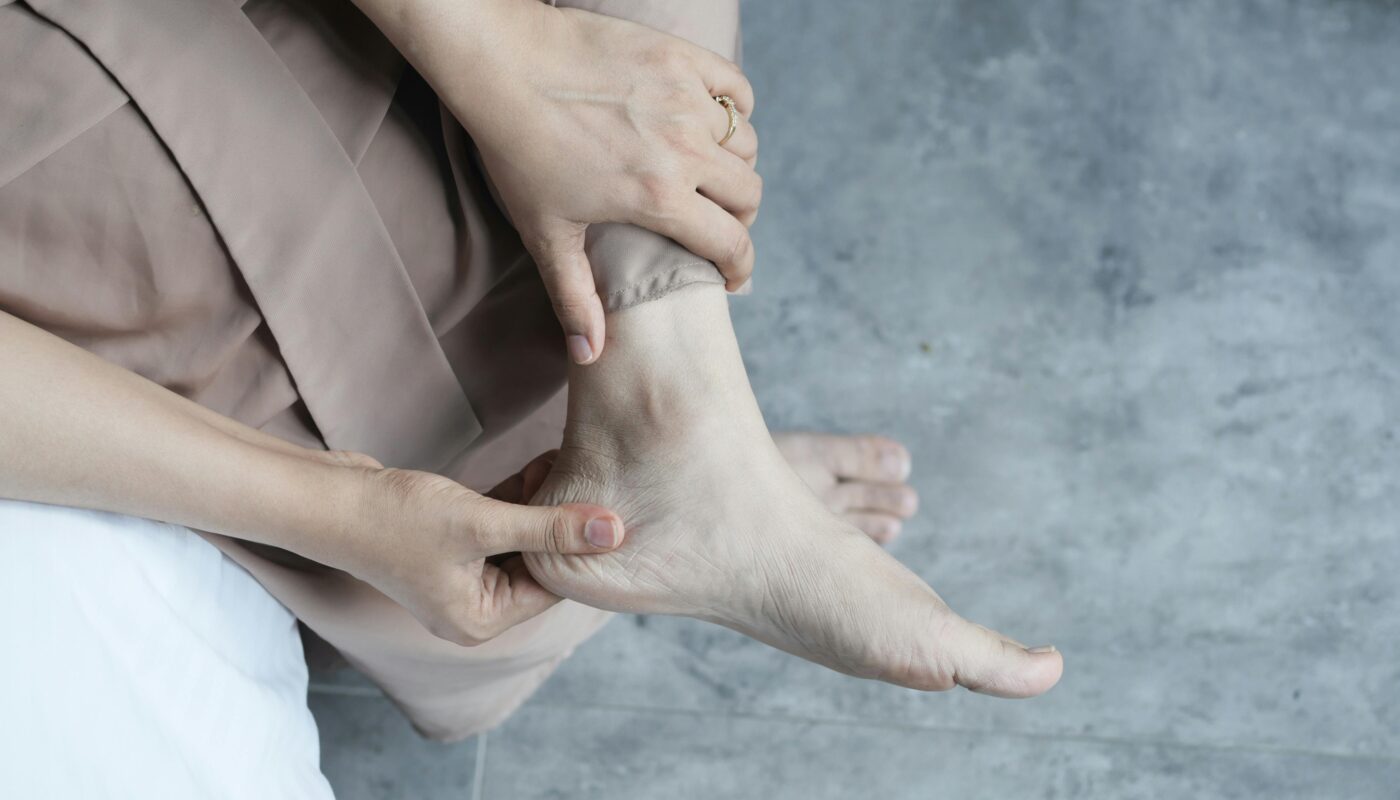
by Walking is often promoted as one of the safest, simplest, and most accessible forms of exercise. It requires no gym membership, minimal equipment, and fits easily into daily routines. Yet for millions of people, walking isn’t relief—it’s a trigger. Instead of easing stiffness or improving mobility, each step may bring discomfort, sharp pain, or a dull ache that builds over time.
If you’ve ever wondered why something as natural as walking can cause pain in your joints or muscles, you’re not alone. This experience is surprisingly common—and importantly, it’s not random. Pain during walking is usually your body’s signal that something deeper is happening, whether mechanical, inflammatory, neurological, or even vascular.
This article explores why walking triggers pain, digging into the underlying mechanisms, real-life pain patterns, risk factors, and what your body is trying to tell you. If walking hurts, the goal isn’t to avoid movement forever—it’s to understand the cause so you can move better, not less.
The Paradox of Walking: Why a “Healthy” Activity Can Hurt
Walking is a repetitive, weight-bearing activity. Every step transfers force through your feet, ankles, knees, hips, and spine. While this is normally well tolerated, it can expose weaknesses, imbalances, or underlying conditions.
In fact, walking places significant stress on joints and muscles. Research shows that joint forces during walking can reach multiple times your body weight, especially in the knees and hips. This means that even minor structural or functional issues can become amplified with each step.
At the same time, walking demands coordination:
- Muscles must contract and relax in sequence
- Joints must glide smoothly
- Nerves must communicate efficiently
- Blood flow must meet muscle demand
If any part of this system is compromised, pain can emerge.
Understanding Pain: Joint vs Muscle vs Other Sources
Before diving deeper, it’s important to distinguish between types of pain:
1. Joint Pain
- Felt deep in knees, hips, ankles, or feet
- Often stiff, aching, or grinding
- May worsen with movement or after prolonged use
Joint pain is most commonly linked to conditions like arthritis or inflammation.
2. Muscle Pain
- Feels sore, tight, or cramp-like
- Often triggered by overuse or fatigue
- May improve with rest or gentle stretching
Muscle pain is frequently caused by strain, micro-injuries, or poor conditioning.
3. Other Sources
- Nerve-related pain: burning, tingling, or shooting
- Circulatory pain: cramping during walking (e.g., poor blood flow)
- Referred pain: originating elsewhere (like the spine)
Walking can trigger any combination of these.
Core Reasons Why Walking Triggers Pain
1. Wear and Tear (Osteoarthritis and Joint Degeneration)
One of the most common reasons walking hurts is joint degeneration—especially osteoarthritis.
Over time, the cartilage that cushions joints wears down. Without this protective layer, bones rub against each other, causing pain, stiffness, and inflammation.
Walking aggravates this because:
- It increases joint compression
- It exposes uneven cartilage wear
- It stimulates inflamed joint surfaces
This explains why some people feel pain during walking, while others feel worse after.
According to medical data, osteoarthritis is among the leading causes of joint pain, especially after age 45.
2. Overuse and Repetitive Strain
Walking might seem gentle, but repetitive motion can still overload tissues.
Each step repeats the same movement pattern. Over time, this can lead to:
- Tendinitis (inflamed tendons)
- Bursitis (inflamed cushioning sacs)
- Muscle fatigue or micro-tears
These are classic repetitive strain injuries, which are a common cause of musculoskeletal pain.
Pain pattern:
- Starts mild, builds gradually
- Worse with longer walks
- Improves with rest—but returns quickly
3. Muscle Weakness and Imbalance
Walking depends heavily on muscle support—especially from:
- Glutes (hip stability)
- Quadriceps (knee control)
- Calves (push-off power)
If these muscles are weak, joints take on more load than they should.
This leads to:
- Increased joint stress
- Poor alignment
- Compensatory movement patterns
Over time, this imbalance causes pain not just in one area, but across multiple regions.
For example:
- Weak glutes → knee pain
- Weak calves → foot or Achilles pain
- Weak core → lower back pain
4. Poor Walking Mechanics (Gait Issues)
How you walk matters as much as how far you walk.
Small inefficiencies in gait—often unnoticed—can create major stress over time.
Common issues include:
- Overpronation (feet rolling inward)
- Supination (feet rolling outward)
- Uneven stride length
- Limping or favoring one side
These patterns shift load unevenly across joints and muscles, leading to pain.
Interestingly, your body may adapt to pain by changing how you walk—but this compensation can create new problems elsewhere.
5. Inflammation and Autoimmune Conditions
Some pain triggered by walking isn’t mechanical—it’s inflammatory.
Conditions like:
- Rheumatoid arthritis
- Gout
- Lupus
cause joint inflammation that worsens with movement.
Inflamed joints are sensitive to pressure and motion, so even light walking can feel painful.
Joint pain in these cases often includes:
- Swelling
- Warmth
- Morning stiffness
Inflammatory diseases are a major category of joint pain causes.
6. Previous Injuries That Never Fully Healed
Old injuries don’t always disappear—they often leave behind:
- Scar tissue
- Weakness
- Altered biomechanics
Examples:
- Ankle sprain → instability → chronic foot pain
- Knee injury → altered walking → hip or back pain
Walking exposes these lingering weaknesses.
Even if the injury happened years ago, its effects can resurface under repetitive stress.
7. Poor Blood Flow (Circulatory Issues)
Sometimes, the issue isn’t muscles or joints—it’s circulation.
A condition called peripheral artery disease (PAD) can reduce blood flow to leg muscles. During walking, muscles need more oxygen, but restricted arteries can’t supply enough.
This leads to:
- Cramping pain (especially in calves)
- Pain that improves with rest
- A feeling of heaviness or fatigue
This is a key non-joint cause of walking-related pain.
8. Nerve Compression or Irritation
Nerves play a critical role in movement and sensation.
If a nerve is compressed—such as in:
- Sciatica
- Spinal stenosis
- Herniated discs
walking can trigger:
- Shooting pain
- Burning sensations
- Tingling or numbness
This type of pain often radiates along a nerve path rather than staying localized.
9. Foot Structure and Footwear Problems
Your feet are the foundation of walking. Problems here ripple upward.
Common issues:
- Flat feet or high arches
- Plantar fasciitis
- Poor footwear
Since the foot contains dozens of joints and absorbs constant impact, even small abnormalities can cause widespread pain.
Foot joint pain is often linked to inflammation or structural stress from daily use.
10. Excess Body Weight
Walking is a weight-bearing activity, meaning your joints support your entire body weight—and more.
Extra weight increases stress on:
- Knees
- Hips
- Ankles
Even a small increase in body weight can significantly raise joint load, accelerating wear and increasing pain.
Why Pain Appears Only During or After Walking
One of the most confusing aspects of walking-related pain is when it appears.
Pain During Walking
- Indicates active stress or irritation
- Common in arthritis, PAD, or nerve issues
Pain After Walking
- Suggests inflammation or micro-damage
- Common in muscle strain or overuse
Pain That Improves While Walking (Then Returns)
- Often linked to stiffness or mild inflammation
- Movement temporarily lubricates joints
This variability is why pain can feel unpredictable—and frustrating.
The Emotional and Psychological Side of Walking Pain
Pain isn’t just physical—it affects behavior, confidence, and quality of life.
People with walking-related pain often experience:
- Fear of movement
- Reduced activity levels
- Social withdrawal
- Anxiety about worsening damage
Ironically, avoiding walking entirely can make things worse:
- Muscles weaken
- Joints stiffen
- Circulation declines
This creates a cycle where less movement leads to more pain.
When Walking Pain Is a Warning Sign
While some discomfort is manageable, certain symptoms should not be ignored:
- Severe or sudden pain
- Swelling, redness, or warmth in joints
- Inability to bear weight
- Pain accompanied by fever
- Persistent pain that worsens over time
Joint pain can sometimes signal serious underlying conditions, and medical evaluation may be necessary.
Breaking the Cycle: Why Understanding the Cause Matters
The key takeaway is simple but powerful:
Walking itself is rarely the true problem.
It’s usually exposing an underlying issue.
That means:
- Avoiding walking isn’t a long-term solution
- Identifying the cause is essential
- Treatment depends on the root problem
For example:
- Arthritis → joint protection and anti-inflammatory strategies
- Muscle weakness → strengthening exercises
- Poor gait → biomechanical correction
- Circulatory issues → medical treatment
Understanding these patterns can guide better decisions.
Conclusion: Walking Pain Is a Signal, Not a Failure
Walking should feel natural—but when it hurts, it’s not a sign of weakness. It’s a message.
Your body is telling you:
- Something is overloaded
- Something is inflamed
- Something is compensating
- Or something isn’t functioning as it should
The goal isn’t to stop walking—it’s to understand why it hurts and address the root cause.
Because when the underlying issue is treated, walking can return to what it was meant to be: simple, freeing, and pain-free.
Sources
Mayo Clinic – Joint Pain Causes; Cleveland Clinic – Joint Pain & Musculoskeletal Pain; Harvard Health – When Walking Makes Your Legs Hurt; MedlinePlus – Joint Pain Encyclopedia; MSD Manual – Musculoskeletal Pain; Healthline – Foot Joint Pain Causes