 by
by Pain is not an inevitable part of aging, yet it affects millions of older adults worldwide. From arthritis and back pain to nerve disorders and chronic health conditions, pain can significantly impact mobility, independence, sleep, mood, and overall quality of life. While effective pain management can help older adults remain active and engaged in life, treating pain in this population requires special care.
As people age, their bodies process medications differently. They are also more likely to have multiple medical conditions, take several medications simultaneously, and experience age-related changes that increase the risk of side effects. What may be a safe treatment for a younger adult may not be appropriate for someone in their seventies, eighties, or beyond.
Managing pain safely in older adults involves more than simply prescribing medications. It requires a comprehensive approach that considers physical health, emotional well-being, lifestyle factors, mobility, cognitive function, and individual goals. Modern pain management emphasizes combining medical treatments with non-drug therapies whenever possible to reduce risks while maximizing comfort and function. Research-based guidelines consistently recommend individualized, multimodal pain management strategies and careful medication monitoring in older adults.
This article explores why pain management in older adults is unique, common causes of pain, treatment options, medication safety considerations, and practical strategies for improving quality of life while minimizing risks.
Why Pain Management Is Different in Older Adults
The aging process affects nearly every system in the body. These changes can alter how pain is experienced and how treatments work.
Several factors make pain management more complex in older adults:
- Reduced kidney function
- Slower liver metabolism
- Increased sensitivity to medications
- Greater risk of medication interactions
- Higher likelihood of chronic illnesses
- Increased fall risk
- Cognitive changes
- Frailty and reduced physical reserve
As a result, healthcare providers often follow the principle of “start low and go slow” when introducing pain medications in older adults. Lower doses are typically used initially, and treatment is adjusted gradually while monitoring for effectiveness and side effects.
Common Causes of Pain in Older Adults
Pain in older adults may arise from a variety of conditions.
Osteoarthritis
Osteoarthritis is among the most common causes of chronic pain in aging populations. Years of wear and tear can lead to cartilage breakdown, causing:
- Knee pain
- Hip pain
- Hand pain
- Shoulder pain
- Spine pain
Symptoms often worsen with activity and improve with rest.
Back and Neck Pain
Degenerative changes in the spine can cause:
- Chronic lower back pain
- Neck stiffness
- Nerve compression
- Sciatica-like symptoms
Back pain is one of the leading causes of disability among older adults.
Neuropathic Pain
Nerve-related pain may result from:
- Diabetes
- Shingles
- Spinal disorders
- Peripheral neuropathy
People often describe neuropathic pain as:
- Burning
- Tingling
- Electric shocks
- Pins and needles
- Numbness
Osteoporosis and Fractures
Bone thinning increases fracture risk. Even minor falls can cause significant injuries, leading to acute and chronic pain.
Cancer-Related Pain
Many older adults live with cancer or cancer survivorship-related pain that may require specialized treatment approaches.
Circulatory Disorders
Conditions affecting blood flow may cause:
- Leg pain
- Cramping
- Heaviness
- Pain during walking
Chronic Widespread Pain
Some individuals experience pain in multiple body areas simultaneously. Chronic widespread pain can involve complex interactions between the nervous system, muscles, joints, and psychological factors.
The Importance of Proper Pain Assessment
Pain is often underrecognized in older adults.
Some individuals may:
- Believe pain is a normal part of aging
- Avoid reporting symptoms
- Fear being a burden
- Worry about medication side effects
- Have cognitive impairment that limits communication
Accurate pain assessment is the foundation of safe treatment.
Healthcare providers typically evaluate:
- Pain location
- Intensity
- Duration
- Triggers
- Functional impact
- Sleep disruption
- Emotional effects
- Previous treatments
A comprehensive geriatric pain assessment helps identify not only the pain source but also factors that may worsen symptoms or interfere with treatment.
Non-Medication Treatments: The Foundation of Safe Pain Management
Experts increasingly emphasize non-pharmacological therapies as first-line treatments whenever appropriate. These approaches often reduce reliance on medications and minimize side effects.
Physical Therapy
Physical therapy is one of the safest and most effective interventions for many chronic pain conditions.
Benefits include:
- Improved flexibility
- Increased strength
- Better balance
- Enhanced mobility
- Reduced stiffness
- Greater confidence in movement
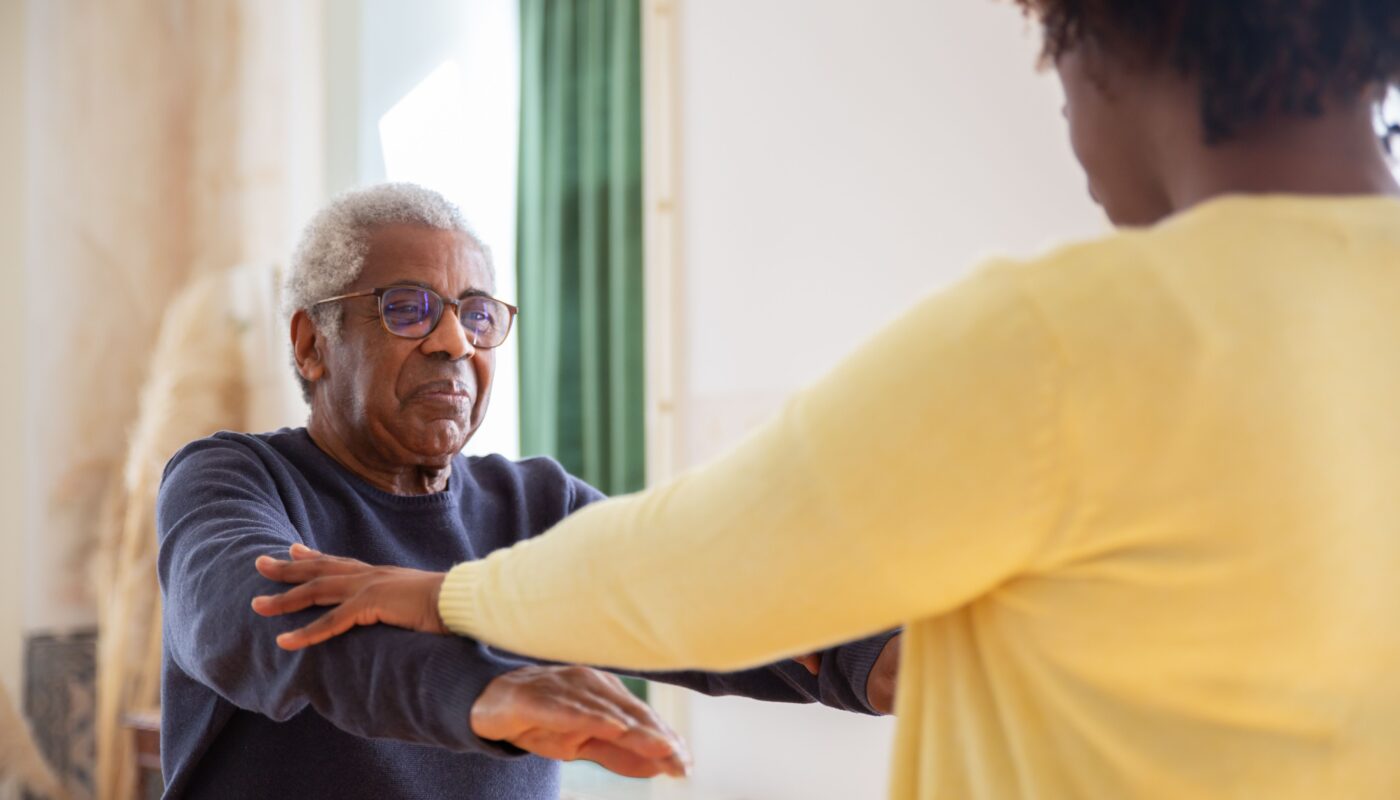
Therapists can tailor programs to individual limitations and health conditions.
Exercise
Regular physical activity remains one of the most powerful pain-management tools available.
Appropriate activities may include:
- Walking
- Swimming
- Water aerobics
- Cycling
- Tai chi
- Yoga
- Stretching exercises
Exercise helps reduce inflammation, maintain joint function, strengthen muscles, and improve mood.
Heat and Cold Therapy
Simple temperature-based treatments can provide meaningful relief.
Heat may help:
- Relax muscles
- Reduce stiffness
- Improve circulation
Cold therapy may help:
- Reduce inflammation
- Decrease swelling
- Numb painful areas
Occupational Therapy
Occupational therapists teach strategies for performing daily activities safely and comfortably.
This may include:
- Adaptive equipment
- Joint protection techniques
- Energy conservation strategies
- Home modifications
Massage Therapy
Massage can help relieve:
- Muscle tension
- Stress-related pain
- Stiffness
- Circulation problems
Acupuncture
Some older adults experience significant relief from acupuncture, particularly for musculoskeletal pain conditions.
Clinical guidelines recognize acupuncture as a potential component of comprehensive pain management.
Cognitive Behavioral Therapy
Pain affects the brain as well as the body.
Cognitive Behavioral Therapy (CBT) helps individuals:
- Manage pain-related anxiety
- Reduce fear of movement
- Improve coping skills
- Address sleep disturbances
- Reduce catastrophizing thoughts
Research shows psychological interventions can significantly improve pain outcomes, especially in chronic pain conditions.
Safe Use of Pain Medications
Although medications play an important role in pain management, they require careful consideration in older adults.
Acetaminophen (Paracetamol)
Acetaminophen is often considered a first-line medication for mild to moderate pain, particularly musculoskeletal pain.
Advantages include:
- Generally well tolerated
- Low gastrointestinal risk
- Minimal impact on blood clotting
However, exceeding recommended doses can damage the liver.
Healthcare providers must also consider body weight, liver function, and concurrent medications.
Nonsteroidal Anti-Inflammatory Drugs (NSAIDs)
Examples include:
- Ibuprofen
- Naproxen
- Diclofenac
While effective for inflammation-related pain, NSAIDs carry significant risks in older adults.
Potential complications include:
- Stomach ulcers
- Gastrointestinal bleeding
- Kidney injury
- Elevated blood pressure
- Cardiovascular risks
Because of these concerns, long-term NSAID use is often approached cautiously.
Topical Pain Relievers
Topical treatments may offer pain relief with fewer systemic side effects.
Examples include:
- Diclofenac gel
- Lidocaine patches
- Capsaicin creams
These treatments are particularly useful for localized pain.
Clinical guidelines often recommend considering topical options before oral medications when appropriate.
Opioids
Examples include:
- Morphine
- Oxycodone
- Hydrocodone
- Fentanyl
Opioids may be necessary for severe pain, especially after surgery, fractures, or cancer-related pain.
However, older adults face increased risks such as:
- Falls
- Confusion
- Drowsiness
- Constipation
- Respiratory depression
- Dependence
When opioids are prescribed, close monitoring is essential.
Guidelines generally recommend using the lowest effective dose for the shortest appropriate duration.
Medications for Nerve Pain
Neuropathic pain often responds poorly to standard painkillers.
Alternative medications may include:
- Gabapentin
- Pregabalin
- Certain antidepressants
Because these drugs can affect balance and cognition, careful dose adjustments are necessary.
Polypharmacy: A Major Safety Concern
Polypharmacy refers to taking multiple medications simultaneously.
Many older adults take medications for:
- Heart disease
- Diabetes
- High blood pressure
- Osteoporosis
- Depression
- Sleep disorders
Adding pain medications increases the possibility of drug interactions.
Potential consequences include:
- Falls
- Confusion
- Excessive sedation
- Kidney problems
- Hospitalization
Regular medication reviews are crucial for identifying unnecessary drugs and reducing risks.
Pain, Falls, and Mobility
Pain and falls are closely linked.
Pain can:
- Alter walking patterns
- Reduce balance
- Cause muscle weakness
- Increase fear of movement
At the same time, some pain medications may increase fall risk through dizziness or sedation.
Preventing falls requires a comprehensive strategy that includes:
- Exercise programs
- Balance training
- Vision correction
- Home safety modifications
- Medication reviews
- Proper footwear
Maintaining mobility often improves pain outcomes and preserves independence.
Managing Pain in Older Adults with Dementia
Pain assessment becomes more challenging when individuals cannot clearly communicate their symptoms.
Signs of pain in dementia may include:
- Facial grimacing
- Agitation
- Restlessness
- Crying
- Withdrawal
- Changes in appetite
- Sleep disturbances
Caregivers and healthcare professionals must pay close attention to behavioral changes that may indicate discomfort.
Unfortunately, pain is often undertreated in people with dementia due to communication barriers. Improved assessment techniques can help ensure appropriate treatment.
The Role of Sleep in Pain Management
Poor sleep and pain often reinforce each other.
Pain disrupts sleep, while inadequate sleep increases pain sensitivity.
Older adults may improve pain control by:
- Maintaining consistent sleep schedules
- Limiting caffeine late in the day
- Creating a comfortable sleep environment
- Treating sleep disorders
- Practicing relaxation techniques
Improved sleep frequently leads to better pain tolerance and improved daytime function.
Emotional Health and Pain
Chronic pain affects emotional well-being.
Common psychological consequences include:
- Anxiety
- Depression
- Frustration
- Loneliness
- Social withdrawal
These emotional responses can increase pain perception through changes in the nervous system.
Addressing mental health is therefore an essential component of effective pain management.
Helpful strategies include:
- Counseling
- Support groups
- Mindfulness meditation
- Cognitive Behavioral Therapy
- Social engagement
Nutrition and Pain Control
Good nutrition supports overall health and may help reduce pain-related disability.
Key nutritional considerations include:
- Adequate protein intake
- Sufficient calcium
- Vitamin D
- Hydration
- Anti-inflammatory foods
A balanced diet supports muscle strength, bone health, immune function, and recovery.
Caregiver Involvement
Family members and caregivers often play a central role in pain management.
They can help by:
- Monitoring symptoms
- Tracking medication schedules
- Encouraging exercise
- Supporting healthy sleep habits
- Observing side effects
- Communicating concerns to healthcare providers
Caregiver education improves treatment adherence and safety.
Creating an Individualized Pain Management Plan
No single treatment works for everyone.
The most effective pain-management plans typically combine multiple strategies, such as:
- Physical therapy
- Exercise
- Lifestyle modifications
- Psychological support
- Medication when needed
- Regular monitoring
Successful treatment focuses not only on reducing pain intensity but also on improving function and quality of life.
Questions that guide individualized care include:
- What activities matter most to the patient?
- What risks are acceptable?
- Which treatments have helped previously?
- What other medical conditions are present?
- What medications are already being used?
This person-centered approach aligns with modern evidence-based pain management recommendations.
When to Seek Medical Attention
Older adults should seek medical evaluation if pain:
- Appears suddenly
- Worsens rapidly
- Follows a fall or injury
- Interferes with daily activities
- Causes weakness or numbness
- Is associated with fever
- Leads to significant sleep disruption
- Causes unintended weight loss
Early assessment can identify serious underlying conditions and improve treatment outcomes.
Conclusion
Managing pain safely in older adults requires a careful balance between relief and safety. Aging brings physiological changes that affect how pain is experienced and how treatments work, making individualized care essential. While medications remain valuable tools, non-drug approaches such as exercise, physical therapy, cognitive behavioral therapy, acupuncture, and lifestyle modifications often provide substantial benefits with fewer risks.
The safest and most effective pain management plans focus on the whole person rather than simply treating symptoms. By combining thorough assessment, appropriate medication use, regular monitoring, emotional support, and functional goals, older adults can achieve meaningful pain relief while maintaining independence and quality of life.
Pain should never be dismissed as a normal consequence of aging. With thoughtful, evidence-based care, older adults can continue to lead active, fulfilling lives despite chronic pain challenges.
Sources
Evidence-based Clinical Practice Guidelines on the Management of Pain in Older People – A Summary Report; Management of Chronic Pain in Older Adults (BMJ); Guidance on the Management of Pain in Older People; Evidence-based Clinical Practice Guidelines on the Management of Pain in Older People: Executive Summary; Pain Management in Older Adults (Nursing Clinics of North America)