 by
by Standing is one of the most common human activities, yet many people underestimate how physically demanding it can be. Whether someone works in healthcare, retail, manufacturing, education, hospitality, construction, or simply spends long hours on their feet during daily activities, standing places continuous stress on the body. When standing pain develops, many individuals focus on the painful area itself—the feet, knees, hips, or lower back—without considering one of the most influential factors involved: footwear.
Shoes serve as the foundation between the body and the ground. Every step, shift in weight, and standing posture is influenced by what is worn on the feet. Poor footwear can increase pressure on joints, strain muscles, alter alignment, and contribute to persistent discomfort. Conversely, appropriate footwear can improve stability, distribute forces more evenly, and reduce pain during prolonged standing.
Understanding how footwear affects standing pain helps individuals make informed choices that support comfort, mobility, and long-term musculoskeletal health.
The Relationship Between Feet and the Rest of the Body
The human foot contains 26 bones, 33 joints, and more than 100 muscles, tendons, and ligaments. Together, these structures form a complex support system designed to absorb shock, maintain balance, and facilitate movement.
When standing, the feet carry the body’s entire weight. Any change in foot mechanics can affect the ankles, knees, hips, pelvis, and spine. This interconnected system is often referred to as the kinetic chain.
Imagine a building resting on an uneven foundation. Over time, stress develops throughout the structure. Similarly, footwear that alters natural foot function may create mechanical stress that extends far beyond the feet themselves.
As a result, standing pain may appear in locations that seem unrelated to footwear, including:
- Lower back
- Hips
- Knees
- Calves
- Ankles
- Neck
- Shoulders
Addressing footwear often becomes a critical component of managing these symptoms.
Why Standing Is Different from Walking
Many people assume that standing is easier than walking because movement is limited. Surprisingly, prolonged standing can be particularly demanding.
During walking, muscles continuously contract and relax, helping circulate blood and distribute loads across various tissues.
When standing for extended periods:
- Muscles remain active for long durations.
- Blood may pool in the lower limbs.
- Pressure accumulates on specific foot regions.
- Joint structures experience sustained loading.
- Fatigue develops gradually.
Footwear therefore plays a unique role during standing. Shoes that seem comfortable during short walks may become problematic after several hours of stationary standing.
This explains why workers often report increasing discomfort toward the end of long shifts despite feeling fine earlier in the day.
How Footwear Affects Pressure Distribution
One of the primary functions of footwear is pressure distribution.
When standing, body weight should be spread relatively evenly across the feet. Poorly designed shoes may concentrate pressure on specific areas such as:
- Heels
- Balls of the feet
- Toes
- Arch structures
Excessive localized pressure can contribute to:
- Foot soreness
- Burning sensations
- Callus formation
- Metatarsalgia
- Heel pain
- Fatigue
Supportive footwear helps distribute forces over a larger surface area, reducing stress on vulnerable tissues.
Even small improvements in pressure distribution can significantly affect comfort during long standing periods.
The Importance of Cushioning
Cushioning is often the first feature people consider when buying shoes.
Proper cushioning can:
- Absorb impact forces
- Reduce localized pressure
- Improve comfort
- Decrease fatigue
However, more cushioning is not always better.
Extremely soft shoes may create instability. When the foot sinks excessively into cushioning materials, muscles must work harder to maintain balance.
This can increase fatigue in:
- Feet
- Ankles
- Calves
- Lower legs
The ideal balance involves cushioning that absorbs pressure while maintaining sufficient support and stability.
Arch Support and Standing Pain
The arch functions as a natural shock absorber.
Foot arches vary considerably among individuals:
- Low arches
- Neutral arches
- High arches
Shoes that fail to accommodate an individual’s arch structure may contribute to standing discomfort.
Insufficient arch support can sometimes lead to:
- Plantar fascia strain
- Arch fatigue
- Heel pain
- Lower leg discomfort
Meanwhile, excessive arch support may create pressure and irritation for certain individuals.
The most comfortable solution is often one that supports the foot’s natural shape rather than forcing it into an unnatural position.
Heel Height Matters More Than Many People Realize
Heel height significantly influences body alignment.
High heels shift body weight forward, increasing pressure on:
- Forefoot structures
- Toes
- Knees
- Lower back
Over time, prolonged standing in high heels may contribute to:
- Forefoot pain
- Muscle fatigue
- Joint stress
- Postural strain
Even moderate heel elevation can alter biomechanics.
On the opposite extreme, completely flat shoes may also present challenges for some people by providing insufficient support or shock absorption.
Many experts recommend moderate heel heights that promote natural alignment while avoiding excessive loading.
Why Shoe Stability Is Critical
Stability refers to how effectively footwear controls excessive foot motion.
Standing often involves subtle weight shifts. Shoes lacking stability may permit excessive movement, forcing muscles to compensate continuously.
This compensation can lead to:
- Muscle fatigue
- Foot soreness
- Ankle discomfort
- Balance difficulties
Stable footwear typically includes:
- Firm heel counters
- Structured midsoles
- Secure fit systems
- Appropriate sole design
These features help maintain efficient alignment during prolonged standing.
The Impact of Worn-Out Shoes
Many individuals continue wearing shoes long after supportive features have deteriorated.
Even high-quality footwear gradually loses:
- Cushioning effectiveness
- Structural integrity
- Shock absorption
- Stability
Signs of shoe wear include:
- Uneven sole patterns
- Compressed cushioning
- Tilting when placed on a flat surface
- Increased foot fatigue
Pain that develops gradually may sometimes coincide with shoe deterioration rather than a new injury.
Replacing worn footwear often produces noticeable improvements in comfort.
Footwear and Plantar Fascia Stress
The plantar fascia is a thick band of tissue running along the bottom of the foot.
This structure helps support the arch and absorb forces generated during standing and walking.
Footwear lacking adequate support may increase tension on the plantar fascia, contributing to:
- Heel pain
- Arch discomfort
- Morning stiffness
- Tenderness after prolonged standing
Supportive shoes can reduce excessive strain and promote more comfortable weight distribution.
For individuals prone to plantar fascia irritation, footwear selection becomes particularly important.
The Connection Between Footwear and Knee Pain
The knees absorb substantial forces during daily activities.
Changes in foot mechanics directly influence knee alignment.
Poor footwear may contribute to:
- Altered gait patterns
- Increased joint loading
- Uneven force distribution
- Muscle imbalances
When the foot rolls excessively inward or outward, knee structures often compensate.
Over time, this may increase standing-related discomfort.
Appropriate footwear can help support more efficient lower-limb mechanics and reduce unnecessary stress on knee joints.
Lower Back Pain and Footwear
Many people are surprised to discover that shoes may influence lower back discomfort.
The spine relies on balanced support from structures below it.
Poor footwear can alter:
- Pelvic position
- Leg alignment
- Posture
- Weight distribution
These changes may increase muscular effort throughout the lower back.
Workers who spend entire shifts standing often notice improvements in back comfort after upgrading footwear, even when no direct treatment is applied to the spine itself.
Why Shoe Fit Is Essential
Even the most advanced footwear cannot provide benefits if the fit is incorrect.
Shoes that are too tight may cause:
- Toe compression
- Nerve irritation
- Pressure points
- Circulation problems
Shoes that are too loose may create:
- Friction
- Instability
- Blister formation
- Excessive muscular effort
A proper fit generally includes:
- Adequate toe room
- Secure heel placement
- Comfortable width
- Stable midfoot support
Fit should be evaluated while standing because feet often expand under body weight.
Occupational Standing and Footwear Challenges
Certain professions place extraordinary demands on the feet.
Examples include:
- Nurses
- Surgeons
- Teachers
- Retail workers
- Warehouse staff
- Factory employees
- Security personnel
- Hairdressers
These individuals may stand for eight to twelve hours daily.
In such environments, footwear becomes more than a comfort issue—it becomes a health consideration.
Occupational footwear should prioritize:
- Support
- Stability
- Cushioning
- Durability
- Proper fit
Investing in quality footwear often proves more cost-effective than managing chronic pain later.
Hard Floors Amplify Footwear Effects
Standing pain is influenced not only by shoes but also by the surfaces beneath them.
Hard flooring such as:
- Concrete
- Tile
- Stone
- Industrial flooring
provides minimal shock absorption.
On these surfaces, footwear must absorb more forces and reduce pressure transmission.
Workers standing on concrete often experience significantly greater discomfort when footwear lacks adequate cushioning and support.
This combination of hard surfaces and inadequate shoes commonly contributes to fatigue and pain.
Footwear and Circulation
Standing for long periods may affect circulation in the lower limbs.
Poor footwear can worsen these effects by:
- Restricting foot movement
- Compressing tissues
- Increasing localized pressure
Symptoms may include:
- Swelling
- Heaviness
- Tingling
- Fatigue
Comfortable footwear that allows natural movement may support healthier circulation during prolonged standing.
The Role of Insoles
Insoles can enhance footwear performance.
Depending on individual needs, insoles may:
- Improve cushioning
- Increase support
- Redistribute pressure
- Enhance comfort
However, not all insoles are appropriate for every person.
What works well for one individual may worsen symptoms for another.
Customized solutions may be beneficial for people with:
- Significant arch abnormalities
- Chronic pain
- Structural foot conditions
Professional guidance can help determine whether insoles are appropriate.
Common Footwear Mistakes That Increase Standing Pain
Many standing-related discomfort problems stem from common shoe selection mistakes.
These include:
Choosing Style Over Function
Appearance often takes priority over support.
Fashionable footwear may sacrifice stability and comfort for aesthetics.
Keeping Shoes Too Long
Supportive materials degrade over time.
Old shoes frequently provide less protection than expected.
Ignoring Foot Shape
Feet differ dramatically between individuals.
A shoe comfortable for one person may be unsuitable for another.
Purchasing Based on Short-Term Comfort Alone
Initial softness does not guarantee long-term support.
Some shoes feel comfortable briefly but become problematic during extended standing.
Wearing the Same Shoes Daily
Rotating footwear may reduce repetitive stress and allow materials to recover between uses.
Standing Pain and Foot Fatigue
Foot fatigue is often an early warning sign.
Symptoms may include:
- Aching
- Burning
- Tightness
- Heaviness
Persistent fatigue suggests tissues are working harder than necessary.
Appropriate footwear can reduce muscular workload and improve endurance.
Addressing fatigue early may help prevent progression toward more significant discomfort.
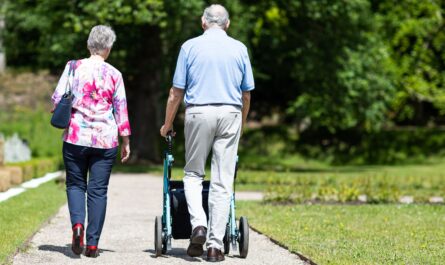
Special Considerations for Older Adults
Aging introduces changes that may increase sensitivity to footwear-related issues.
These changes include:
- Reduced cushioning under the feet
- Joint degeneration
- Muscle weakness
- Balance challenges
Supportive footwear may help maintain:
- Stability
- Confidence
- Mobility
- Comfort
Older adults experiencing standing pain should pay particular attention to shoe condition, fit, and support characteristics.
Children and Adolescents
Footwear matters throughout life, including childhood.
Developing feet require shoes that:
- Fit properly
- Allow natural movement
- Provide appropriate support
Poorly fitting footwear may contribute to discomfort during sports, school activities, and prolonged standing.
Regular reassessment is important because children’s feet grow rapidly.
When Standing Pain Suggests More Than Footwear
Although footwear is highly influential, it is not always the sole cause of pain.
Persistent standing pain may be associated with conditions such as:
- Arthritis
- Tendon disorders
- Nerve irritation
- Circulatory issues
- Stress fractures
- Plantar fasciitis
- Systemic inflammatory conditions
Medical evaluation may be appropriate when pain:
- Persists despite footwear changes
- Continues worsening
- Interferes with daily activities
- Is accompanied by swelling or numbness
- Occurs after injury
Footwear modifications can help, but underlying conditions may require additional treatment.
Practical Strategies for Reducing Standing Pain Through Footwear
Individuals seeking relief can consider several evidence-informed strategies:
- Replace worn shoes regularly.
- Choose footwear designed for prolonged standing.
- Ensure adequate toe space.
- Prioritize stability alongside cushioning.
- Consider supportive insoles when appropriate.
- Rotate between multiple pairs of shoes.
- Match footwear to workplace demands.
- Evaluate shoe fit later in the day when feet are slightly swollen.
- Replace shoes showing uneven wear patterns.
- Seek professional advice for persistent symptoms.
These simple adjustments often produce meaningful improvements in comfort.
The Psychological Impact of Standing Pain
Chronic standing discomfort affects more than physical health.
Ongoing pain may contribute to:
- Reduced productivity
- Lower activity levels
- Frustration
- Sleep disturbances
- Decreased quality of life
Individuals may begin avoiding activities they once enjoyed.
Because footwear is a modifiable factor, addressing shoe-related contributors can provide a practical and empowering step toward improved well-being.
Looking Beyond the Price Tag
Expensive shoes are not automatically superior.
The most suitable footwear is the pair that best matches an individual’s:
- Foot structure
- Occupational demands
- Activity level
- Comfort needs
Some moderately priced shoes outperform costly alternatives when properly fitted and selected for specific requirements.
Value should be measured by support, durability, comfort, and symptom reduction rather than cost alone.
Conclusion
Footwear serves as the critical interface between the body and the ground, making it one of the most influential factors in standing-related pain. The shoes people wear affect pressure distribution, posture, stability, muscle activity, joint loading, and overall comfort. Poor footwear can contribute to foot soreness, knee discomfort, hip strain, and lower back pain, while supportive and properly fitted shoes may reduce stress throughout the body.
Standing pain often develops gradually, making footwear-related causes easy to overlook. Yet small changes in shoe design, fit, support, and condition can significantly influence daily comfort. By understanding how footwear affects the kinetic chain and recognizing the importance of proper support, individuals can take practical steps toward reducing standing pain and maintaining mobility.
For many people, relief begins not with complex interventions but with examining what they wear on their feet every day.
Sources
National Institute of Arthritis and Musculoskeletal and Skin Diseases (NIAMS), American Academy of Orthopaedic Surgeons (AAOS), American Podiatric Medical Association (APMA), National Health Service (NHS), Cleveland Clinic, Mayo Clinic, Harvard Health Publishing, Johns Hopkins Medicine