 by
by Pregnancy is one of the most remarkable transformations the human body can experience. Over approximately forty weeks, every organ system adapts to support the growth and development of a new life. While these changes are extraordinary, they also place significant physical and emotional demands on the body. As a result, many women experience pain during pregnancy, ranging from mild discomfort to symptoms that interfere with daily life.
Unfortunately, pregnancy-related pain is sometimes dismissed as something women simply have to “put up with.” While some aches are indeed common, persistent or severe pain should never be ignored. Understanding why pain occurs, knowing how to support the body safely, and recognising when professional medical advice is needed can make pregnancy healthier, safer, and considerably more comfortable.
This guide explores the most common causes of pregnancy-related pain, practical strategies to manage discomfort safely, lifestyle modifications that protect the body, and situations where medical evaluation is essential. Every pregnancy is unique, and effective pain management focuses on supporting both maternal wellbeing and the healthy development of the baby.
Understanding Why Pregnancy Causes Pain
Pain during pregnancy is rarely caused by a single factor. Instead, it usually results from a combination of physical, hormonal, neurological, and biomechanical changes occurring simultaneously.
As pregnancy progresses, the uterus expands dramatically, shifting the body’s centre of gravity. This alters posture and increases stress on the lower back, hips, knees, and feet. Hormones such as relaxin soften ligaments and joints to prepare the pelvis for childbirth, but the resulting instability can also increase strain on surrounding muscles and connective tissues.
Additional contributors include:
- Rapid weight gain
- Muscle fatigue
- Stretching of abdominal tissues
- Reduced core stability
- Changes in walking mechanics
- Fluid retention
- Pressure from the growing uterus on nerves and blood vessels
These adaptations are normal, but they can create discomfort if the body struggles to compensate.
Common Types of Pregnancy-Related Pain
Lower Back Pain
Back pain affects a large proportion of pregnant women, particularly during the second and third trimesters.
Common causes include:
- Weakened abdominal muscles
- Increased lumbar curve
- Pelvic instability
- Muscle fatigue
- Ligament stretching
- Additional body weight
Pain may worsen after:
- Standing for prolonged periods
- Household chores
- Walking long distances
- Lifting objects
- Sleeping in uncomfortable positions
Fortunately, many cases improve with posture correction, gentle exercise, physiotherapy, supportive pillows, and appropriate activity modification.
Pelvic Girdle Pain
Pelvic girdle pain (PGP), sometimes referred to historically as symphysis pubis dysfunction (SPD), is another common source of discomfort during pregnancy.
Pain may occur:
- Across the pubic bone
- In the buttocks
- Around the hips
- In the groin
- Along the inner thighs
- Around the sacroiliac joints
Symptoms often worsen when:
- Climbing stairs
- Turning in bed
- Standing on one leg
- Walking
- Getting into or out of a car
Early assessment by an obstetric physiotherapist can reduce discomfort and improve mobility through targeted exercises and movement strategies.
Round Ligament Pain
As the uterus enlarges, the supporting round ligaments stretch considerably.
This commonly produces:
- Sharp pain
- Pulling sensations
- Sudden stabbing discomfort
- Brief pain during movement
Typical triggers include:
- Standing quickly
- Rolling over in bed
- Sneezing
- Coughing
- Laughing
Although alarming, round ligament pain is usually harmless and temporary.
Hip Pain
Hip pain frequently develops because changing posture places greater stress on the pelvic joints.
Contributors include:
- Sleeping on one side
- Pelvic instability
- Muscle tightness
- Sciatic irritation
- Increased joint flexibility
Proper sleeping support often provides significant relief.
Sciatic Pain
The sciatic nerve may become irritated due to altered posture, muscular tension, or increased pressure around the pelvis.
Symptoms include:
- Shooting pain
- Burning sensations
- Tingling
- Numbness
- Pain travelling into the leg
Although uncomfortable, many cases improve after delivery.
Rib Pain
As the uterus rises, pressure beneath the rib cage increases.
Women may experience:
- Aching ribs
- Tenderness
- Sharp discomfort when sitting
- Pain during deep breathing
Changing sitting position and improving posture frequently reduce symptoms.
Leg Cramps
Night-time leg cramps commonly occur during pregnancy.
Possible contributing factors include:
- Muscle fatigue
- Circulation changes
- Electrolyte imbalance
- Increased weight
Gentle stretching before bed often reduces cramping frequency.
Wrist Pain
Fluid retention may compress nerves within the wrist, producing pregnancy-related carpal tunnel syndrome.
Symptoms include:
- Tingling fingers
- Numbness
- Weak grip
- Hand discomfort
Wrist splints and activity modification often provide relief.
Why Pain Should Never Be Ignored
Many women hesitate to mention pain because they assume it is simply part of pregnancy.
However, pain deserves attention when it:
- Becomes progressively worse
- Limits daily activities
- Disturbs sleep regularly
- Causes emotional distress
- Appears suddenly
- Is accompanied by bleeding, fever, urinary symptoms, or contractions
Some serious pregnancy complications can initially present with pain, so professional assessment is important whenever symptoms seem unusual or severe.
Supporting the Body Through Daily Habits
Small lifestyle adjustments often produce surprisingly meaningful improvements.
Helpful habits include:
- Walking regularly
- Gentle stretching
- Maintaining healthy posture
- Avoiding prolonged standing
- Changing positions frequently
- Wearing supportive footwear
- Sleeping on the left side when advised
- Using pregnancy pillows
- Staying hydrated
- Eating balanced meals
- Resting when tired
Consistency matters more than intensity.
The Importance of Good Posture
As pregnancy progresses, posture naturally changes.
Common adaptations include:
- Forward head position
- Rounded shoulders
- Increased lower back curve
- Pelvic tilt
Improving posture reduces unnecessary stress on muscles and joints.
Simple reminders include:
- Keep shoulders relaxed.
- Stand evenly on both feet.
- Avoid locking knees.
- Engage deep abdominal muscles gently.
- Keep the chin level.
- Sit with good lower back support.
Safe Exercise During Pregnancy
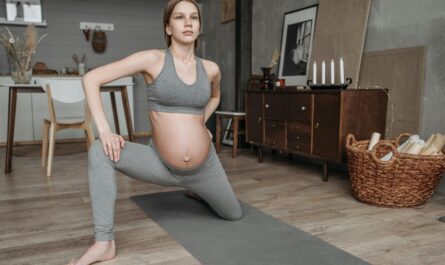
Exercise is one of the most effective methods for preventing excessive pregnancy pain when approved by a healthcare professional.
Benefits include:
- Stronger muscles
- Better circulation
- Improved flexibility
- Better balance
- Reduced stiffness
- Less back pain
- Improved mood
- Better sleep
Common safe activities include:
- Walking
- Swimming
- Prenatal yoga
- Stationary cycling
- Water exercise
- Pregnancy-specific strengthening
Exercises should always remain comfortable rather than exhausting. Stop and seek advice if exercise causes pain, dizziness, bleeding, or contractions.
Supporting Sleep
Sleep becomes increasingly difficult during later pregnancy.
Pain frequently interrupts rest, creating a cycle where poor sleep increases pain sensitivity.
Helpful strategies include:
- Using pillows between the knees
- Supporting the abdomen with a pillow
- Sleeping on a supportive mattress
- Maintaining regular sleep times
- Gentle stretching before bed
- Avoiding large meals immediately before sleeping
Heat Therapy
Warmth often eases muscular discomfort.
Safe options include:
- Warm showers
- Warm baths (avoiding excessively hot water)
- Warm compresses
- Low-temperature heating pads used carefully
Very high temperatures, hot tubs, and saunas should generally be avoided during pregnancy.
Massage Therapy
Prenatal massage performed by appropriately trained practitioners may reduce:
- Muscle tightness
- Neck pain
- Shoulder pain
- Lower back pain
- Stress
Partners can also provide gentle massage at home after receiving guidance.
Pregnancy Support Belts
Support belts can reduce strain by helping support the growing abdomen and improving weight distribution. They may be particularly helpful for women with back pain or pelvic girdle pain when properly fitted, although they should complement rather than replace strengthening and movement advice from healthcare professionals.
Nutrition and Pain
Good nutrition supports healthy muscles, bones, and connective tissues.
Important nutrients include:
- Calcium
- Vitamin D
- Magnesium
- Protein
- Iron
- Omega-3 fatty acids
Remaining well hydrated also helps reduce fatigue and muscle cramps.
Emotional Health and Pain
Pain is not only physical.
Persistent discomfort may contribute to:
- Anxiety
- Frustration
- Irritability
- Poor sleep
- Reduced confidence
- Feelings of isolation
Likewise, emotional stress can heighten pain perception. Seeking support from family, friends, midwives, or mental health professionals can be an important part of comprehensive care.
Working During Pregnancy
Women who continue working may benefit from ergonomic adjustments.
Helpful modifications include:
- Adjustable chairs
- Footrests
- Frequent walking breaks
- Proper desk height
- Reduced heavy lifting
- Flexible schedules where possible
Employers can often make reasonable adjustments to improve comfort.
Caring for Older Children
Looking after toddlers while pregnant can place additional strain on the back and pelvis.
Whenever possible:
- Avoid lifting unnecessarily.
- Encourage children to climb independently.
- Sit instead of bending repeatedly.
- Use proper lifting techniques.
Pain Relief Medications
Medication decisions during pregnancy should always involve a healthcare professional.
Some medicines considered safe outside pregnancy may pose risks during pregnancy. For example, NSAIDs such as ibuprofen are generally avoided after 20 weeks unless specifically advised by a clinician, while paracetamol may be appropriate in some circumstances after professional guidance. Never start, stop, or change medication without discussing it with your maternity care provider.
When Physiotherapy Can Help
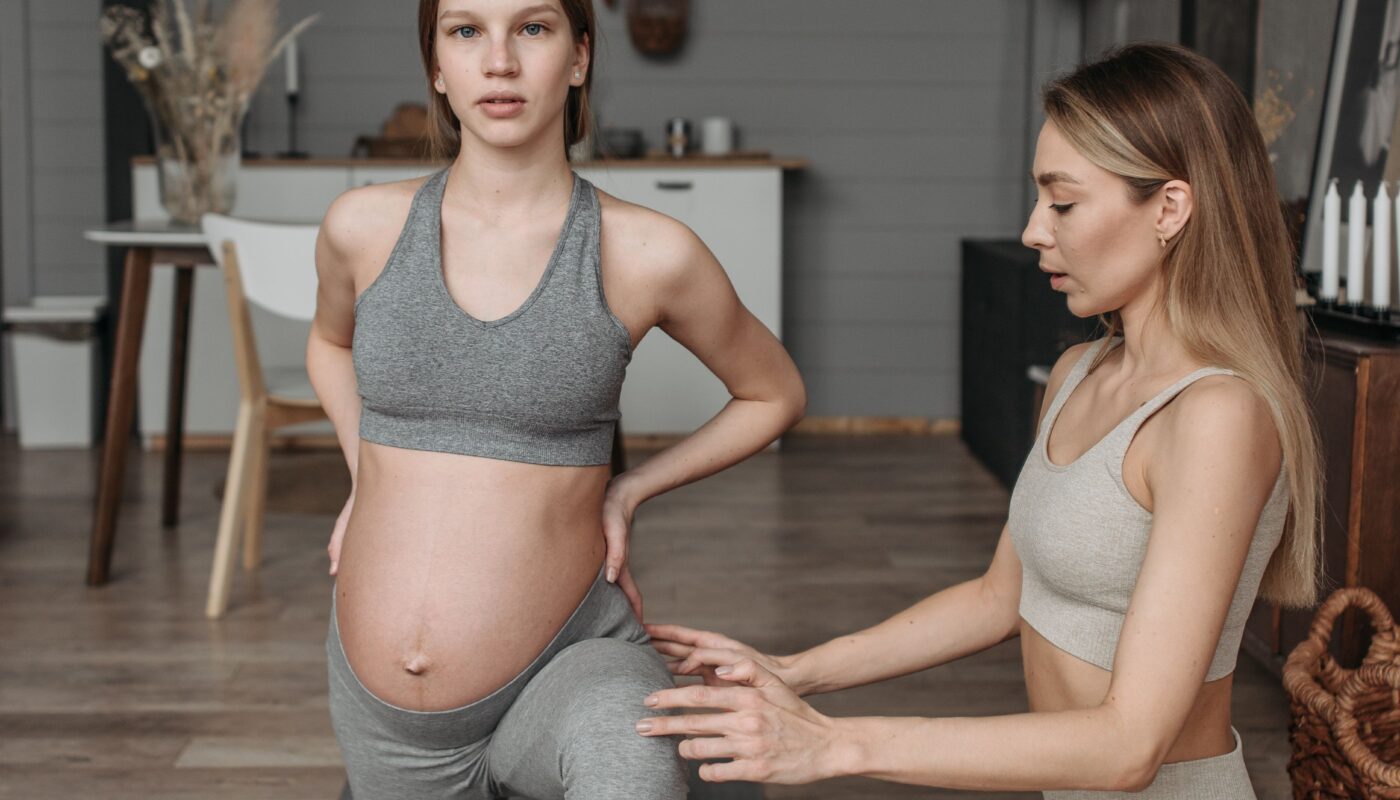
Specialist physiotherapists provide valuable guidance for pregnancy-related pain.
Treatment may include:
- Movement assessment
- Strengthening exercises
- Stretching programmes
- Pelvic stability training
- Manual therapy
- Walking advice
- Daily activity modification
Early intervention often prevents symptoms from worsening.
Red Flags That Need Medical Attention
Contact your healthcare provider promptly if pain is:
- Severe or sudden
- Associated with vaginal bleeding
- Accompanied by leaking fluid
- Associated with fever
- Linked to painful urination
- Associated with persistent contractions
- Accompanied by reduced fetal movement (later pregnancy)
- Associated with severe headache or vision changes
- Causing inability to walk
These symptoms may indicate conditions requiring urgent evaluation.
Recovery After Birth
For many women, pregnancy-related pain gradually improves after delivery as hormones normalise and body mechanics recover. However, recovery is not always immediate.
Continuing rehabilitation after childbirth may involve:
- Pelvic floor exercises
- Gentle core strengthening
- Progressive walking
- Postnatal physiotherapy
- Safe lifting techniques
- Gradual return to exercise
Persistent pain beyond the postpartum period should be assessed rather than accepted as normal.
Final Thoughts
Pregnancy-related pain is common, but it should never be dismissed or endured in silence. Understanding the causes of discomfort, making thoughtful lifestyle adjustments, seeking timely professional advice, and using evidence-based strategies can greatly improve comfort throughout pregnancy.
Every pregnant body adapts differently. Some women experience only occasional aches, while others face significant physical challenges. Neither experience is a measure of strength or resilience. By listening to the body’s signals, maintaining open communication with healthcare professionals, and addressing pain early, expectant mothers can better support their physical health while preparing for childbirth and recovery.
Supporting the body through pregnancy-related pain is not simply about reducing discomfort—it is about protecting mobility, promoting confidence, improving emotional wellbeing, and helping mothers enjoy this unique stage of life with greater comfort and safety.
Sources
NHS – Back Pain in Pregnancy; NHS – Pelvic Pain in Pregnancy (Pregnancy-Related Pelvic Girdle Pain); American College of Obstetricians and Gynecologists (ACOG) – Back Pain During Pregnancy.