 by
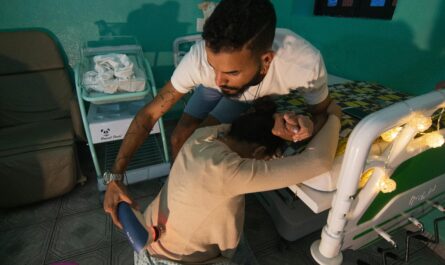
by As people grow older, pain often becomes an increasingly common part of daily life. Many older adults experience discomfort due to age-related changes in muscles, joints, bones, nerves, or chronic health conditions. However, one of the biggest misconceptions surrounding ageing is that pain is simply “normal” and must be endured. While minor aches may occur as the body changes over time, persistent, worsening, or severe pain should never be dismissed as an inevitable consequence of getting older. In many cases, pain is the body’s way of signalling that something requires medical attention.
Pain in older adults deserves careful evaluation because it often presents differently than it does in younger individuals. Some seniors may underreport pain because they fear losing their independence, becoming a burden to loved ones, or being told that nothing can be done. Others may have cognitive impairment, hearing difficulties, or communication challenges that make describing pain more difficult. These factors can delay diagnosis and treatment, allowing manageable conditions to become more serious.
Understanding when geriatric pain requires medical support helps older adults, caregivers, and family members recognise warning signs early. Timely medical care can reduce suffering, improve mobility, preserve independence, and prevent complications that may significantly affect quality of life.
Understanding Pain in Older Adults
Pain is an unpleasant sensory and emotional experience associated with actual or potential tissue damage. In older adults, pain can arise from many different sources, including:
- Osteoarthritis
- Degenerative spine disease
- Osteoporosis
- Nerve disorders
- Peripheral neuropathy
- Previous injuries
- Cancer
- Circulatory disorders
- Autoimmune diseases
- Chronic inflammatory conditions
Ageing itself changes how the body processes pain. Some older adults become more sensitive to painful stimuli, while others experience reduced pain perception, potentially masking serious illnesses. Changes in the nervous system, reduced muscle strength, slower healing, and multiple chronic illnesses all contribute to complex pain experiences.
Pain also rarely exists in isolation. It often affects sleep, mood, mobility, nutrition, and social engagement, creating a cycle that further worsens overall health.
Why Pain Should Never Be Ignored
Ignoring pain can have significant consequences for older adults. Untreated pain may gradually reduce physical activity, leading to muscle weakness, poor balance, increased fall risk, and loss of independence.
Persistent pain may also contribute to:
- Depression
- Anxiety
- Social isolation
- Poor appetite
- Sleep disturbances
- Cognitive decline
- Increased frailty
- Reduced immune function
Many seniors avoid movement because they fear worsening their pain. Unfortunately, inactivity often causes joints to stiffen and muscles to weaken, making pain even more severe over time.
Medical support aims not only to reduce pain but also to restore function, confidence, and participation in everyday activities.
Common Causes of Geriatric Pain
Osteoarthritis
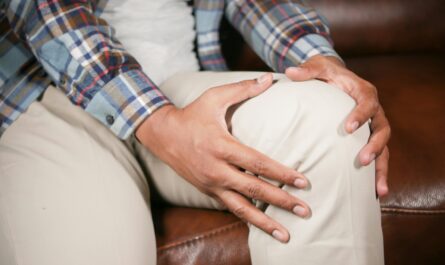
Osteoarthritis remains one of the most common causes of chronic pain in older adults. Years of joint wear gradually damage cartilage, leading to stiffness, swelling, and discomfort.
Commonly affected joints include:
- Knees
- Hips
- Hands
- Spine
- Shoulders
Symptoms often worsen after activity or prolonged inactivity.
Osteoporosis and Compression Fractures
Fragile bones increase fracture risk, sometimes after only minor trauma. Vertebral compression fractures may cause sudden severe back pain, height loss, or changes in posture.
These fractures often go undiagnosed because symptoms are mistaken for ordinary back pain.
Degenerative Spine Conditions
Age-related degeneration of spinal discs and joints can compress nerves, causing:
- Back pain
- Neck pain
- Sciatica
- Leg weakness
- Tingling
- Difficulty walking
Medical evaluation helps determine whether conservative treatment or specialised intervention is appropriate.
Peripheral Neuropathy
Nerve damage frequently affects older adults, especially those with diabetes.
Symptoms include:
- Burning sensations
- Electric shock-like pain
- Numbness
- Tingling
- Reduced balance
- Foot discomfort
Because neuropathy reduces sensation, injuries may go unnoticed until they become infected.
Vascular Disease
Poor circulation may cause painful legs during walking, cold feet, slow wound healing, or skin colour changes.
Pain caused by reduced blood flow requires prompt evaluation because untreated vascular disease may lead to serious complications.
When Pain Requires Immediate Medical Support
Certain symptoms indicate that medical attention should not be delayed.
Sudden Severe Pain
Pain that appears suddenly without explanation may indicate:
- Fractures
- Heart problems
- Blood vessel disorders
- Acute abdominal disease
- Kidney stones
Rapid evaluation helps identify potentially life-threatening conditions.
Pain After a Fall
Even seemingly minor falls deserve medical assessment in older adults.
Older bones fracture more easily, and some fractures produce surprisingly little initial discomfort.
Medical evaluation becomes especially important if the individual experiences:
- Difficulty standing
- Swelling
- Bruising
- Inability to bear weight
- Persistent pain
Chest Pain
Chest discomfort should always be treated as a medical emergency.
Older adults sometimes experience heart attacks with unusual symptoms such as:
- Jaw pain
- Shoulder pain
- Upper back discomfort
- Fatigue
- Nausea
- Shortness of breath
Classic crushing chest pain may not always occur.
Severe Abdominal Pain
Abdominal pain accompanied by vomiting, fever, bloating, constipation, or bleeding requires urgent medical evaluation.
Potential causes include:
- Gallbladder disease
- Bowel obstruction
- Diverticulitis
- Appendicitis
- Gastrointestinal bleeding
Chronic Pain That Should Be Evaluated
Not all medical concerns develop suddenly.
Pain lasting longer than several weeks deserves professional assessment, especially when it interferes with:
- Walking
- Dressing
- Bathing
- Sleeping
- Eating
- Household activities
Early treatment often prevents worsening disability.
Pain That Interferes With Sleep
Sleep and pain strongly influence one another.
Pain that repeatedly wakes someone at night or prevents falling asleep should not be ignored.
Poor sleep increases pain sensitivity, while untreated pain further disrupts sleep, creating a harmful cycle that affects physical and mental health.
Medical providers may recommend:
- Physical therapy
- Medication adjustments
- Sleep hygiene improvements
- Treatment of underlying conditions
Pain Accompanied by Weight Loss
Unintentional weight loss together with persistent pain deserves prompt investigation.
Possible underlying causes include:
- Cancer
- Chronic infection
- Digestive disorders
- Endocrine disease
- Depression
Early diagnosis significantly improves treatment options.
Increasing Pain Despite Home Care
Many people initially manage discomfort using:
- Heat therapy
- Gentle exercise
- Rest
- Over-the-counter medication
However, medical support becomes necessary if pain continues worsening despite these measures.
Persistent progression often suggests that the underlying condition requires further evaluation.
Pain Associated With Weakness
Pain combined with weakness may indicate problems affecting:
- Muscles
- Nerves
- The spinal cord
- Blood circulation
Difficulty lifting objects, climbing stairs, or standing from a chair warrants medical assessment.
Changes in Walking Ability
Walking problems should never be dismissed as simply “getting old.”
Pain that changes walking patterns increases fall risk considerably.
Medical assessment may identify:
- Hip arthritis
- Knee degeneration
- Spinal stenosis
- Neurological disorders
- Balance disorders
- Foot deformities
Early intervention often improves mobility and independence.
Pain With Swelling or Redness
Inflammation may indicate:
- Infection
- Gout
- Arthritis flare
- Blood clots
- Joint injury
Red, hot, swollen joints require timely evaluation because infections inside joints can rapidly damage tissues if left untreated.
Emotional Effects of Persistent Pain
Chronic pain frequently affects emotional well-being.
Older adults living with ongoing discomfort may experience:
- Frustration
- Irritability
- Anxiety
- Depression
- Loneliness
- Reduced confidence
These emotional changes can become as disabling as the pain itself. Healthcare providers increasingly recognise the importance of treating both the physical and psychological aspects of pain through a comprehensive care plan.
Challenges in Assessing Pain in Older Adults
Pain assessment in older adults is often more complex than in younger people. While many seniors can clearly describe their symptoms, others may have difficulty explaining where the pain is located, how severe it feels, or when it began. Hearing impairment, vision loss, memory problems, and cognitive conditions such as dementia can make communication more challenging.
Healthcare professionals use a combination of medical history, physical examination, imaging tests, laboratory investigations, and pain assessment tools to understand the nature of an older person’s discomfort. Family members and caregivers also play an important role by observing changes in behaviour, movement, appetite, and mood that may indicate pain.
Rather than relying on a single symptom, clinicians evaluate the entire clinical picture to identify underlying causes and determine the safest treatment options.
Pain in Older Adults with Dementia
Pain is frequently under-recognised in people living with dementia because they may not be able to communicate discomfort effectively. Instead of saying they are in pain, they may express distress through behavioural changes.
Possible signs include:
- Increased confusion
- Agitation
- Restlessness
- Repeated calling out
- Facial grimacing
- Guarding a body part
- Refusal to move
- Withdrawal from social activities
- Changes in appetite
- Sleep disturbances
- Aggressive behaviour that is unusual for them
Caregivers should never assume these behaviours are simply part of dementia. Medical evaluation is important to determine whether untreated pain is contributing to these changes.
Conditions That Are Commonly Missed
Several medical conditions affecting older adults may initially present with pain that seems minor or unrelated to the actual problem.
Polymyalgia Rheumatica
This inflammatory condition usually affects people over the age of 50 and commonly causes:
- Pain in the shoulders
- Hip stiffness
- Neck discomfort
- Difficulty getting out of bed
- Morning stiffness lasting more than 45 minutes
Fortunately, it often responds well to appropriate medical treatment once diagnosed.
Temporal Arteritis
Pain around the temples accompanied by headache, scalp tenderness, jaw pain while chewing, or changes in vision requires immediate medical attention.
Untreated temporal arteritis can lead to permanent vision loss, making early diagnosis critical.
Spinal Stenosis
Age-related narrowing of the spinal canal may compress nerves, producing symptoms such as:
- Leg pain while walking
- Numbness
- Tingling
- Weakness
- Relief when leaning forward or sitting down
Many older adults mistakenly believe these symptoms are simply due to ageing rather than a treatable spinal condition.
Shingles
Shingles becomes more common with advancing age. Pain often begins several days before the typical rash appears, making diagnosis difficult during the early stages.
Symptoms may include:
- Burning pain
- Tingling
- Sensitivity to touch
- A blistering rash affecting one side of the body
Prompt antiviral treatment may reduce complications and shorten the illness.
Comprehensive Medical Evaluation
When an older adult seeks medical care for persistent pain, healthcare providers usually perform a thorough assessment that considers multiple aspects of health.
This may include:
- Detailed medical history
- Medication review
- Physical examination
- Assessment of walking and balance
- Joint examination
- Neurological evaluation
- Blood tests
- X-rays
- Ultrasound
- CT scan or MRI when appropriate
- Bone density testing
- Functional assessment
Understanding how pain affects daily activities is just as important as identifying its physical cause.
Why Medication Review Is Essential
Many older adults take several medications to manage chronic conditions. This increases the possibility of drug interactions and medication-related side effects.
Some medicines themselves may contribute to pain, muscle weakness, dizziness, or falls.
Healthcare professionals regularly review medications to determine:
- Whether current pain medicines remain appropriate
- Whether doses should be adjusted
- Whether certain medicines can be safely reduced
- Whether safer alternatives exist
Avoiding unnecessary medications reduces the risk of complications while improving overall health.
Safe Pain Medication in Older Adults
Pain medication should always be individualised.
Several factors influence treatment decisions, including:
- Kidney function
- Liver function
- Heart disease
- Previous stomach ulcers
- Risk of falls
- Cognitive impairment
- Other medications
Doctors often begin with the lowest effective dose and monitor closely for side effects.
Possible medication options may include:
- Paracetamol for mild musculoskeletal pain
- Topical anti-inflammatory gels
- Prescription anti-inflammatory medications when appropriate
- Certain nerve pain medications
- Carefully monitored opioid therapy for selected patients
- Corticosteroid injections for some joint conditions
Regular follow-up ensures treatment remains both effective and safe.
Risks of Self-Medicating
Many older adults purchase over-the-counter painkillers without discussing them with their healthcare provider.
Although these medicines are easily available, they are not risk-free.
Excessive or inappropriate use may lead to:
- Stomach bleeding
- Kidney damage
- Liver injury
- Increased blood pressure
- Drug interactions
- Falls caused by dizziness
Even herbal supplements can interact with prescription medicines, making professional guidance important.
The Role of Physical Therapy
Physical therapy remains one of the most valuable treatments for many forms of geriatric pain.
Rather than encouraging complete rest, therapists focus on improving movement while protecting vulnerable joints and muscles.
Treatment plans may include:
- Strengthening exercises
- Stretching routines
- Balance training
- Walking programmes
- Posture correction
- Joint protection techniques
- Mobility aids when necessary
Improved muscle strength often reduces pain by decreasing stress on joints and supporting better movement.
Benefits of Regular Physical Activity
Many older adults worry that exercise will worsen pain. In reality, appropriately designed activity programmes often reduce discomfort over time.
Benefits include:
- Improved flexibility
- Better circulation
- Increased muscle strength
- Enhanced joint stability
- Weight management
- Better sleep
- Improved mood
- Reduced stiffness
- Greater confidence in daily activities
Activities commonly recommended include:
- Walking
- Water-based exercise
- Tai Chi
- Gentle yoga
- Stationary cycling
- Resistance training using light weights or elastic bands
Exercise programmes should always be tailored to an individual’s medical condition and physical abilities.
Nutrition and Pain Management
Good nutrition supports healing, maintains muscle mass, and promotes bone health.
Older adults experiencing chronic pain should aim to consume a balanced diet rich in:
- Lean proteins
- Fresh vegetables
- Fruits
- Whole grains
- Healthy fats
- Calcium-rich foods
- Vitamin D sources
Adequate hydration is equally important, as dehydration may worsen fatigue, muscle cramps, and overall wellbeing.
Individuals with poor appetite or unintentional weight loss should seek nutritional assessment, as deficiencies may contribute to weakness and delayed recovery.
Assistive Devices Can Reduce Pain
Using assistive devices is not a sign of losing independence. Instead, these tools often help older adults remain active while reducing strain on painful joints.
Examples include:
- Walking sticks
- Canes
- Walkers
- Raised toilet seats
- Grab rails
- Supportive footwear
- Orthotic shoe inserts
- Reaching aids
A healthcare professional or occupational therapist can recommend the most appropriate equipment based on individual needs.
Preventing Falls Through Pain Management
Pain frequently changes the way older adults move, increasing the likelihood of trips and falls. Effective pain management therefore plays an important role in fall prevention.
Additional strategies include:
- Removing loose rugs and clutter
- Ensuring adequate lighting throughout the home
- Installing handrails on stairs
- Wearing well-fitting, non-slip shoes
- Having regular vision and hearing checks
- Reviewing medications that may cause dizziness
- Practising balance and strengthening exercises
Preventing falls helps avoid fractures, hospital admissions, and long-term disability.
Supporting Emotional Well-Being
Living with persistent pain can affect every aspect of life, from physical activity to relationships and emotional health. Older adults may become discouraged if pain limits hobbies, social events, or independence.
Supportive care should address emotional as well as physical needs. Counselling, support groups, relaxation techniques, mindfulness, and cognitive behavioural therapy may help individuals develop healthier coping strategies and reduce the emotional burden of chronic pain.
Family members can also make a significant difference by listening with empathy, encouraging safe activity, and helping older loved ones remain socially connected rather than isolated.
Working with a Multidisciplinary Team
Many older adults benefit from care provided by a multidisciplinary team. Depending on the cause of the pain, this team may include:
- Primary care physicians
- Geriatricians
- Pain specialists
- Physiotherapists
- Occupational therapists
- Pharmacists
- Rheumatologists
- Orthopaedic specialists
- Neurologists
- Dietitians
- Mental health professionals
Working together, these healthcare providers create a personalised treatment plan that focuses not only on relieving pain but also on preserving independence, improving mobility, and enhancing overall quality of life.
When Referral to a Specialist Is Necessary
While many causes of pain in older adults can be managed by a primary care physician or geriatrician, some situations require evaluation by a specialist. Referral is often recommended when the diagnosis is uncertain, pain persists despite treatment, or symptoms suggest a more complex underlying condition.
A specialist may provide advanced diagnostic testing, targeted therapies, or procedures that are not available in general practice.
Examples include:
- Rheumatologist: For inflammatory arthritis, autoimmune diseases, and unexplained joint pain.
- Orthopaedic surgeon: For severe joint degeneration, fractures, or conditions that may benefit from surgery.
- Neurologist: For nerve-related pain, neuropathy, movement disorders, or unexplained weakness.
- Pain management specialist: For chronic pain that has not responded to standard treatments.
- Oncologist: If pain may be related to cancer or its treatment.
- Vascular specialist: For pain caused by poor blood circulation.
- Physiatrist (rehabilitation physician): For restoring mobility and function after injury or illness.
Seeking specialist care does not necessarily mean surgery or invasive treatment. In many cases, it provides access to more comprehensive pain management options.
Red Flag Symptoms That Need Urgent Medical Attention
Certain symptoms should never be ignored because they may indicate a medical emergency.
Seek immediate medical care if an older adult experiences:
- Sudden chest pain or pressure
- Severe shortness of breath
- Sudden weakness on one side of the body
- Difficulty speaking
- Sudden confusion
- Loss of consciousness
- Severe headache unlike previous headaches
- High fever with severe pain
- Sudden inability to walk
- New loss of bladder or bowel control with back pain
- Severe abdominal pain
- Persistent vomiting
- Heavy bleeding
- A painful limb that becomes cold, pale, or blue
- Pain after a significant fall, especially if movement is difficult
Prompt treatment in these situations can be life-saving and may prevent permanent disability.
Long-Term Pain Management Strategies
For many older adults, pain management is an ongoing process rather than a one-time treatment. The goal is not always complete elimination of pain but improving function, independence, and quality of life.
A successful long-term plan often combines several approaches:
- Regular medical follow-up
- Appropriate medications
- Physical therapy
- Exercise programmes
- Weight management
- Healthy nutrition
- Good sleep habits
- Emotional support
- Management of underlying medical conditions
- Education about pain
Treatment plans should be reviewed regularly because medical needs often change over time.
Setting Realistic Goals
Older adults sometimes become discouraged if pain does not disappear completely. However, successful treatment is often measured by improvements in daily living rather than pain scores alone.
Realistic goals may include:
- Walking farther with less discomfort
- Sleeping through the night
- Climbing stairs more easily
- Participating in family activities
- Returning to hobbies
- Reducing reliance on pain medication
- Preventing falls
- Maintaining independence
Celebrating small improvements helps maintain motivation throughout the recovery process.
The Importance of Communication
Open communication between older adults, caregivers, and healthcare providers is essential.
Patients should report:
- When pain began
- Where it is located
- What makes it better or worse
- Whether it affects sleep
- Changes in walking
- Medication side effects
- Emotional changes
- Any new symptoms
Keeping a simple pain diary can help identify patterns and evaluate whether treatments are working.
Supporting Family Caregivers
Family caregivers often play a central role in recognising pain, arranging medical appointments, administering medications, and encouraging healthy routines.
Caregivers can help by:
- Observing changes in behaviour or mobility
- Encouraging adherence to treatment plans
- Assisting with exercises when appropriate
- Promoting balanced nutrition
- Helping prevent falls at home
- Monitoring medication schedules
- Attending medical appointments
- Providing emotional reassurance
Caregiving can also be physically and emotionally demanding. Caregivers should remember to seek support, take breaks, and attend to their own health to avoid burnout.
Creating a Safer Home Environment
A well-designed home can reduce pain and make everyday activities easier.
Helpful modifications include:
- Installing grab bars in bathrooms
- Using non-slip mats
- Improving lighting
- Removing loose rugs and electrical cords
- Keeping frequently used items within easy reach
- Using chairs with supportive armrests
- Choosing mattresses that provide adequate support
- Wearing supportive footwear indoors and outdoors
Occupational therapists can assess the home and recommend personalised adaptations.
Preventing Future Pain Problems
Although not every condition can be prevented, healthy lifestyle habits can reduce the risk of many painful disorders.
Preventive measures include:
- Staying physically active
- Maintaining a healthy weight
- Avoiding smoking
- Limiting alcohol consumption
- Eating a nutrient-rich diet
- Getting enough calcium and vitamin D
- Managing diabetes effectively
- Controlling blood pressure and cholesterol
- Having regular vision and hearing examinations
- Receiving recommended vaccinations
- Scheduling routine medical check-ups
Preventive healthcare allows many conditions to be identified before they become severe.
Conclusion
Pain in older adults should never be dismissed as an unavoidable consequence of ageing. Whether it develops gradually or appears suddenly, pain is an important signal that deserves careful attention. Early medical evaluation can identify treatable conditions, reduce unnecessary suffering, and prevent complications that may threaten mobility, independence, and overall well-being.
A comprehensive approach to geriatric pain management considers not only the physical source of pain but also its emotional, social, and functional effects. Combining accurate diagnosis, personalised medical care, rehabilitation, healthy lifestyle habits, and family support allows many older adults to continue living active and fulfilling lives.
Older adults, caregivers, and healthcare professionals all share responsibility for recognising pain early, encouraging timely medical assessment, and working together to create treatment plans that improve comfort and preserve quality of life. With compassionate care and evidence-based management, many seniors can successfully manage pain and maintain independence for years to come.
Sources
International Association for the Study of Pain (IASP) – Pain in Older Persons; World Health Organization (WHO) – Integrated Care for Older People (ICOPE); American Geriatrics Society – Pharmacological Management of Persistent Pain in Older Persons; National Institute on Aging – Chronic Pain and Older Adults; Centers for Disease Control and Prevention (CDC) – Healthy Aging; British Geriatrics Society – Guidance on the Assessment and Management of Pain in Older People; National Institute for Health and Care Excellence (NICE) – Chronic Pain Guidelines; Arthritis Foundation – Managing Arthritis Pain.