 by
by Introduction
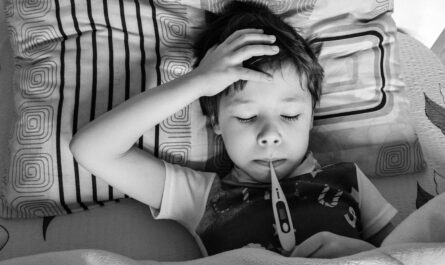
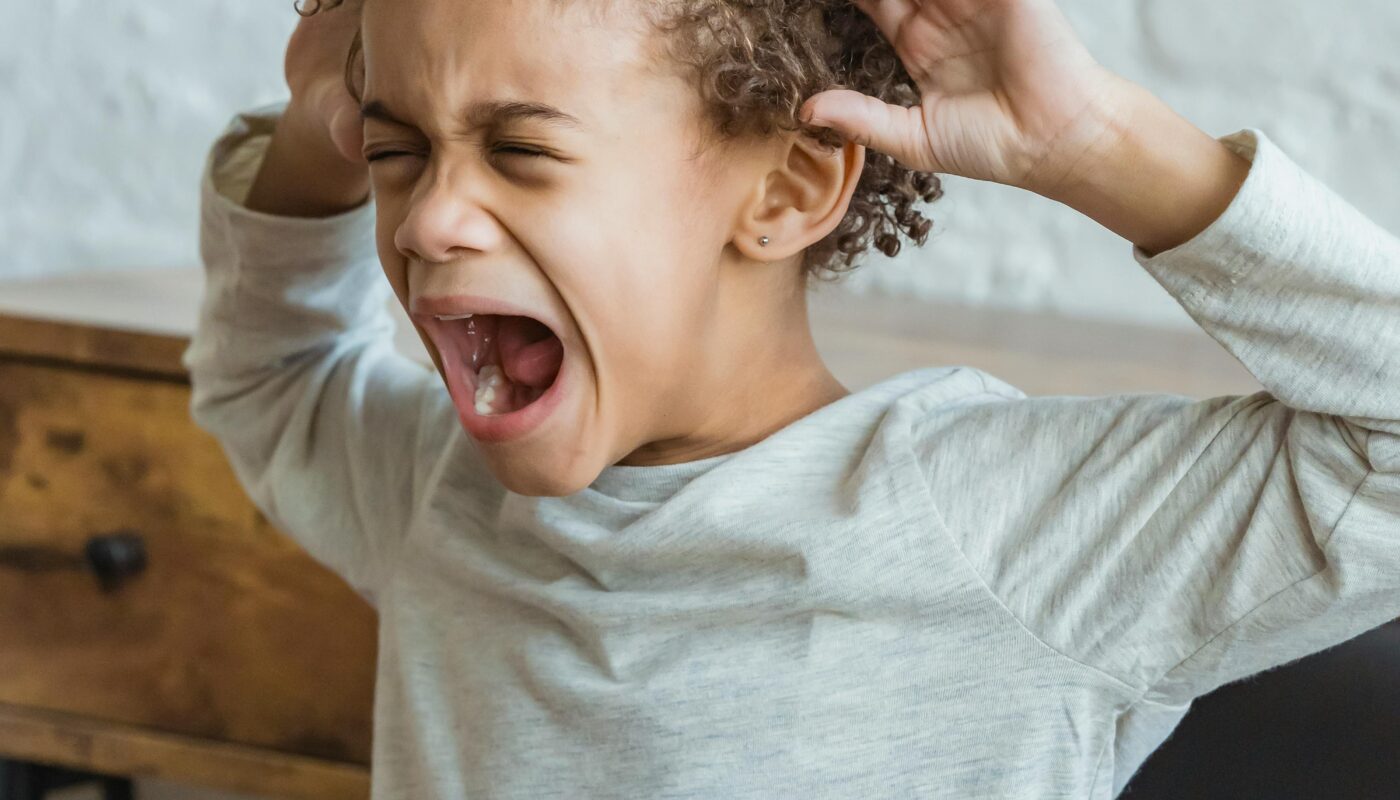
When adults think about childhood, they often imagine carefree days filled with learning, play, and discovery. Yet many children experience significant emotional stress and anxiety that can affect their bodies in surprising ways. One of the most overlooked consequences of emotional distress in children is physical pain.
Parents are often puzzled when a child repeatedly complains of headaches, stomachaches, leg pain, chest discomfort, or generalized body aches despite medical examinations showing no obvious physical illness. This situation can be frustrating for families and healthcare providers alike. However, modern research has demonstrated that stress and anxiety can create very real physical symptoms, including pain, even in otherwise healthy children.
Importantly, the pain is not imaginary. Children are not “making it up” or seeking attention. Instead, the brain and body are responding to emotional challenges through biological pathways that influence the nervous system, muscles, digestive tract, immune system, and pain-processing centers.
Understanding how stress and anxiety contribute to pain can help parents recognize warning signs early, support their children effectively, and reduce unnecessary fear about serious disease. It can also help children learn healthy coping skills that may benefit them throughout their lives.
This article explores why stress and anxiety can cause pain in children, the mechanisms involved, common symptoms, risk factors, treatment approaches, and practical strategies for families.
Understanding Stress and Anxiety in Children
Stress is the body’s natural response to challenges or demands. Anxiety is a feeling of worry, fear, or unease about future events or perceived threats.
While occasional stress is a normal part of growing up, persistent stress can affect a child’s physical and emotional well-being.
Children may experience stress from:
- School pressure
- Academic expectations
- Social difficulties
- Bullying
- Family conflict
- Divorce or separation
- Moving to a new home
- Financial instability
- Illness in the family
- Exposure to traumatic events
- Overloaded schedules
- Performance expectations in sports or activities
Unlike adults, children may not always have the vocabulary to describe emotional distress. Instead of saying, “I’m anxious about school,” they may complain of stomach pain every morning before class.
In many cases, physical symptoms become the child’s way of expressing emotional discomfort.
The Mind-Body Connection Is Real
The brain and body constantly communicate through an intricate network involving:
- The nervous system
- Hormones
- Immune responses
- Neurotransmitters
- Pain pathways
When a child experiences stress, the brain activates survival mechanisms designed to protect against danger.
This response includes:
- Increased heart rate
- Elevated muscle tension
- Faster breathing
- Hormonal changes
- Heightened awareness of bodily sensations
While these reactions are helpful during short-term threats, chronic activation can contribute to ongoing pain.
The body essentially remains in a state of “high alert.”
How Stress Activates the Pain System
Pain is not created solely by tissue damage.
Instead, pain is produced by the brain after interpreting information from the body.
When stress becomes chronic, the nervous system may become more sensitive.
This process can cause:
- Increased pain perception
- Lower pain thresholds
- Amplified bodily sensations
- Greater awareness of discomfort
A minor sensation that might normally go unnoticed can feel painful when the nervous system is stressed.
Researchers sometimes describe this as a “sensitized nervous system.”
The pain experienced is completely real, even when no injury is present.
The Role of Stress Hormones
Stress triggers the release of hormones such as:
- Cortisol
- Adrenaline
- Norepinephrine
In small amounts, these hormones help children respond to challenges.
However, prolonged exposure can contribute to:
- Muscle tightness
- Sleep disturbances
- Fatigue
- Digestive problems
- Increased inflammation
- Heightened pain sensitivity
Over time, the body’s natural balance becomes disrupted.
This imbalance may lead to persistent physical complaints.
Why Anxiety Often Causes Stomach Pain
One of the most common physical symptoms of anxiety in children is stomach pain.
The digestive system contains millions of nerve cells and is closely connected to the brain through what scientists call the gut-brain axis.
When anxiety occurs, the digestive system may respond by:
- Slowing digestion
- Speeding digestion
- Producing cramps
- Increasing gas
- Causing nausea
- Triggering diarrhea
- Creating abdominal discomfort
This explains why children may develop stomachaches before:
- School exams
- Sports competitions
- Social events
- Doctor appointments
- Public performances
The digestive tract is often one of the first places emotional stress appears physically.
Headaches and Anxiety in Children
Stress-related headaches are another common complaint.
Several factors contribute:
Muscle Tension
Anxiety can cause tightening of:
- Neck muscles
- Jaw muscles
- Shoulder muscles
- Scalp muscles
This tension may lead to headache pain.
Poor Sleep
Anxious children frequently experience:
- Difficulty falling asleep
- Frequent waking
- Restless sleep
Sleep deprivation increases headache risk.
Hypervigilance
Children experiencing anxiety often become highly aware of bodily sensations.
Small discomforts may feel more intense than usual.
Muscle Pain and Body Aches
Children under stress frequently complain of:
- Leg pain
- Back pain
- Neck pain
- Shoulder pain
- Generalized body aches
Stress can create sustained muscle contraction.
When muscles remain tense for prolonged periods:
- Blood flow decreases
- Fatigue develops
- Pain-sensitive chemicals accumulate
This combination can generate real discomfort.
Some children may describe feeling sore even though they have not engaged in strenuous physical activity.
Chest Pain and Anxiety
Chest pain can be frightening for both children and parents.
Fortunately, serious heart problems are uncommon causes of chest pain in children.
Anxiety-related chest discomfort may result from:
- Muscle tension
- Rapid breathing
- Hyperventilation
- Increased awareness of heartbeats
- Panic symptoms
Children may report:
- Tightness
- Pressure
- Sharp sensations
- Difficulty taking deep breaths
Although medical evaluation is important when chest pain occurs, anxiety is often a significant contributor.
The Impact of School Stress
School-related anxiety is a major source of pain complaints.
Potential triggers include:
- Academic pressure
- Testing anxiety
- Fear of failure
- Social challenges
- Bullying
- Perfectionism
A child experiencing school stress may develop:
- Morning stomachaches
- Headaches before school
- Fatigue
- Nausea
- Body pain
Interestingly, symptoms often improve during weekends, holidays, or vacations.
This pattern can provide clues about emotional contributors.
How Family Stress Influences Pain
Children are highly sensitive to their environment.
Family stressors may include:
- Marital conflict
- Divorce
- Financial difficulties
- Illness in family members
- Household instability
Even when adults attempt to shield children from problems, children often sense tension.
This emotional burden may emerge through physical symptoms.
The younger the child, the more likely emotional distress may be expressed physically rather than verbally.
The Connection Between Pain and Sleep
Sleep and pain have a two-way relationship.
Poor sleep increases pain sensitivity.
Pain makes sleep more difficult.
Stress and anxiety often disrupt sleep through:
- Racing thoughts
- Nighttime worries
- Nightmares
- Increased arousal
As sleep quality declines:
- Pain thresholds decrease
- Fatigue worsens
- Emotional resilience declines
This creates a cycle that can sustain symptoms.
When Pain Persists Without Injury
Parents often become concerned when pain continues despite normal medical tests.
However, persistent pain can occur even when:
- X-rays are normal
- Blood work is normal
- Physical examinations are normal
This does not mean the pain is fake.
Instead, the nervous system may remain activated and sensitive.
The brain can continue producing pain signals even after any initial trigger has resolved.
This phenomenon is increasingly recognized in pediatric pain medicine.
Common Stress-Related Pain Conditions in Children
Several pediatric conditions are strongly influenced by stress and anxiety.
These include:
Functional Abdominal Pain
Recurring stomach pain without identifiable structural disease.
Tension-Type Headaches
Often associated with emotional stress and muscle tension.
Migraines
Stress can trigger migraine episodes in susceptible children.
Functional Chest Pain
Chest discomfort linked to nervous system and emotional factors.
Amplified Pain Syndromes
Conditions involving increased sensitivity of the nervous system.
Functional Neurological Symptoms
Physical symptoms influenced by altered brain-body communication.
Why Some Children Are More Vulnerable
Not all children respond to stress in the same way.
Factors increasing vulnerability include:
Genetic Predisposition
Some children naturally have more sensitive nervous systems.
Personality Traits
Children who are:
- Perfectionistic
- Highly conscientious
- Sensitive
- People-pleasers
may experience higher stress levels.
Previous Trauma
Past adverse experiences can alter stress responses.
Family History
Children may learn stress responses by observing parents.
Chronic Illness
Existing medical conditions may increase emotional burden.
Signs That Anxiety May Be Contributing to Pain
Parents should consider emotional factors when pain is accompanied by:
- Excessive worrying
- School avoidance
- Sleep difficulties
- Mood changes
- Irritability
- Frequent reassurance-seeking
- Fearfulness
- Social withdrawal
- Perfectionistic behaviors
These signs do not prove anxiety is the sole cause, but they may indicate an important contributing factor.
Why Validation Matters
One of the most damaging responses to stress-related pain is telling a child:
- “It’s all in your head.”
- “You’re imagining it.”
- “Nothing is wrong.”
Such statements can increase fear and frustration.
Instead, parents can say:
- “I believe you’re hurting.”
- “Pain is real even when stress contributes.”
- “Let’s work together to understand what’s happening.”
Validation reduces emotional distress and promotes recovery.
Helping Children Manage Stress-Related Pain
Encourage Open Communication
Create a safe environment where children can discuss:
- Worries
- Fears
- School concerns
- Social challenges
Listening without judgment is essential.
Maintain Predictable Routines
Consistent schedules provide emotional security.
Important routines include:
- Bedtimes
- Mealtimes
- Homework schedules
- Family activities
Promote Healthy Sleep
Good sleep hygiene includes:
- Consistent sleep schedules
- Reduced screen exposure before bed
- Relaxing bedtime routines
Encourage Physical Activity
Regular movement helps:
- Reduce muscle tension
- Improve mood
- Regulate stress hormones
- Improve sleep quality
Teach Relaxation Skills
Useful techniques include:
- Deep breathing
- Progressive muscle relaxation
- Guided imagery
- Mindfulness exercises
These strategies help calm the nervous system.
The Role of Professional Support
Professional help may be beneficial when:
- Pain interferes with daily activities
- School attendance declines
- Symptoms persist
- Anxiety becomes overwhelming
Treatment options may include:
Cognitive Behavioral Therapy (CBT)
CBT helps children understand connections between:
- Thoughts
- Emotions
- Behaviors
- Physical symptoms
It is among the most effective treatments for anxiety-related pain.
Family Counseling
Family-based approaches can address environmental stressors.
Pediatric Pain Programs
Specialized programs help children manage persistent pain through multidisciplinary care.
What Parents Should Avoid
Certain responses can unintentionally worsen symptoms.
These include:
Excessive Reassurance
Repeated reassurance may reinforce anxiety.
Catastrophizing
Assuming the worst can increase fear and symptom focus.
Overprotection
Allowing pain to completely stop normal activities may prolong disability.
Dismissing Symptoms
Ignoring complaints can damage trust and increase distress.
Balanced support is key.
Building Long-Term Resilience
Helping children develop resilience reduces the likelihood that stress will become chronic pain.
Important skills include:
- Problem-solving
- Emotional awareness
- Healthy coping strategies
- Self-confidence
- Adaptability
Children who learn these skills are often better equipped to handle life’s challenges.
When Medical Evaluation Is Necessary
Although stress and anxiety frequently contribute to pain, medical assessment remains important.
Seek medical attention if pain is accompanied by:
- Significant weight loss
- Persistent fever
- Severe weakness
- Nighttime awakening from pain
- Blood in stool or urine
- Persistent vomiting
- Neurological symptoms
- Breathing difficulties
Healthcare providers can identify whether additional investigation is needed.
Conclusion
Stress and anxiety can cause very real pain in children through powerful interactions between the brain, nervous system, hormones, muscles, and digestive tract. Headaches, stomachaches, chest discomfort, muscle tension, and generalized body pain are common manifestations of emotional distress.
Recognizing the mind-body connection does not mean dismissing symptoms. Instead, it acknowledges that emotional experiences influence physical health in profound ways. Children who experience stress-related pain deserve validation, compassion, and appropriate support.
By identifying sources of stress, encouraging open communication, promoting healthy routines, teaching coping skills, and seeking professional help when needed, families can help children break the cycle of anxiety and pain. Understanding this relationship empowers both parents and children to address the root causes of discomfort and build healthier, more resilient futures.
Sources
American Academy of Pediatrics (AAP), International Association for the Study of Pain (IASP), National Institute of Mental Health (NIMH), Centers for Disease Control and Prevention (CDC), Harvard Health Publishing – Mind-Body Connection, Children’s Hospital of Philadelphia Pediatric Pain Program, Stanford Children’s Health, Anxiety and Depression Association of America (ADAA)