 by
by Pain is often described as universal. It crosses cultures, languages, ages, and backgrounds. Yet while pain may be universal, the way it is experienced is not. A child’s experience of pain is fundamentally different from that of an adult, not simply because children are smaller or younger, but because their brains, nervous systems, emotional frameworks, and cognitive abilities are still developing. When we assume that a child’s pain is just a scaled-down version of adult pain, we misunderstand both biology and psychology. The truth is more complex, and far more important.
For decades, medicine underestimated children’s pain. There was once a misguided belief that infants did not feel pain fully because their nervous systems were immature. Research has since shown that this assumption was not only incorrect, but potentially harmful. Infants and children do feel pain, and in many cases they may experience it more intensely because the systems that help regulate and dampen pain signals are not fully developed. Understanding how children experience pain differently is not just an academic question. It shapes how we treat injuries, how we respond to distress, how healthcare professionals assess symptoms, and how parents support their children through illness and recovery.
At a biological level, pain begins in the nervous system. Specialized nerve endings called nociceptors detect harmful stimuli and send signals through the spinal cord to the brain. In adults, this system includes both pathways that amplify pain and pathways that inhibit it. The inhibitory pathways help regulate how strongly pain is perceived. In children, particularly infants and younger children, these inhibitory mechanisms are still developing. This means that when a painful stimulus occurs, the amplification systems may function fully, while the dampening systems are not yet mature. The result can be a heightened sensitivity to pain.
Scientific studies of neonatal pain have demonstrated that babies have functioning pain pathways at birth. In fact, some evidence suggests that premature infants may have even more diffuse and widespread pain responses because their nervous systems are less specialized. Rather than feeling pain in a localized way, they may experience it as more generalized distress. This helps explain why infants respond to pain with whole-body reactions, crying intensely, arching their backs, and exhibiting physiological changes such as increased heart rate and blood pressure. Their bodies are reacting globally because their systems for precise modulation are not yet refined.
As children grow, their nervous systems continue to mature, but differences from adults remain. Children often have lower pain thresholds, meaning they may perceive pain from stimuli that adults might find mildly uncomfortable. At the same time, their brains are still learning how to interpret sensory signals. Adults typically have experience to draw from. When an adult stubs a toe or receives a vaccination, they can contextualize the pain. They know it will pass. They understand why it happened. They have prior experiences that reassure them of safety. A child may not have this framework. For a young child, pain can feel unpredictable, overwhelming, and even threatening.
Cognitive development plays a powerful role in shaping how pain is experienced. Young children think concretely. They do not yet have the ability to fully grasp cause and effect in complex ways. If a preschooler experiences pain during a medical procedure, they may interpret it as punishment rather than treatment. They may believe they did something wrong. Magical thinking, common in early childhood, can lead them to assign meaning to pain in ways adults would not. An ache might become a sign of something frightening or mysterious. Without the cognitive tools to analyze pain rationally, children may experience more fear alongside the sensation.
Fear is one of the most significant amplifiers of pain in children. The brain does not process physical pain in isolation. Emotional centers, particularly those linked to fear and anxiety, are closely intertwined with pain pathways. When a child is frightened, their nervous system becomes more reactive. Anticipatory anxiety can heighten the perception of pain before a stimulus even occurs. Many parents observe this during vaccinations. The distress leading up to the injection is sometimes more intense than the injection itself. The child’s imagination fills in the gaps, and their developing brain may interpret the upcoming experience as a major threat.
Pain memory also differs between children and adults. Adults typically remember the intensity of pain with some moderation over time. Children, particularly younger ones, often encode pain memories with strong emotional components. They may not recall exact sensations, but they remember how scared they felt. This emotional imprint can shape future responses. A child who had a painful hospital stay may develop intense anxiety about medical settings, even years later. The emotional memory becomes intertwined with the physical memory.
Communication is another critical difference. Adults can usually describe pain in detail. They can explain its location, quality, duration, and intensity. Children, especially those who are preverbal or early in language development, cannot. Infants rely entirely on behavioral cues such as crying, facial expressions, and changes in sleep or feeding. Toddlers may point to a general area but lack the vocabulary to differentiate between sharp, dull, burning, or throbbing sensations. Even older children may struggle to articulate their pain accurately.
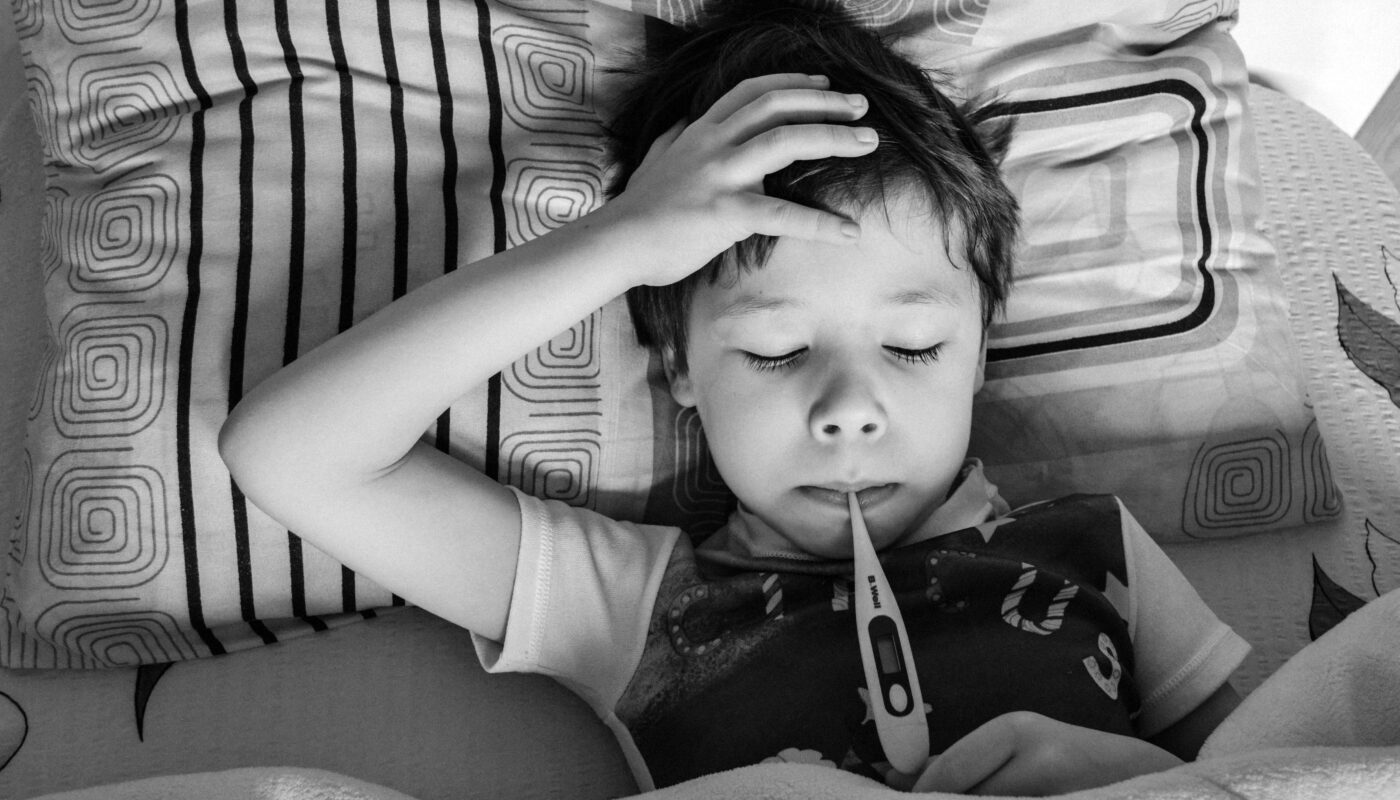
Because children cannot always express their pain clearly, adults may misinterpret it. A child who becomes irritable, withdrawn, or clingy may be labeled as “difficult” rather than recognized as uncomfortable. Behavioral changes are often the first sign of pain in children. A normally active child who suddenly becomes quiet may be experiencing discomfort. A child who refuses to eat might be coping with a sore throat or stomach pain. Recognizing these behavioral signals requires attentiveness and empathy.
There is also a cultural component to how children’s pain is perceived. Adults sometimes minimize children’s pain unintentionally. Phrases like “It’s not that bad” or “You’re fine” are often meant to comfort, but they can invalidate the child’s experience. When a child feels that their pain is dismissed, it may increase distress rather than reduce it. Validation, even in simple language, can significantly improve coping. Saying “I know that hurt” acknowledges the reality of the child’s experience while still providing reassurance.
The long-term implications of untreated or poorly managed pain in childhood are increasingly recognized. Repeated painful experiences without adequate support can sensitize the nervous system. This phenomenon, known as central sensitization, may increase vulnerability to chronic pain conditions later in life. Studies suggest that early pain experiences can shape how the brain processes future pain. This does not mean that every childhood injury leads to chronic problems, but it highlights the importance of taking pediatric pain seriously.
Chronic pain in children presents additional complexities. Unlike acute pain from an injury, chronic pain can affect schooling, social development, and mental health. Children with ongoing pain conditions may struggle with sleep, concentration, and peer relationships. Because they are still developing their sense of identity, chronic pain can shape how they see themselves. An adult with chronic pain may have established coping mechanisms and life roles. A child is still building those foundations. The impact can therefore be more pervasive.
Adolescence marks a transitional period. Teenagers’ pain experiences begin to resemble those of adults in some ways, but emotional regulation is still evolving. Hormonal changes can influence pain perception, particularly in conditions such as migraines or menstrual pain. Social dynamics also become more influential. Adolescents may hide pain to avoid appearing weak among peers. Alternatively, they may express it more dramatically in environments where they feel safe. Understanding this duality is essential for parents and healthcare providers.
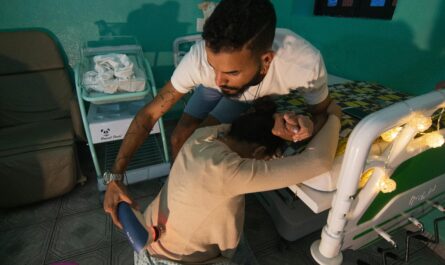
Parental response plays a powerful role in shaping a child’s pain experience. Children look to caregivers for cues about how to interpret situations. If a parent appears calm and confident during a painful event, the child is more likely to feel secure. If a parent appears anxious or fearful, the child’s distress may escalate. This is not about blaming parents; it is about recognizing the powerful feedback loop between caregiver emotion and child perception. Modeling calm coping strategies can reduce a child’s pain intensity.
Preparation is another key factor. When children are given age-appropriate explanations before a potentially painful procedure, they often cope better. The explanation must match their developmental level. A simple, honest description works better than vague reassurances. Telling a child they will feel “nothing at all” when they might feel a brief sting can damage trust. Trust is foundational in pain management. When children feel informed and respected, they are less likely to experience overwhelming fear.
Non-pharmacological interventions are particularly effective in pediatric pain. Distraction techniques such as storytelling, music, guided imagery, or simple breathing exercises can significantly reduce perceived pain intensity. Because children have vivid imaginations, distraction can powerfully shift attention away from discomfort. Adults also benefit from distraction, but children’s responsiveness to imaginative engagement makes it especially valuable.
Medical systems have evolved in their understanding of pediatric pain. Hospitals now use validated pain scales designed specifically for children. For younger children, visual tools such as faces scales allow them to point to a picture that represents how they feel. For infants, behavioral scales assess facial expression, muscle tone, and consolability. These tools recognize that children’s pain must be measured differently than adults’.
Despite advances, challenges remain. Some children, particularly those with developmental disabilities, may express pain in atypical ways. They may not cry or may show subtle changes in behavior that are easily overlooked. Caregivers who know the child well are often the best judges of these changes. Collaboration between parents and healthcare providers is essential in these cases.
Ultimately, recognizing that children experience pain differently invites a shift in mindset. It requires moving away from assumptions that children are simply “small adults.” Their bodies are developing. Their brains are wiring themselves in response to experiences. Their emotional landscapes are forming. Pain, therefore, becomes not only a physical event but a developmental event. How it is handled can influence resilience, trust, and future health behaviors.
When we take children’s pain seriously, we do more than reduce discomfort. We teach them that their bodies matter, that their feelings are valid, and that support is available in times of distress. We prevent unnecessary suffering and potentially reduce long-term consequences. We strengthen the bond between child and caregiver by responding with empathy rather than dismissal.
Pain will always be part of life. Scraped knees, growing pains, illnesses, and medical procedures are unavoidable. But understanding the distinct nature of pediatric pain allows us to approach these moments with greater care. It allows clinicians to design better protocols. It empowers parents to respond with confidence and compassion. And most importantly, it honors the reality that children’s experiences are real, intense, and worthy of attention.
Children do not experience pain less than adults. They experience it differently. In some cases, they experience it more intensely. Their developing systems amplify sensation, their cognitive frameworks shape interpretation, and their emotional responses intertwine with physical signals. Recognizing these differences is the first step toward better care. When we align medical science with empathy and developmental understanding, we create an environment in which children can face painful moments without feeling alone or misunderstood. That is not merely good medicine. It is human care.
Sources:
Neonatal Pain in Human Development; Pediatric Pain Assessment and Management Research; Developmental Changes in Pain Processing; Parent–Child Pain Communication Studies; Long-Term Effects of Early Pain Exposure; Psychological Influences on Pediatric Pain Perception