 by
by Pain is one of the most common reasons people seek medical care, miss work, or change their daily routines. Whether it develops after an injury, surgery, illness, intense physical activity, or a flare-up of a chronic condition, pain can interfere with nearly every aspect of life. Fortunately, numerous methods provide short-term relief, helping individuals regain comfort and continue their daily activities.
However, temporary relief should always be viewed as exactly that—temporary. While it can reduce discomfort and improve function, it should not replace proper diagnosis or long-term management when pain persists. Responsible use of short-term pain relief means understanding when it is appropriate, choosing safe options, recognizing limitations, and knowing when professional evaluation is necessary.
Many people unintentionally misuse pain relief strategies. Some rely heavily on medications, while others ignore persistent symptoms because temporary treatments appear to solve the problem. In reality, pain often serves as the body’s warning signal, and masking that signal without understanding its cause can delay appropriate care.
This guide explains how to use short-term pain relief safely and effectively, explores different treatment options, discusses common mistakes, and provides practical strategies for balancing comfort with long-term health.
Understanding Short-Term Pain Relief
Short-term pain relief aims to reduce symptoms for a limited period while the body heals or while a more comprehensive treatment plan is developed.
Its primary goals include:
- Reducing discomfort
- Improving movement
- Supporting sleep
- Allowing participation in daily activities
- Making rehabilitation exercises more manageable
- Improving overall quality of life
Short-term relief is often appropriate when pain results from:
- Minor muscle strains
- Mild sprains
- Headaches
- Temporary inflammation
- Dental procedures
- Minor injuries
- Vaccinations
- Recovery after surgery
- Occasional back pain
- Menstrual cramps
- Viral illnesses
The emphasis should always remain on supporting recovery rather than simply hiding symptoms.
Pain Is Information
Pain is not the enemy.
Pain is information sent by the nervous system indicating that something requires attention. Sometimes that information reflects actual tissue injury. Other times it reflects irritation, inflammation, nerve sensitivity, or changes in pain processing.
Using pain relief responsibly means respecting this message rather than ignoring it.
For example:
- Pain after exercise may indicate temporary muscle recovery.
- Sudden severe abdominal pain may require emergency evaluation.
- Ongoing joint pain may signal arthritis.
- Persistent nerve pain may indicate nerve compression.
Reducing pain should never prevent investigation when symptoms suggest something more serious.
Why Temporary Relief Matters
Some people mistakenly believe that treating pain immediately is harmful. In reality, appropriate pain control offers several important benefits.
Better Mobility
Severe pain often causes people to avoid movement.
Unfortunately, prolonged inactivity may lead to:
- Muscle weakness
- Joint stiffness
- Reduced circulation
- Slower recovery
- Increased disability
Temporary relief often allows gentle movement that actually speeds healing.
Improved Sleep
Pain commonly interrupts sleep.
Poor sleep contributes to:
- Increased pain sensitivity
- Fatigue
- Reduced healing
- Mood changes
- Difficulty concentrating
Breaking the cycle with responsible pain management supports overall recovery.
Lower Stress
Pain activates the body’s stress response.
Long-lasting stress increases muscle tension and may worsen pain.
Temporary symptom control can reduce anxiety and help individuals participate more effectively in rehabilitation.
Better Participation in Therapy
Many rehabilitation programs include:
- Stretching
- Strengthening
- Walking
- Physical therapy
- Occupational therapy
Reducing pain enough to perform these activities often improves long-term outcomes.
Common Types of Short-Term Pain Relief
Responsible pain management usually combines several approaches rather than relying on one solution.
Rest
Rest allows injured tissues time to recover.
However, complete bed rest is rarely recommended for most musculoskeletal pain.
Instead:
- Reduce activities that worsen symptoms.
- Continue gentle movement whenever possible.
- Gradually resume normal activity.
Finding the balance between protection and movement is essential.
Ice Therapy
Cold therapy works well during the first 24–72 hours after many acute injuries.
Benefits include:
- Reduced inflammation
- Less swelling
- Temporary numbing
- Lower pain intensity
Ice packs should generally be applied for 15–20 minutes with a protective cloth between the skin and the ice.
Heat Therapy
Heat often works better for:
- Muscle tightness
- Chronic stiffness
- Neck pain
- Lower back discomfort
Heat improves blood flow and encourages muscle relaxation.
Avoid heat immediately after fresh injuries involving significant swelling.
Compression
Compression sleeves or elastic bandages may reduce swelling following certain injuries.
They should feel supportive but never painfully tight.
Warning signs of excessive compression include:
- Numbness
- Tingling
- Color changes
- Increased pain
Elevation
Elevating an injured limb above heart level helps decrease swelling during the early stages of recovery.
This simple strategy often complements icing and compression.
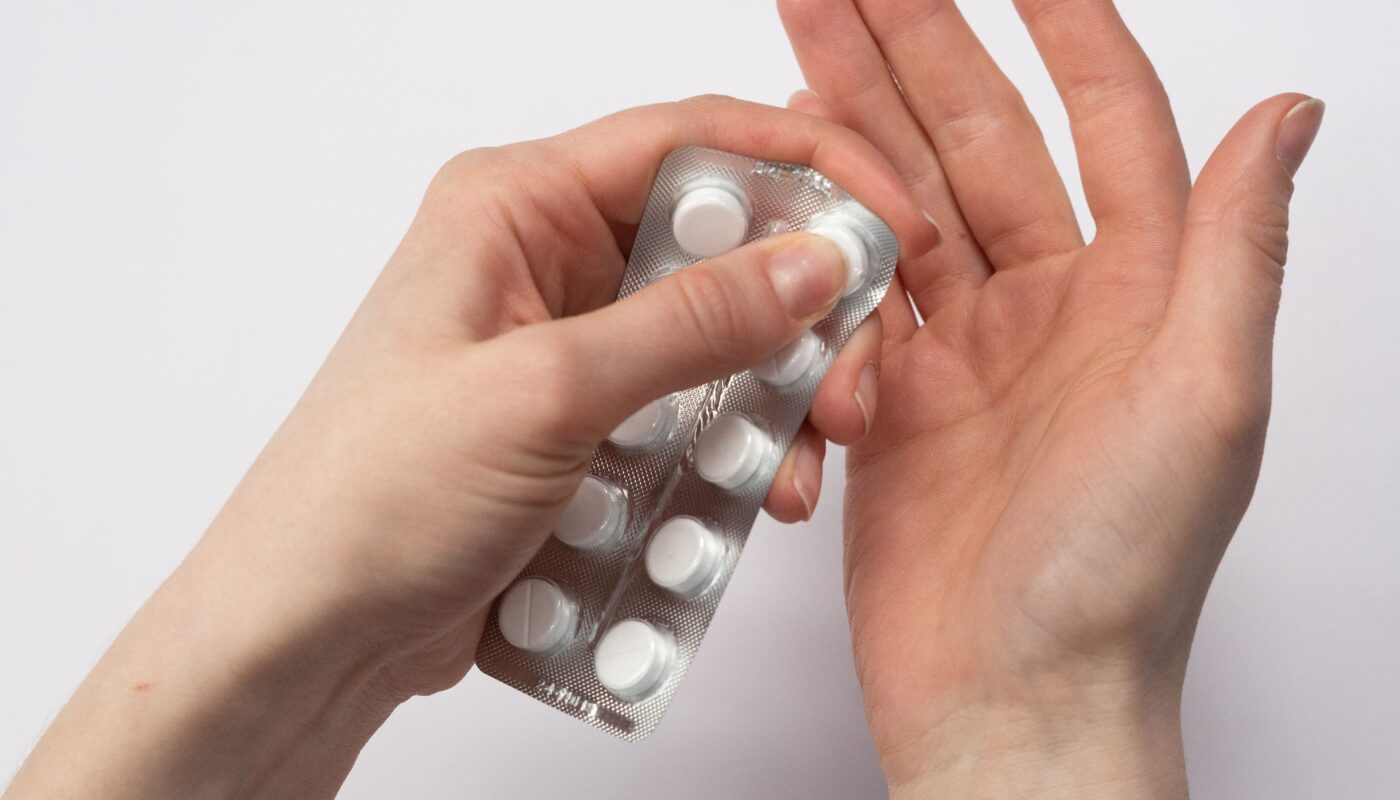
Over-the-Counter Pain Medications
Many individuals safely use non-prescription medications for temporary relief.
Common categories include:
Acetaminophen
Often helpful for:
- Headaches
- Mild arthritis
- Fever
- General aches
It does not significantly reduce inflammation.
Because excessive doses may damage the liver, users should carefully follow dosing instructions and consider other medications that may also contain acetaminophen.
Nonsteroidal Anti-Inflammatory Drugs (NSAIDs)
Examples include medications that reduce inflammation alongside pain.
These are commonly used for:
- Muscle injuries
- Sprains
- Arthritis flare-ups
- Dental pain
- Menstrual cramps
Although effective, NSAIDs may increase risks involving:
- Stomach irritation
- Ulcers
- Kidney problems
- Elevated blood pressure
- Bleeding
Long-term or excessive use should always involve healthcare guidance.
Topical Pain Relief
Topical treatments work directly where symptoms occur.
These include:
- Pain-relieving gels
- Creams
- Patches
- Sprays
Benefits include:
- Lower systemic exposure
- Targeted treatment
- Ease of use
- Helpful for localized pain
Some contain cooling ingredients while others provide warming sensations.
Prescription topical medications may also be recommended in certain situations.
Gentle Movement as Pain Relief
Many painful conditions improve with carefully controlled movement rather than complete rest.
Examples include:
- Walking
- Stretching
- Range-of-motion exercises
- Swimming
- Light cycling
- Yoga
Movement helps:
- Maintain flexibility
- Improve circulation
- Reduce stiffness
- Support healing
- Improve mood
Activities should stay within tolerable limits rather than pushing through severe pain.
Relaxation Techniques
The nervous system strongly influences pain.
Relaxation techniques reduce muscle tension and calm heightened pain responses.
Helpful methods include:
- Deep breathing
- Progressive muscle relaxation
- Guided imagery
- Meditation
- Mindfulness
- Gentle stretching
These approaches are especially useful when stress contributes to muscle tension or pain flare-ups.
Massage
Massage may temporarily relieve:
- Muscle tightness
- Trigger points
- Neck discomfort
- Shoulder tension
- Back stiffness
Benefits may include:
- Better circulation
- Muscle relaxation
- Reduced stress
- Improved flexibility
Massage should not be performed directly over acute injuries, fractures, infections, or areas with significant swelling unless advised by a healthcare professional.
Supportive Devices
Sometimes pain relief comes from reducing stress on painful structures.
Examples include:
- Knee braces
- Wrist splints
- Ankle supports
- Shoe inserts
- Cervical pillows
- Lumbar cushions
Supportive devices work best when appropriately fitted and used for recommended periods.
Overreliance may contribute to muscle weakness if used continuously without medical advice.
Hydration and Nutrition
Proper hydration supports healthy muscles, joints, circulation, and tissue recovery.
Nutrition also influences healing.
Key nutrients include:
- Protein
- Vitamin C
- Vitamin D
- Calcium
- Magnesium
- Omega-3 fatty acids
- Zinc
Balanced nutrition cannot eliminate pain immediately but supports recovery over time.
Responsible Medication Use
Medication should support recovery—not become the only strategy.
Safe habits include:
- Following recommended doses
- Reading package instructions
- Avoiding duplicate medications
- Checking interactions
- Storing medicines safely
- Monitoring side effects
- Consulting healthcare providers when uncertain
More medication does not necessarily provide more relief.
Using excessive amounts may increase risks without improving pain control.
Avoiding the “Pain-Free Means Healed” Mistake
One of the biggest misconceptions is assuming pain relief equals recovery.
For example:
A runner sprains an ankle.
After taking medication, pain decreases significantly.
Feeling better, they immediately return to intense running.
Unfortunately, the injured ligaments may still be healing, increasing the likelihood of reinjury.
Temporary comfort should never replace gradual rehabilitation.
Long-term management often includes:
- Regular physical activity
- Weight management
- Physical therapy
- Stress reduction
- Good sleep habits
- Healthy nutrition
- Medical follow-up
- Appropriate medications when prescribed
Temporary relief should help you continue these healthy habits rather than discourage them.
Recognizing When Pain Needs Medical Attention
Although many types of pain improve with simple home care, certain symptoms require prompt evaluation. Ignoring these warning signs because temporary treatments seem effective can delay diagnosis and increase the risk of complications.
Seek medical care if pain:
- Lasts longer than expected
- Continues to worsen
- Prevents normal daily activities
- Frequently wakes you from sleep
- Returns repeatedly without an obvious cause
- Does not improve despite appropriate home treatment
- Follows a significant injury
- Occurs with unexplained weight loss
- Is accompanied by fever or chills
- Causes weakness or numbness
- Involves loss of bladder or bowel control
- Occurs with chest pain or difficulty breathing
- Is sudden, severe, or unlike previous pain
These symptoms may indicate conditions that require professional diagnosis rather than temporary symptom relief alone.
Avoiding Dependence on Temporary Solutions
One of the greatest challenges in pain management is becoming overly dependent on quick fixes. When a particular method consistently reduces discomfort, it can be tempting to rely on it without addressing the underlying cause.
Examples include:
- Taking pain medication every day without medical advice
- Repeatedly applying heat while ignoring worsening symptoms
- Wearing braces continuously instead of strengthening muscles
- Avoiding movement because pain returns when activity resumes
Over time, these habits may slow recovery or even contribute to persistent pain.
Responsible pain management focuses on improving long-term health rather than only reducing today’s discomfort.
Combining Treatments Safely
Pain relief is often most effective when several complementary approaches are used together.
For example, someone recovering from a mild back strain may benefit from:
- Short periods of rest
- Gentle stretching
- Walking
- Heat therapy after the acute stage
- Good posture
- Adequate hydration
- Proper sleep
- Temporary use of over-the-counter medication when appropriate
Using multiple safe strategies often allows lower reliance on medications while promoting faster recovery.
However, combining treatments should always be done thoughtfully. Mixing medications without understanding their ingredients can increase the risk of accidental overdose or harmful interactions.
Common Mistakes People Make
Many people unintentionally reduce the effectiveness of pain management by making avoidable mistakes.
Ignoring Instructions
Taking medications more frequently or in higher doses than recommended does not necessarily provide better relief. Instead, it increases the likelihood of side effects and complications.
Waiting Until Pain Becomes Severe
In some situations, treating pain early according to medical guidance may be more effective than waiting until discomfort becomes intense.
Stopping Movement Completely
Fear of pain often causes people to avoid activity altogether. Unless specifically advised otherwise, gentle movement usually supports healing and prevents stiffness.
Using Someone Else’s Medication
Prescription medications are tailored to an individual’s health needs. Sharing medications can be dangerous and may delay proper diagnosis.
Ignoring Persistent Symptoms
Repeatedly treating pain without identifying its cause may allow underlying conditions to worsen.
The Role of Physical Therapy
Physical therapy is one of the most valuable tools for reducing pain while improving long-term function.
A physical therapist can help individuals:
- Improve flexibility
- Build muscle strength
- Correct posture
- Improve balance
- Increase joint mobility
- Reduce the risk of future injuries
Temporary pain relief methods often make it easier to participate in these exercises, leading to better outcomes over time.
Sleep and Pain Recovery
Sleep is one of the body’s most powerful healing tools. During sleep, tissues repair themselves, inflammation decreases, and the nervous system recovers from daily stress.
Pain often interferes with restful sleep, creating a frustrating cycle:
Pain → Poor Sleep → Increased Pain Sensitivity → More Pain
Breaking this cycle may involve:
- Keeping a consistent bedtime
- Limiting caffeine late in the day
- Creating a comfortable sleeping environment
- Using supportive pillows
- Practicing relaxation before bed
- Addressing pain appropriately before sleeping
Improving sleep quality often reduces pain intensity over time.
Mental Health and Pain
Pain affects more than the body. It can influence emotions, relationships, productivity, and overall well-being.
People living with ongoing pain may experience:
- Frustration
- Anxiety
- Depression
- Irritability
- Social withdrawal
- Difficulty concentrating
Similarly, emotional stress can amplify pain perception by increasing muscle tension and nervous system sensitivity.
Helpful coping strategies include:
- Mindfulness meditation
- Counseling or therapy
- Support groups
- Journaling
- Deep breathing exercises
- Staying socially connected
Managing emotional health supports physical recovery and can reduce reliance on short-term pain relief.
Healthy Lifestyle Habits That Support Pain Relief
Daily habits play a major role in how the body responds to pain.
Stay Physically Active
Regular movement improves:
- Muscle strength
- Joint flexibility
- Blood circulation
- Mood
- Endurance
Aim for activities appropriate for your condition and fitness level.
Maintain a Healthy Weight
Excess body weight increases stress on:
- Knees
- Hips
- Lower back
- Feet
Even modest weight loss may reduce joint pain and improve mobility.
Eat an Anti-Inflammatory Diet
A balanced diet rich in fruits, vegetables, whole grains, lean proteins, nuts, seeds, and healthy fats supports healing and may help reduce inflammation.
Limiting highly processed foods, excessive sugar, and unhealthy fats may also benefit overall health.
Stay Hydrated
Dehydration can contribute to fatigue, muscle cramps, and reduced physical performance. Drinking enough water supports normal body function and recovery.
Special Considerations for Older Adults
Older adults often experience pain related to arthritis, osteoporosis, or age-related changes. Because they may also take multiple medications or have chronic medical conditions, pain relief should be approached carefully.
Important considerations include:
- Increased sensitivity to medication side effects
- Higher risk of falls due to dizziness or drowsiness
- Greater likelihood of medication interactions
- Need for individualized treatment plans
Healthcare providers can recommend the safest options based on overall health and existing medical conditions.
Pain Relief During Pregnancy
Pregnancy introduces unique considerations when managing pain. Many medications commonly used outside of pregnancy may not be appropriate during certain stages.
Pregnant individuals experiencing pain should:
- Consult their healthcare provider before taking medications
- Use supportive pillows for better sleep
- Engage in pregnancy-safe exercises if approved
- Practice gentle stretching
- Stay hydrated
- Monitor symptoms carefully
Severe abdominal pain, heavy bleeding, reduced fetal movement, or persistent headaches should always be evaluated promptly.
Pain Relief for Children
Children communicate pain differently depending on their age. Parents and caregivers should avoid giving medications intended for adults unless specifically instructed by a healthcare professional.
Safe pain management for children may include:
- Age-appropriate medications
- Rest
- Fluids
- Comfort measures
- Gentle reassurance
- Monitoring symptoms closely
Persistent, severe, or unexplained pain always deserves medical evaluation.
Building a Long-Term Pain Management Plan
Short-term relief works best when it fits into a broader strategy focused on lasting improvement.
A comprehensive pain management plan may include:
- Understanding the underlying diagnosis
- Setting realistic recovery goals
- Maintaining regular physical activity
- Following medical recommendations
- Attending follow-up appointments
- Tracking symptoms in a pain journal
- Learning stress management techniques
- Making healthy lifestyle choices
This balanced approach helps reduce pain while improving overall quality of life.
Myths About Short-Term Pain Relief
Myth 1: If the pain goes away, the injury is healed.
Pain reduction does not always mean tissues have fully recovered. Continue following rehabilitation advice even if you feel better.
Myth 2: More medication works better.
Taking larger doses than recommended increases health risks without guaranteeing additional relief.
Myth 3: Complete bed rest is best.
For many musculoskeletal conditions, prolonged inactivity can delay recovery. Gentle movement is often beneficial.
Myth 4: Heat and ice are interchangeable.
Cold therapy is generally more appropriate for new injuries with swelling, while heat is often better for muscle stiffness and chronic discomfort.
Myth 5: Pain should always be ignored.
Persistent or severe pain is the body’s way of signaling that something may need medical attention. Ignoring it can delay diagnosis and treatment.
Conclusion
Short-term pain relief is an important part of responsible pain management when used wisely. Whether through rest, ice, heat, gentle movement, topical treatments, or appropriate medications, temporary relief can improve comfort, mobility, sleep, and overall quality of life. However, it should never replace proper diagnosis or long-term treatment when pain persists or worsens.
Listening to your body, following recommended treatment guidelines, and recognizing warning signs are essential steps toward lasting recovery. Pain is more than a symptom—it is valuable information that deserves attention and respect. By combining temporary relief with healthy lifestyle habits, rehabilitation, and professional guidance when needed, individuals can manage pain safely while supporting long-term health and function.
Sources
International Association for the Study of Pain (IASP) – Pain Management Resources; World Health Organization (WHO) – Pain Management Guidance; Centers for Disease Control and Prevention (CDC) – Managing Chronic Pain; National Institute of Arthritis and Musculoskeletal and Skin Diseases (NIAMS) – Pain and Musculoskeletal Health; MedlinePlus – Pain Relief Medicines; Mayo Clinic – Pain Management; Cleveland Clinic – Acute and Chronic Pain; Johns Hopkins Medicine – Pain Treatment and Recovery.