 by
by Introduction
Pain is one of the most common reasons children are taken to a healthcare professional. From minor bumps and bruises to unexplained headaches, stomach aches, joint discomfort, or muscle pain, children experience pain for many of the same reasons adults do. However, pediatric pain differs significantly because children often struggle to explain what they are feeling. Their descriptions may be vague, inconsistent, or influenced by fear and anxiety, making it challenging for parents and caregivers to determine whether a symptom is harmless or requires medical attention.
While many episodes of childhood pain are temporary and resolve without treatment, some pains indicate infections, injuries, inflammatory diseases, neurological conditions, or other medical problems that benefit from prompt evaluation. Recognising the warning signs early can reduce complications, improve recovery, and provide reassurance to both children and their families.
Medical evaluation does not necessarily mean that a serious illness exists. Instead, it allows healthcare professionals to identify the underlying cause, rule out dangerous conditions, recommend appropriate treatment, and prevent unnecessary suffering. Waiting too long because a child “looks okay” or assuming they are exaggerating may delay important care, while seeking assessment for persistent or unusual symptoms helps ensure the best possible outcomes.
This guide explains when pediatric pain deserves professional medical attention, which symptoms should never be ignored, how pain presents differently at various ages, and what parents can do while awaiting medical care.
Understanding Pediatric Pain
Pain is the body’s natural warning system. It alerts us that something may be wrong and encourages protective actions that support healing. In children, pain can result from numerous causes, including:
- Minor injuries
- Viral illnesses
- Bacterial infections
- Growth-related discomfort
- Muscle strain
- Bone injuries
- Digestive disorders
- Urinary tract infections
- Ear infections
- Dental problems
- Autoimmune diseases
- Neurological conditions
- Emotional stress
The challenge is that children frequently cannot identify the exact location or quality of their pain.
A toddler may simply cry continuously.
A preschool child may point to the wrong body part.
An older child might describe every discomfort as “it hurts.”
Healthcare providers therefore evaluate not only what children say but also how they behave, move, sleep, eat, and interact with others.
Why Children Experience Pain Differently Than Adults
Children are not simply small adults. Their nervous systems, communication abilities, and emotional responses are still developing.
Several differences influence pain assessment:
Limited Communication
Young children may lack the vocabulary needed to describe:
- Sharp pain
- Burning pain
- Pressure
- Tingling
- Cramping
- Aching
Instead, they may simply cry or refuse to move.
Fear and Anxiety
Medical environments can frighten children.
Fear often intensifies pain perception, making relatively minor problems appear more severe.
Behavioural Changes
Children often express discomfort through behaviour rather than words.
Signs include:
- Irritability
- Clinginess
- Refusing food
- Poor sleep
- Decreased activity
- Excessive crying
- Withdrawal
These changes sometimes appear before obvious physical symptoms.
Rapid Physiological Changes
Children can deteriorate more quickly than adults when serious illness develops.
This is one reason persistent or worsening pain deserves careful attention.
Common Causes of Pediatric Pain
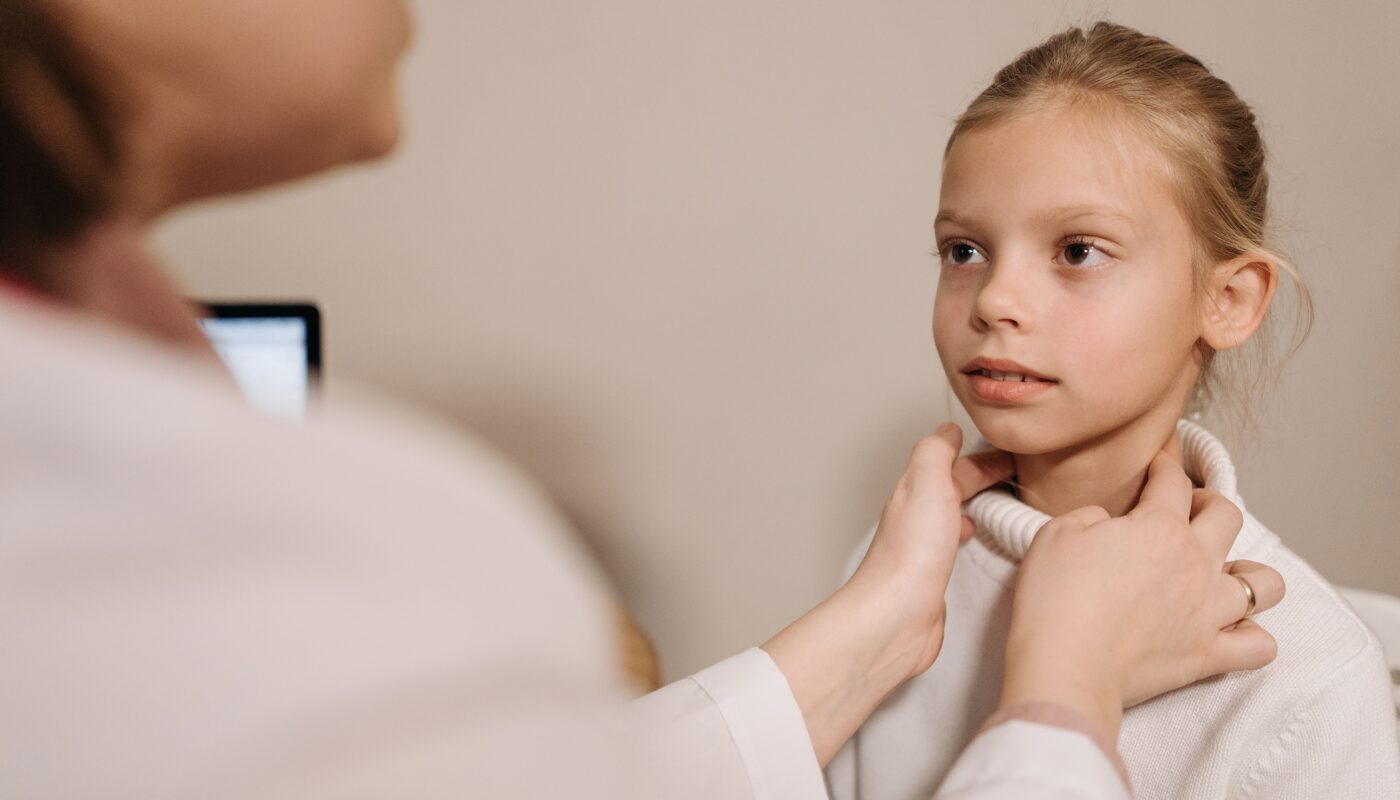
Most childhood pain is not life-threatening. Understanding common causes helps parents distinguish routine illnesses from situations needing medical evaluation.
Minor Injuries
Children are naturally active.
Running, climbing, jumping, and sports commonly produce:
- Bruises
- Muscle soreness
- Mild sprains
- Small cuts
- Temporary swelling
These injuries usually improve within several days with rest and appropriate care.
Viral Infections
Many viral illnesses produce:
- Muscle aches
- Headaches
- Sore throat
- Abdominal pain
- Fever
- Fatigue
Pain generally improves as the infection resolves.
Ear Infections
Ear pain is among the most common reasons young children visit healthcare providers.
Symptoms include:
- Ear pulling
- Crying
- Fever
- Poor sleep
- Difficulty hearing
- Irritability
Prompt treatment often provides rapid relief.
Growing Pains
Growing pains remain poorly understood but commonly affect children between the ages of 3 and 12.
Typical features include:
- Pain in both legs
- Evening discomfort
- No swelling
- No redness
- Normal walking during the day
- Improvement by morning
Although usually harmless, recurring leg pain should still be discussed with a healthcare provider to exclude other conditions.
Gastrointestinal Problems
Abdominal pain has countless causes, including:
- Constipation
- Gas
- Viral gastroenteritis
- Food intolerance
- Appendicitis
- Urinary infections
Persistent abdominal pain requires careful evaluation because some causes need urgent treatment.
Dental Problems
Tooth decay, infections, erupting teeth, and dental injuries can cause significant discomfort.
Untreated dental infections may spread beyond the mouth.
Signs That Pain Needs Medical Evaluation
Although many childhood aches improve naturally, certain features indicate the need for professional assessment.
Pain That Persists
Pain lasting longer than expected deserves attention.
Examples include:
- Headache lasting several days
- Joint pain lasting weeks
- Persistent stomach pain
- Ongoing back pain
- Continuous neck pain
Persistent symptoms should never simply be dismissed as “growing pains.”
Severe Pain
Pain that causes a child to scream, cry continuously, or become inconsolable requires urgent assessment.
Severe pain may indicate:
- Fractures
- Appendicitis
- Kidney stones
- Testicular torsion
- Severe infections
- Acute abdominal emergencies
Pain That Worsens
Instead of gradually improving, worsening pain often signals an evolving medical condition.
Parents should monitor:
- Increasing intensity
- Spreading pain
- Reduced movement
- New swelling
- Fever
- Vomiting
Pain That Interrupts Sleep
Children who wake repeatedly because of pain should be evaluated.
Night pain may accompany:
- Bone infections
- Inflammatory disorders
- Certain cancers
- Significant injuries
- Severe ear infections
Most ordinary growing pains improve with comfort measures and do not consistently wake children night after night.
Pain Associated With Fever
Pain combined with fever raises concern for infection.
Examples include:
- Painful joints
- Ear pain
- Neck pain
- Bone pain
- Abdominal pain
- Urinary pain
Medical assessment helps identify infections before complications develop.
Age Matters in Pediatric Pain
The meaning of pain varies depending on the child’s developmental stage.
Infants
Infants cannot describe symptoms.
Parents should watch for:
- Persistent crying
- Refusal to feed
- High-pitched crying
- Fever
- Poor responsiveness
- Vomiting
- Unusual sleepiness
Pain in infants often requires lower thresholds for medical evaluation.
Toddlers
Toddlers frequently indicate discomfort by:
- Limping
- Refusing to walk
- Holding a body part
- Becoming unusually quiet
- Crying when touched
Because communication remains limited, healthcare providers rely heavily on physical examination.
School-Aged Children
These children can often describe pain location but may struggle with intensity.
Parents should ask simple questions such as:
- Where does it hurt?
- When did it start?
- Does anything make it better?
- Does anything make it worse?
Teenagers
Adolescents generally communicate pain more accurately.
However, they may delay reporting symptoms because of embarrassment, fear, or a desire to continue sports and social activities.
Persistent pain in teenagers should never be ignored simply because they appear otherwise healthy.
Head Pain in Children
Headaches are common, but not every headache is a migraine or tension headache.
Medical evaluation becomes important when headaches:
- Become increasingly frequent
- Wake the child from sleep
- Occur after a head injury
- Cause vomiting
- Are associated with confusion
- Affect vision
- Occur with seizures
- Are accompanied by fever and neck stiffness
Most headaches are not emergencies, but identifying concerning features early helps prevent serious complications.
Abdominal Pain That Needs Prompt Attention
Stomach pain is one of the leading reasons children visit emergency departments.
While constipation and viral infections account for many cases, urgent evaluation is needed if abdominal pain is associated with:
- Persistent vomiting
- Blood in stool
- Severe tenderness
- Swollen abdomen
- Inability to walk comfortably
- Pain localised to the lower right side
- High fever
- Difficulty urinating
- Persistent dehydration
Appendicitis, bowel obstruction, urinary infections, and other conditions require timely diagnosis and treatment.
Bone and Joint Pain in Children
Children are active, and aches after play, sports, or minor falls are common. However, persistent or severe bone and joint pain should never be dismissed without considering whether a medical evaluation is needed.
Occasional soreness after physical activity usually improves with rest, hydration, and time. Pain that becomes more frequent, affects daily activities, or occurs without an obvious injury deserves professional attention.
Warning Signs of Bone Pain
Bone pain should be evaluated promptly if it:
- Persists for several days without improvement
- Occurs repeatedly in the same location
- Causes limping or refusal to bear weight
- Is associated with swelling or redness
- Worsens during the night
- Occurs alongside fever or unexplained weight loss
- Develops after a significant injury
Although serious causes are uncommon, conditions such as fractures, bone infections (osteomyelitis), inflammatory diseases, or, rarely, bone tumours can initially present with persistent pain.
Joint Pain That Should Not Be Ignored
Joint pain may involve the knees, ankles, wrists, elbows, hips, or shoulders. While temporary discomfort can follow vigorous activity, persistent joint pain requires careful assessment.
Parents should seek medical advice if a child experiences:
- Swollen joints
- Warmth or redness around a joint
- Morning stiffness lasting more than 30 minutes
- Difficulty walking
- Reduced range of motion
- Pain affecting multiple joints
- Joint pain accompanied by fever or rash
Some inflammatory conditions, such as juvenile idiopathic arthritis, benefit from early diagnosis and treatment to minimise long-term joint damage.
Muscle Pain Beyond Normal Soreness
Muscle aches frequently accompany viral illnesses, intense physical activity, or minor strains. Most improve within a few days.
Medical evaluation becomes important when muscle pain:
- Is unusually severe
- Prevents normal movement
- Is accompanied by significant weakness
- Occurs after taking certain medications
- Appears with dark-coloured urine
- Persists despite rest
- Is associated with high fever
Occasionally, muscle pain may indicate infections, inflammatory muscle diseases, or other medical conditions requiring treatment.
Back Pain in Children
Unlike adults, chronic back pain is relatively uncommon in younger children. Persistent or severe back pain therefore deserves careful medical assessment.
Possible causes include:
- Muscle strain
- Poor posture
- Sports-related injuries
- Spinal abnormalities
- Kidney infections
- Kidney stones
- Inflammatory disorders
Seek Prompt Medical Care If Back Pain Is Accompanied By:
- Fever
- Numbness
- Weakness
- Difficulty walking
- Loss of bladder or bowel control
- Significant trauma
- Persistent night pain
These symptoms may indicate conditions requiring urgent evaluation.
Neck Pain: When Is It Serious?
Children frequently develop temporary neck pain after sleeping awkwardly or following mild muscle strain.
However, neck pain should never be ignored if it occurs with:
- High fever
- Severe headache
- Stiff neck
- Sensitivity to light
- Persistent vomiting
- Confusion
- Difficulty moving the neck
These symptoms may indicate meningitis or other serious infections requiring immediate emergency care.
Neck pain following falls, sporting injuries, or motor vehicle accidents should also receive prompt medical assessment to exclude cervical spine injuries.
Chest Pain in Children
Chest pain understandably causes anxiety for parents, yet fortunately, most childhood chest pain is not related to heart disease.
Common causes include:
- Muscle strain
- Costochondritis (inflammation of the chest wall)
- Respiratory infections
- Asthma
- Acid reflux
- Anxiety
Nevertheless, urgent medical evaluation is recommended if chest pain is:
- Severe or crushing
- Associated with difficulty breathing
- Occurs during exercise
- Accompanied by fainting
- Linked with blue lips or skin
- Associated with an irregular heartbeat
- Occurs after significant chest trauma
Although uncommon, heart-related causes should be ruled out when concerning symptoms are present.
Pain Following Sports Injuries
Sports provide numerous physical and emotional benefits, but injuries occasionally occur.
Children should be medically evaluated when an injury results in:
- Immediate inability to bear weight
- Significant swelling
- Obvious deformity
- Severe bruising
- Persistent pain beyond several days
- Joint instability
- Numbness or tingling
Returning to sports too early may worsen injuries and prolong recovery.
Head Injuries and Pain
Children frequently bump their heads during play, and most recover without complications. However, some head injuries require urgent assessment.
Warning signs include:
- Loss of consciousness
- Repeated vomiting
- Severe or worsening headache
- Confusion
- Excessive drowsiness
- Seizures
- Difficulty walking
- Slurred speech
- Unequal pupils
Parents should carefully observe children after any significant head injury, even if symptoms initially appear mild.
Pain Associated with Fever
Pain combined with fever often points towards infection, although inflammatory illnesses may also present this way.
Examples include:
- Ear infections
- Pneumonia
- Urinary tract infections
- Bone infections
- Meningitis
- Appendicitis
- Inflamed lymph nodes
Children with fever and severe pain should not simply receive pain medicine without identifying the underlying cause.
Neurological Pain Symptoms
Pain associated with the nervous system may present differently from injuries or infections.
Children should be evaluated if pain occurs alongside:
- Numbness
- Tingling
- Weakness
- Balance problems
- Vision changes
- Speech difficulties
- Seizures
- Persistent dizziness
Although many neurological symptoms have benign explanations, prompt assessment helps exclude serious neurological disorders.
Recurrent Pain Episodes
Some children experience repeated episodes of pain over months or years.
Examples include:
- Recurrent headaches
- Recurrent abdominal pain
- Repeated limb pain
- Frequent joint pain
Recurring symptoms should not automatically be attributed to stress or anxiety. A healthcare professional can determine whether further investigation or referral to a specialist is appropriate.
Pain and Emotional Well-Being
Emotional health influences how children experience pain. Stress, anxiety, family changes, school pressures, bullying, or social difficulties may contribute to physical symptoms.
Children experiencing emotionally related pain are not “pretending” or “making it up.” The discomfort is real and deserves compassionate evaluation.
Healthcare professionals consider both physical and emotional factors when assessing persistent or unexplained pain.
Red Flags Requiring Emergency Medical Care
Certain symptoms indicate that immediate medical attention is necessary.
Seek emergency care if a child has pain together with:
- Difficulty breathing
- Loss of consciousness
- Seizures
- Severe dehydration
- Persistent vomiting
- Confusion
- Sudden weakness
- High fever with neck stiffness
- Severe abdominal tenderness
- Blue lips or skin
- Uncontrolled bleeding
- Obvious fractures or bone deformity
- Inability to wake normally
- Sudden testicular pain
- Severe allergic reactions with swelling or breathing difficulty
Trust your instincts. If your child appears seriously unwell despite uncertain symptoms, prompt medical assessment is appropriate.
What to Expect During a Medical Evaluation
Healthcare professionals begin by gathering a detailed history.
Parents may be asked:
- When did the pain begin?
- Where is the pain located?
- How severe is it?
- Has it changed over time?
- Was there an injury?
- Is there fever or illness?
- Does movement worsen the pain?
- What treatments have already been tried?
- Has the child experienced similar symptoms before?
- Are there any relevant family medical conditions?
Older children may be asked to describe the pain using age-appropriate pain scales or drawings.
Physical Examination
A careful examination often provides valuable clues about the cause of pain.
The clinician may assess:
- Temperature
- Heart rate
- Blood pressure
- Breathing
- Growth and development
- Mobility
- Joint movement
- Muscle strength
- Reflexes
- Skin changes
- Abdominal tenderness
- Ear, nose, and throat health
- Neurological function
The examination is tailored to the child’s age and symptoms.
Diagnostic Tests That May Be Recommended
Not every child requires laboratory tests or imaging. Investigations are selected based on clinical findings.
Possible tests include:
Blood Tests
These may identify:
- Infection
- Inflammation
- Anaemia
- Autoimmune disorders
- Electrolyte abnormalities
Urine Tests
Useful for diagnosing:
- Urinary tract infections
- Kidney problems
- Dehydration
- Metabolic conditions
Imaging
Depending on the symptoms, imaging may include:
- X-rays
- Ultrasound
- MRI
- CT scans (when clinically necessary)
Imaging helps detect fractures, organ abnormalities, inflammation, or other structural problems.
Pain Assessment Tools for Children
Healthcare professionals often use age-appropriate tools to measure pain accurately.
Examples include:
- Faces Pain Scale for younger children
- Numerical rating scales for older children
- Behavioural pain assessment tools for infants and non-verbal children
These tools help monitor improvement and guide treatment decisions.
Helping Your Child Before Medical Assessment
While waiting for medical care, parents can make their child more comfortable by:
- Encouraging rest
- Offering fluids if appropriate
- Using prescribed or healthcare provider-recommended pain relief as directed
- Applying ice packs for recent injuries (wrapped in a cloth to protect the skin)
- Providing reassurance and staying calm
- Avoiding forcing the child to continue painful activities
- Observing for new or worsening symptoms
Avoid giving medicines that have not been recommended for your child’s age or condition, and do not ignore severe or rapidly worsening pain even if temporary pain relief seems effective.
Treatment Depends on the Underlying Cause
One of the most important principles in pediatric medicine is that pain itself is a symptom rather than a diagnosis. While relieving discomfort is an important goal, effective treatment requires understanding why the pain is occurring. A healthcare professional will develop a treatment plan based on the child’s age, medical history, examination findings, and, if necessary, diagnostic tests.
Treatment may involve simple home care for minor illnesses or more specialised interventions for serious conditions. Parents should avoid assuming that every episode of pain requires medication, just as they should avoid assuming pain will always resolve on its own.
Possible treatment options include:
- Rest and gradual return to normal activities
- Appropriate pain-relieving medications when recommended
- Antibiotics for bacterial infections
- Antiviral treatment in selected situations
- Immobilisation for fractures or significant sprains
- Physical therapy for musculoskeletal conditions
- Surgery for conditions such as appendicitis or certain fractures
- Referral to specialists for chronic or complex pain conditions
- Psychological support when emotional factors contribute to pain
Each child’s treatment plan should be individualised, taking into account both the physical and emotional aspects of pain.
Safe Pain Management at Home
Many episodes of mild pain can be managed safely at home while parents continue to monitor their child’s condition.
Helpful measures include:
Encourage Adequate Rest
The body heals most effectively when children are allowed time to recover. Avoid encouraging strenuous activities too soon after illness or injury.
Maintain Hydration
Children experiencing fever, vomiting, or diarrhoea can become dehydrated quickly. Encourage frequent small drinks unless instructed otherwise by a healthcare professional.
Provide Nutritious Foods
Illness may reduce appetite temporarily, but offering healthy, easy-to-digest meals can support recovery.
Use Medicines Responsibly
Pain-relieving medicines should always be given according to the child’s age, weight, and healthcare provider’s instructions. Never exceed recommended doses or combine medications without professional advice.
Apply Cold or Warm Compresses When Appropriate
- Ice packs may help reduce swelling following recent injuries.
- Warm compresses can sometimes ease muscle tightness once swelling has resolved.
Always protect the skin by wrapping compresses in a cloth.
Supporting Your Child Emotionally
Pain affects more than the body. Children often become frightened, frustrated, or confused when they hurt, especially if they do not understand why.
Parents can help by:
- Remaining calm and reassuring
- Listening carefully to their child’s concerns
- Explaining medical visits using age-appropriate language
- Avoiding statements that minimise pain, such as “You’re fine” or “It’s nothing.”
- Praising children for communicating honestly about their symptoms
A calm caregiver often helps reduce a child’s anxiety, which may also lessen the perception of pain.
Preparing for a Medical Appointment
Parents can make a medical evaluation more productive by gathering useful information beforehand.
Consider noting:
- When the pain started
- Where the pain is located
- Whether it comes and goes or remains constant
- Activities that make it better or worse
- Any recent injuries or illnesses
- Presence of fever or other symptoms
- Medicines already given
- Allergies
- Previous medical conditions
- Family history of relevant illnesses
Keeping a simple symptom diary can be particularly valuable if pain occurs repeatedly.
Clear communication helps parents feel more confident in managing recovery.
When Referral to a Specialist May Be Needed
Some children benefit from evaluation by specialists if pain persists despite initial treatment.
Possible referrals include:
Paediatric Orthopaedist
For:
- Bone injuries
- Joint disorders
- Spine problems
- Limb abnormalities
Paediatric Neurologist
For:
- Persistent headaches
- Nerve pain
- Seizures
- Neurological symptoms
Paediatric Rheumatologist
For:
- Autoimmune diseases
- Chronic joint pain
- Inflammatory conditions
Paediatric Gastroenterologist
For:
- Ongoing abdominal pain
- Digestive disorders
- Inflammatory bowel disease
Paediatric Pain Specialist
For children experiencing persistent pain that significantly affects quality of life.
Chronic Pain in Children
Although many people associate chronic pain with adults, children can also experience pain lasting for months.
Examples include:
- Juvenile arthritis
- Chronic migraines
- Functional abdominal pain
- Complex regional pain syndrome
- Persistent musculoskeletal pain
Chronic pain often requires a multidisciplinary approach involving physicians, physical therapists, psychologists, and families working together.
The goal is not only pain reduction but also helping children continue learning, playing, socialising, and developing normally.
School and Daily Activities
Pain frequently affects education and social participation.
Children may experience:
- Missed school days
- Difficulty concentrating
- Reduced physical activity
- Withdrawal from friends
- Sleep disturbances
- Lower confidence
Parents, teachers, and healthcare professionals should work together to support gradual return to normal routines whenever medically appropriate.
Preventing Avoidable Pain
Although not every painful condition can be prevented, several healthy habits reduce the risk of injuries and illness.
Helpful preventive measures include:
- Wearing helmets while cycling
- Using appropriate sports protective equipment
- Wearing seat belts correctly
- Maintaining good hand hygiene
- Keeping vaccinations up to date
- Encouraging regular physical activity
- Promoting healthy sleep habits
- Providing balanced nutrition
- Teaching proper lifting techniques
- Supervising age-appropriate play
These habits support overall health while lowering the likelihood of preventable injuries.
When to Seek Emergency Medical Care Immediately
Go to the nearest emergency department or seek urgent medical attention if a child experiences:
- Difficulty breathing
- Severe chest pain
- Sudden confusion
- Loss of consciousness
- Persistent seizures
- Severe allergic reactions
- Blue lips or skin
- Large uncontrolled bleeding
- Major burns
- Obvious bone deformities
- Severe abdominal pain with vomiting
- Neck stiffness with fever
- Sudden inability to move a limb
- Persistent severe headache after head injury
- Testicular pain or swelling
- Pain accompanied by extreme drowsiness or difficulty waking
Prompt assessment can be lifesaving in these situations.
Helping Children Communicate Their Pain
Parents can encourage more accurate descriptions by asking simple questions rather than leading ones.
Examples include:
- Can you point to where it hurts?
- When did it begin?
- Is the pain sharp, dull, or burning?
- Does it hurt all the time or only sometimes?
- What makes it feel better?
- What makes it worse?
For younger children, using drawings, faces pain scales, or asking them to point to the painful area can provide valuable information.
Building Trust Between Children and Healthcare Providers
Positive healthcare experiences help children feel more comfortable seeking medical care in the future.
Parents can foster trust by:
- Speaking honestly about appointments
- Avoiding threats involving doctors or hospitals
- Preparing children for examinations
- Allowing them to ask questions
- Praising bravery rather than expecting perfection
- Remaining calm during procedures
Healthcare professionals also strive to involve children in decisions appropriate for their age and level of understanding.
Conclusion
Childhood pain is common, but recognising when it requires medical evaluation is an essential part of protecting a child’s health. While many aches and pains result from minor injuries or short-lived illnesses, persistent, severe, or unusual pain should never be ignored. Paying attention to warning signs such as fever, swelling, limping, difficulty breathing, repeated vomiting, altered behaviour, or pain that disrupts sleep can help parents seek care at the right time.
Equally important is remembering that children communicate pain differently depending on their age and developmental stage. Listening carefully, observing behavioural changes, and seeking professional advice when symptoms are concerning allow healthcare providers to diagnose problems early and begin appropriate treatment.
Parents do not need to determine the exact cause of every painful episode. Their role is to recognise when something seems unusual, provide comfort and support, and seek timely medical evaluation when necessary. Early assessment not only improves health outcomes but also reassures families and helps children return safely to the activities they enjoy.
Sources
American Academy of Pediatrics (HealthyChildren.org); World Health Organization (WHO) – Guidelines on the Management of Chronic Pain in Children; Centers for Disease Control and Prevention (CDC); National Institute of Arthritis and Musculoskeletal and Skin Diseases (NIAMS); MedlinePlus; MSD Manual Professional Edition – Pediatrics; Mayo Clinic – Children’s Health; Nemours KidsHealth.