 by
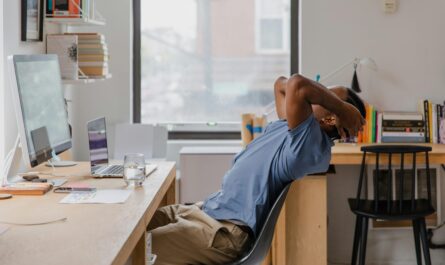
by There’s a moment many people recognize all too well. You’ve been sitting for a while—working, scrolling, resting—or lying down to relax or sleep. Everything feels manageable, even comfortable. But then you try to stand up or move, and suddenly your body protests. A sharp twinge in the lower back, stiffness in the knees, tightness in the hips, or an aching neck emerges out of nowhere. What was once mild or unnoticed pain now feels intense and limiting.
This experience can be confusing and frustrating. Why would pain feel worse after resting? Shouldn’t rest make things better?
The answer lies in how the human body functions. Despite the common belief that stillness equals recovery, the body is built for movement. When movement stops, even for relatively short periods, a series of physiological, mechanical, and neurological changes begin to unfold. These changes don’t necessarily cause damage—but they can amplify discomfort and make pain feel significantly worse when you start moving again.
Understanding why this happens is the first step toward managing it effectively.
The Body Is Designed for Movement, Not Stillness
The human body operates like a dynamic system where movement plays a central role in maintaining health. Muscles, joints, circulation, and even the nervous system depend on regular motion to function properly.
When you sit or lie down for extended periods, the body shifts into a low-activity state. Energy expenditure drops, muscles relax, and joint movement ceases. While this may feel restful, it also reduces the stimulation that tissues need to stay flexible, lubricated, and responsive.
Over time, this lack of movement begins to create subtle but impactful changes. These changes don’t always show up immediately, but they become noticeable the moment you try to move again.
Joint Stiffness and the “Gelling” Effect
One of the most immediate reasons pain feels worse after inactivity is joint stiffness. Inside your joints is a fluid called synovial fluid, which acts as a lubricant and shock absorber. It helps your joints move smoothly and without friction.
When you are active, this fluid circulates evenly, keeping the joint surfaces well-lubricated. However, during prolonged sitting or lying down, movement stops, and the fluid becomes less evenly distributed. It can also become slightly more viscous, meaning thicker and less effective at reducing friction.
As a result, when you begin to move again, your joints don’t glide as smoothly as they should. This creates a sensation of stiffness, resistance, and sometimes pain. Many people describe this as needing a few minutes to “loosen up,” which is exactly what’s happening—movement is redistributing the fluid and restoring normal joint function.
This phenomenon is especially noticeable in individuals with joint-related conditions, but it can happen to anyone after extended periods of inactivity.
Muscle Tightness and Imbalance
Muscles are highly adaptive. They respond to how they are used—or not used. When you remain in a fixed position for too long, certain muscles shorten while others become inactive.
For example, sitting for long hours typically causes the hip flexors to tighten while the gluteal muscles become less active. This imbalance shifts the alignment of the pelvis and increases strain on the lower back. Similarly, sitting with poor posture can cause the muscles in the neck and shoulders to tighten, leading to stiffness and discomfort.
When you finally stand or move, these tight or underactive muscles are suddenly required to perform. Because they are not in an optimal state, they may respond with pain or a pulling sensation.
Lying down can have a similar effect. While it reduces load on the body, it also decreases muscle engagement. Over time, this can lead to reduced muscle readiness, making movements feel harder and more painful when you get up.
Increased Pressure on the Spine
Sitting, particularly with poor posture, places significant stress on the spine. Many people assume sitting is less demanding than standing, but in reality, it can increase pressure on the intervertebral discs, especially in the lower back.
When you sit for prolonged periods:
- The spine often rounds forward
- Core muscles become less engaged
- Pressure builds in specific areas of the spine
This sustained pressure can irritate discs, joints, and surrounding tissues. When you finally stand up, the spine shifts position, and the irritated areas may respond with pain.
Lying down reduces spinal pressure, but the transition back to standing can still be uncomfortable. The sudden reintroduction of load, combined with stiff muscles, can create a noticeable spike in pain.
Reduced Circulation and Tissue Sensitivity
Movement plays a crucial role in maintaining healthy blood flow. When you are active, muscles contract and relax, helping pump blood throughout the body. This ensures that tissues receive oxygen and nutrients while waste products are removed efficiently.
During prolonged sitting or lying down, circulation slows. Blood flow becomes less dynamic, especially in areas under pressure, such as the lower back, hips, and legs.
This reduced circulation can lead to:
- A buildup of metabolic waste
- Increased tissue sensitivity
- A feeling of heaviness or stiffness
When you begin to move again, your body must rapidly restore circulation. This transition can feel uncomfortable and may temporarily increase pain before things improve.
Inflammation and Its Role in Post-Rest Pain
Inflammation is part of the body’s natural healing process, but it can also contribute to discomfort. During periods of inactivity, inflammatory substances can accumulate in certain areas, particularly if there is an underlying condition.
In some types of pain—especially inflammatory back pain—symptoms are known to worsen during rest and improve with movement. This is because activity helps disperse inflammatory chemicals and enhances circulation, reducing their concentration in any one area.
This is why many people report feeling worse in the morning after a night of sleep or after long periods of sitting. The body has been still, allowing inflammatory processes to build up, and movement is needed to restore balance.
Nervous System Sensitization
Pain is not just a physical sensation; it is also influenced by the nervous system. When the body remains in one position for too long, nerves can become more sensitive.
This doesn’t necessarily mean there is damage. Instead, it reflects a temporary increase in how strongly the nervous system responds to signals. When you move after being still, the nerves may interpret normal sensations as uncomfortable or even painful.
Additionally, certain positions can place mild pressure on nerves. For example, sitting for long periods can affect the sciatic nerve. While you may not notice it immediately, the irritation can become apparent when you stand or change position.
The Transition Effect: Why the First Movements Hurt Most
One of the most noticeable aspects of this type of pain is that it is often worst during the first few moments of movement. The initial steps after sitting or lying down can feel stiff, awkward, or painful—but then things gradually improve.
This happens because multiple systems are “restarting” at once:
- Joints begin redistributing fluid
- Muscles re-engage and lengthen
- Circulation increases
- The nervous system recalibrates
Once these processes are underway, movement becomes smoother and less painful. This is why many people feel significantly better after walking for a few minutes, even if the initial movement was uncomfortable.
Psychological Awareness of Pain
Another important factor is how we perceive pain during rest. When you are sitting quietly or lying down, there are fewer distractions. Your attention naturally shifts inward, making you more aware of bodily sensations.
This increased awareness can amplify the perception of pain. What might feel like mild discomfort during activity can feel more intense when you are still and focused on it.
In some cases, anticipation also plays a role. If you expect pain when standing up, your brain may heighten its sensitivity, making the experience feel worse than it actually is.
Everyday Experiences That Reflect This Pattern
This phenomenon shows up in many common situations:
- Standing up after a long meeting and feeling your lower back “lock”
- Getting out of bed and needing a few minutes before moving comfortably
- Feeling knee stiffness after sitting in a car for a long drive
- Experiencing neck pain after lying in one position for too long
These experiences are not random—they are consistent with how the body responds to inactivity.
When It Becomes a Concern
While occasional stiffness and discomfort after rest are normal, persistent or severe pain should not be ignored.
It may indicate underlying issues such as:
- Disc problems in the spine
- Joint degeneration
- Chronic muscle imbalances
- Nerve irritation
If the pain is intense, long-lasting, or accompanied by symptoms like numbness, tingling, or weakness, it is important to seek medical evaluation.
The Role of Movement in Prevention and Relief
If inactivity contributes to pain, then movement is the natural solution. Regular, gentle movement helps maintain joint lubrication, muscle flexibility, and healthy circulation.
Simple habits can make a significant difference:
- Standing up and stretching every 20–30 minutes
- Walking for a few minutes after sitting
- Performing light mobility exercises in the morning
- Maintaining good posture while sitting
Even small amounts of movement can interrupt the cycle of stiffness and prevent pain from building up.
A Balanced Approach to Rest and Activity
It’s important to understand that rest itself is not the enemy. The body needs rest for recovery, especially after injury or exertion. The problem arises when rest becomes prolonged and uninterrupted.
The goal is balance. Short periods of rest combined with regular movement create the optimal environment for the body to function well. This balance allows tissues to recover without becoming stiff or deconditioned.
Conclusion
Pain that feels worse after sitting or lying down is a common and often misunderstood experience. It is not necessarily a sign of damage, but rather a reflection of how the body responds to inactivity.
Joint stiffness, muscle tightness, reduced circulation, inflammation, and nervous system sensitivity all contribute to this phenomenon. Together, they create a temporary state where movement feels uncomfortable—especially at first.
The encouraging reality is that this type of pain is often manageable. By incorporating regular movement, improving posture, and understanding your body’s signals, you can reduce discomfort and regain confidence in your daily activities.
Your body is not failing you when it feels stiff after rest. It is simply reminding you of something fundamental: it was built to move.
Sources
Harvard Health Publishing – Don’t Take Back Pain Sitting Down; Scientific Reports – Prolonged sitting-induced back pain influences abdominal muscle thickness; Joint Pain Authority – Stiffness After Sitting Understanding the Gelling Phenomenon; Verywell Health – What Happens to the Body After Sitting Too Long; SELF – What Might Be Going On If Rest Makes Your Back Pain Worse