 by
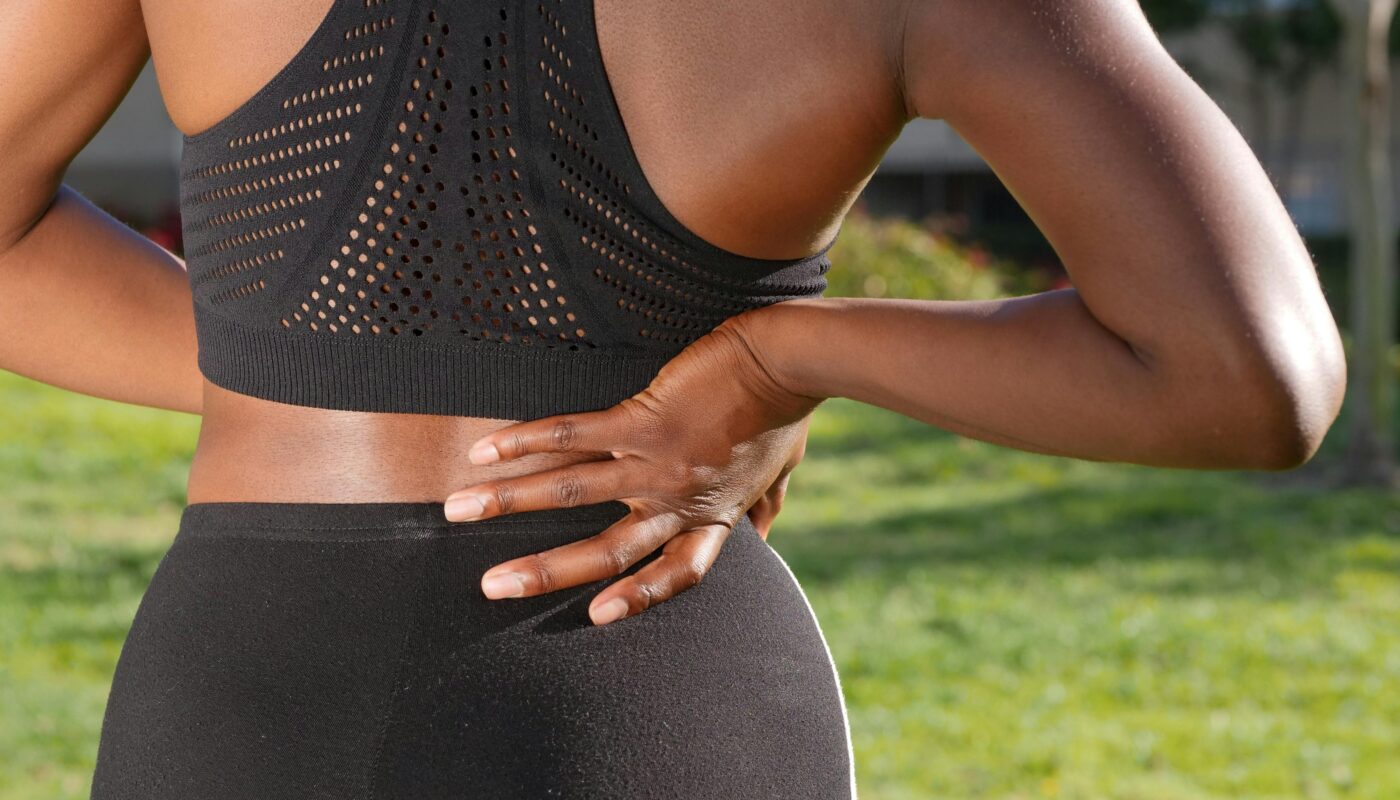
by Standing is one of the most natural human activities. It is something we do every single day without thinking about it. We stand while cooking, working, commuting, shopping, socializing, and even while waiting in lines. Yet for millions of people, standing is not effortless. It brings aching feet, burning calves, stiff knees, throbbing hips, and a deep, persistent lower back pain that worsens as the day goes on.
If you have ever wondered why something so basic can become so painful, you are not alone. The answer lies in how the body handles load, circulation, muscle endurance, posture, and joint mechanics. Standing may look passive, but physiologically it is an active process. Muscles fire continuously, joints bear compressive forces, blood must fight gravity, and small postural imbalances amplify strain over time. When these systems are stressed beyond their tolerance, pain develops.
Understanding why standing causes pain in the lower body is the first step toward preventing it, managing it, and regaining comfort.
Standing Is Not a Resting Position
Many people assume that standing is a “rest” position compared to walking or exercising. In reality, prolonged standing can be more fatiguing than light movement. When you walk, muscles contract and relax rhythmically. Blood circulates efficiently. Load shifts from one leg to the other in a dynamic pattern.
Standing still, however, is different. It requires static muscle contraction. Static contraction means muscles remain engaged without meaningful relaxation. The calves hold the ankle stable. The quadriceps stabilize the knees. The gluteal muscles support the pelvis. The lower back muscles maintain upright posture. These muscles are not cycling on and off; they are holding tension continuously.
Over time, this constant contraction restricts blood flow within muscle tissue. Reduced circulation limits oxygen delivery and slows removal of metabolic byproducts. The result is fatigue, heaviness, aching, and eventually pain. What feels like “just standing” is actually a sustained muscular effort that accumulates strain minute by minute.
The Role of Gravity in Lower Body Pain
Gravity plays a central role in why standing becomes uncomfortable. When you stand, your entire upper body weight is transmitted downward through the spine, pelvis, hips, knees, ankles, and into the feet. Every joint below the waist becomes a weight-bearing structure.
The lower body is designed to handle load, but it is designed to handle it dynamically. Movement distributes pressure across different surfaces of cartilage and soft tissue. When you remain stationary, compressive forces concentrate on specific joint areas. This prolonged compression can irritate cartilage, strain ligaments, and inflame surrounding tissues.
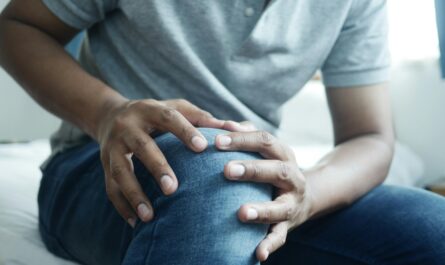
The knees and hips are especially vulnerable. In people with even mild cartilage wear, prolonged standing can accelerate discomfort because joint surfaces are pressed together continuously. The lower back also absorbs load as it maintains the natural curve of the spine. If posture is slightly off, certain spinal segments experience even greater pressure.
Over hours of standing, gravity essentially becomes a constant downward force that your lower body must resist without relief.
Foot Mechanics and the Foundation of Pain
The feet are the foundation of the entire body during standing. Each foot contains dozens of bones, joints, ligaments, and muscles designed to absorb and distribute load. When functioning well, the arches act like shock absorbers.
However, foot mechanics vary widely between individuals. Some people have high arches that do not distribute weight evenly. Others have flat feet that allow excessive inward rolling. Poorly supportive footwear can collapse natural alignment. Hard flooring surfaces provide no cushioning.
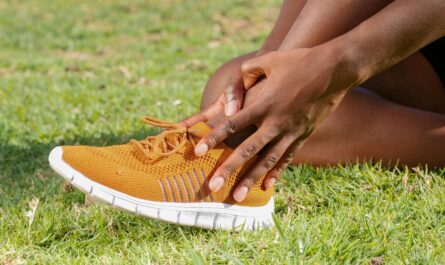
When weight is unevenly distributed, certain structures bear more pressure than they are designed to handle. The heel pad can become inflamed. The plantar fascia can tighten and ache. The forefoot may experience burning pain. As fatigue sets in, the intrinsic muscles of the feet struggle to stabilize the arch, leading to further strain.
Pain that begins in the feet often travels upward. If the foot collapses inward, the ankle rotates, the knee shifts alignment, and the hip compensates. What started as mild foot discomfort can evolve into knee pain or hip tension simply because the foundation is unstable.
Muscle Fatigue and Endurance Limits
Muscles are not designed for indefinite static holding. Every muscle has an endurance threshold. When standing extends beyond that threshold, fatigue occurs. Fatigue is not just tiredness; it is a physiological decline in muscle performance.
As muscles fatigue, they lose efficiency. They may tighten, tremble, or become painful. They may also fail to stabilize joints properly. For example, fatigued gluteal muscles may allow the pelvis to tilt slightly forward or to one side. This small shift increases stress on the lower back. Fatigued calf muscles may reduce ankle stability, causing subtle swaying that stresses knee joints.
Muscle fatigue also alters posture subconsciously. People shift their weight to one leg. They lock their knees. They lean forward or backward. These adjustments may provide temporary relief but create uneven loading patterns that intensify pain later.
The longer someone stands without moving, the more muscle fatigue accumulates, and the more likely pain becomes.
Circulatory Changes and Blood Pooling
Standing affects circulation in ways many people do not realize. Blood in the lower body must travel upward against gravity to return to the heart. When you move, muscle contractions help pump blood through the veins. This is sometimes referred to as the muscle pump mechanism.
When standing still, this pumping action is limited. Blood can pool in the lower legs and feet. Venous pressure increases. Fluid may leak into surrounding tissues, leading to swelling. Swollen tissues stretch and compress nearby nerves, creating sensations of throbbing, tightness, or burning.
This is why many people notice that their feet and ankles feel larger or tighter at the end of a long day of standing. It is also why elevating the legs often brings relief. By reducing gravitational pressure and assisting circulation, elevation allows pooled blood and fluid to return toward the heart.
Poor circulation does not cause all standing-related pain, but it significantly contributes to heaviness and discomfort in the lower limbs.
Joint Compression and Cartilage Stress
Joints are cushioned by cartilage and lubricated by synovial fluid. Movement helps distribute this lubrication and nourishes cartilage. When standing for prolonged periods, joints remain in a fixed position. Nutrient exchange slows. Compressive force remains constant.
In the knees, this compression occurs between the femur and tibia. In the hips, the femoral head presses into the acetabulum. In the spine, vertebral discs bear axial load. Over time, this compression can irritate joint surfaces, particularly in individuals with early degenerative changes.
Even in younger individuals without arthritis, joint structures can become temporarily inflamed from prolonged stress. The body responds with subtle inflammation, which produces pain signals. For people with preexisting osteoarthritis, standing pain may develop much more quickly because cartilage is already thinner and less resilient.
Posture and Alignment Influence
Standing posture determines how evenly forces are distributed. Ideally, weight should be balanced between both feet, knees slightly unlocked, pelvis neutral, shoulders relaxed, and head aligned over the spine.
In reality, many people adopt inefficient postures. Some lock their knees backward, increasing stress on ligaments. Others shift weight predominantly to one leg, overloading one hip and knee. Some tilt the pelvis forward excessively, straining the lower back. Others round their shoulders and lean forward, altering spinal alignment.
Even small misalignments magnify over time. An extra degree of knee hyperextension sustained for hours creates ligament strain. A slight pelvic tilt increases lumbar compression. Poor posture transforms normal standing into a high-stress activity.
Postural habits often develop unconsciously and are reinforced daily. Without awareness and correction, they contribute significantly to chronic lower body pain.
The Impact of Body Weight
Body weight directly affects standing discomfort. Increased body mass increases compressive force across weight-bearing joints. Each additional kilogram translates into multiplied force across knees and hips.
For example, during standing, knees bear a load several times body weight. Even modest weight increases amplify joint stress. Over time, this accelerates cartilage wear and increases inflammation risk.
Weight also influences muscle demand. Heavier bodies require more muscular effort to stabilize. This increases fatigue rate and reduces endurance during prolonged standing.
Weight is not the only factor, but it is an important contributor to mechanical load and pain development.
Occupational Standing and Cumulative Strain
Certain professions require prolonged standing without adequate breaks. Retail workers, factory employees, healthcare professionals, teachers, chefs, and hairdressers often stand for most of their shifts. Unlike casual standing at home, occupational standing may last six to ten hours daily.
The cumulative effect is significant. Daily exposure to static load reduces tissue recovery time. Micro-strains accumulate. Inflammation may become chronic. Over weeks or months, temporary discomfort can evolve into persistent pain.
Hard flooring surfaces in workplaces compound the problem. Concrete and tile floors provide minimal shock absorption. Without anti-fatigue mats or supportive footwear, the lower body absorbs constant impact and pressure.
Over time, this environment can predispose workers to plantar fasciitis, knee pain, hip strain, and lower back issues.
Why Pain Sometimes Improves with Movement
Interestingly, some people notice that walking briefly relieves standing pain. This is because movement restores circulation, redistributes joint load, and changes muscle activation patterns. Walking activates the calf pump, helping blood flow upward. It also alternates muscle contractions rather than holding them statically.
This phenomenon highlights a key principle: the body tolerates movement better than immobility. Prolonged static postures, even if they seem neutral, create stress that movement alleviates.
Psychological and Pain Perception Factors
Pain perception is influenced not only by mechanical factors but also by stress, fatigue, and mental strain. Standing for long hours in stressful environments may heighten pain sensitivity. Chronic stress increases muscle tension and amplifies the nervous system’s response to discomfort.
Sleep quality also affects pain tolerance. Individuals who are sleep-deprived often report heightened sensitivity to physical discomfort. Therefore, lower body pain from standing may feel worse when combined with psychological stress and inadequate rest.
Preventing and Reducing Standing-Related Pain
While standing pain has clear mechanical causes, it is not inevitable. Alternating posture regularly reduces static load. Shifting weight frequently prevents muscle fatigue from accumulating in one region. Supportive footwear redistributes pressure across the foot. Strengthening gluteal and core muscles improves endurance and joint stability. Stretching tight calves and hip flexors enhances alignment.
Workplace adjustments such as anti-fatigue mats, adjustable workstations, and scheduled movement breaks significantly decrease discomfort. Even brief two-minute movement intervals every half hour can reduce muscle fatigue and circulatory stagnation.
When Pain Signals Something More Serious
Occasional discomfort after prolonged standing is common. However, severe, persistent, or worsening pain warrants evaluation. Swelling that does not resolve, numbness, weakness, or sharp joint pain may indicate underlying conditions such as arthritis, nerve compression, or vascular problems.
Listening to the body’s signals is essential. Pain is a communication mechanism. When it becomes chronic, it is often a sign that load exceeds capacity.
Conclusion
Standing is a fundamental human activity, yet it places continuous demands on muscles, joints, circulation, and posture. Pain develops not because standing is unnatural, but because prolonged static load challenges the body’s tolerance limits.
Muscle fatigue, joint compression, poor circulation, inefficient posture, foot mechanics, body weight, and occupational exposure all interact to create lower body pain. The longer standing remains static and uninterrupted, the greater the strain becomes.
The encouraging reality is that small, consistent changes can dramatically reduce discomfort. Movement breaks, proper footwear, strengthening exercises, posture awareness, and supportive surfaces restore balance between load and recovery.
Standing does not have to mean suffering. By understanding the mechanisms behind lower body pain, you can take control, reduce strain, and stand with greater comfort and resilience.
Sources:
Journal of Occupational Health – Impact of Prolonged Standing on Musculoskeletal Symptoms; Mayo Clinic – Joint Pain and Standing; American Academy of Orthopedic Surgeons – Osteoarthritis and Weight-Bearing Stress; Foot & Ankle International – Effects of Footwear and Plantar Pressure Distribution