 by
by Lifting is a normal part of daily life. Whether you are carrying grocery bags, moving furniture, lifting a child, handling tools at work, or exercising in a gym, your body performs lifting movements regularly. While lifting can improve strength, independence, and overall health, it can also become a major source of pain when done incorrectly. Millions of people experience back pain, shoulder pain, knee discomfort, neck strain, and muscle injuries that can often be traced to poor lifting habits.
The good news is that most lifting-related pain is preventable. Safe lifting is not about avoiding physical activity. Instead, it involves understanding how the body works, respecting its limits, and using proper techniques that reduce unnecessary stress on muscles, joints, ligaments, and the spine.
Preventing pain while lifting safely requires more than simply bending your knees. It involves preparation, posture, strength, awareness, recovery, and consistency. Understanding these principles can help people remain active, productive, and pain-free while performing lifting tasks at home, at work, and during exercise.
Why Lifting Causes Pain
Pain during or after lifting occurs when body tissues are exposed to forces they cannot handle effectively. Sometimes this happens suddenly, such as when lifting a very heavy object. In many cases, however, pain develops gradually due to repeated poor movement patterns.
Common reasons lifting causes pain include:
- Poor posture during lifting
- Twisting while carrying weight
- Lifting loads that are too heavy
- Weak core muscles
- Muscle fatigue
- Poor flexibility
- Repetitive strain
- Sudden increases in activity
- Inadequate recovery between lifting sessions
The spine is particularly vulnerable because it acts as the central support structure during lifting. When body mechanics are inefficient, excessive pressure is placed on spinal discs, muscles, and ligaments.
Pain often develops because tissues are repeatedly overloaded beyond their ability to recover.
Understanding the Body’s Natural Lifting System
The human body is designed to lift. Several major muscle groups work together during lifting movements:
Legs
The quadriceps, hamstrings, and gluteal muscles generate most of the force needed to raise the body and the object.
Core
The abdominal and back muscles stabilize the spine and transfer force efficiently.
Upper Body
The shoulders, arms, and upper back guide and support the object being lifted.
Spine
The spine acts as a stable support column when proper alignment is maintained.
When all these components work together, lifting becomes efficient and safe. Problems arise when one area compensates for weakness or poor technique elsewhere.
Common Pain Areas Associated with Lifting
Lower Back Pain
The lower back is the most common site of lifting-related pain.
Contributing factors include:
- Rounding the back
- Lifting with straight legs
- Poor core stability
- Sudden heavy loads
- Repetitive bending
Lower back pain may range from mild stiffness to severe muscle spasms.
Neck Pain
Many people unknowingly tense their neck muscles while lifting. This excessive tension can cause:
- Muscle tightness
- Headaches
- Reduced mobility
- Persistent soreness
Shoulder Pain
Improper lifting techniques can overload shoulder structures.
Risk factors include:
- Reaching overhead
- Carrying uneven loads
- Poor posture
- Weak stabilizing muscles
Knee Pain
Although lifting with the legs is recommended, poor squat mechanics can stress the knees excessively.
Hip Pain
Weak hip muscles may cause compensatory movement patterns that lead to discomfort during lifting.
The Importance of Proper Lifting Mechanics
Good lifting mechanics distribute forces evenly throughout the body.
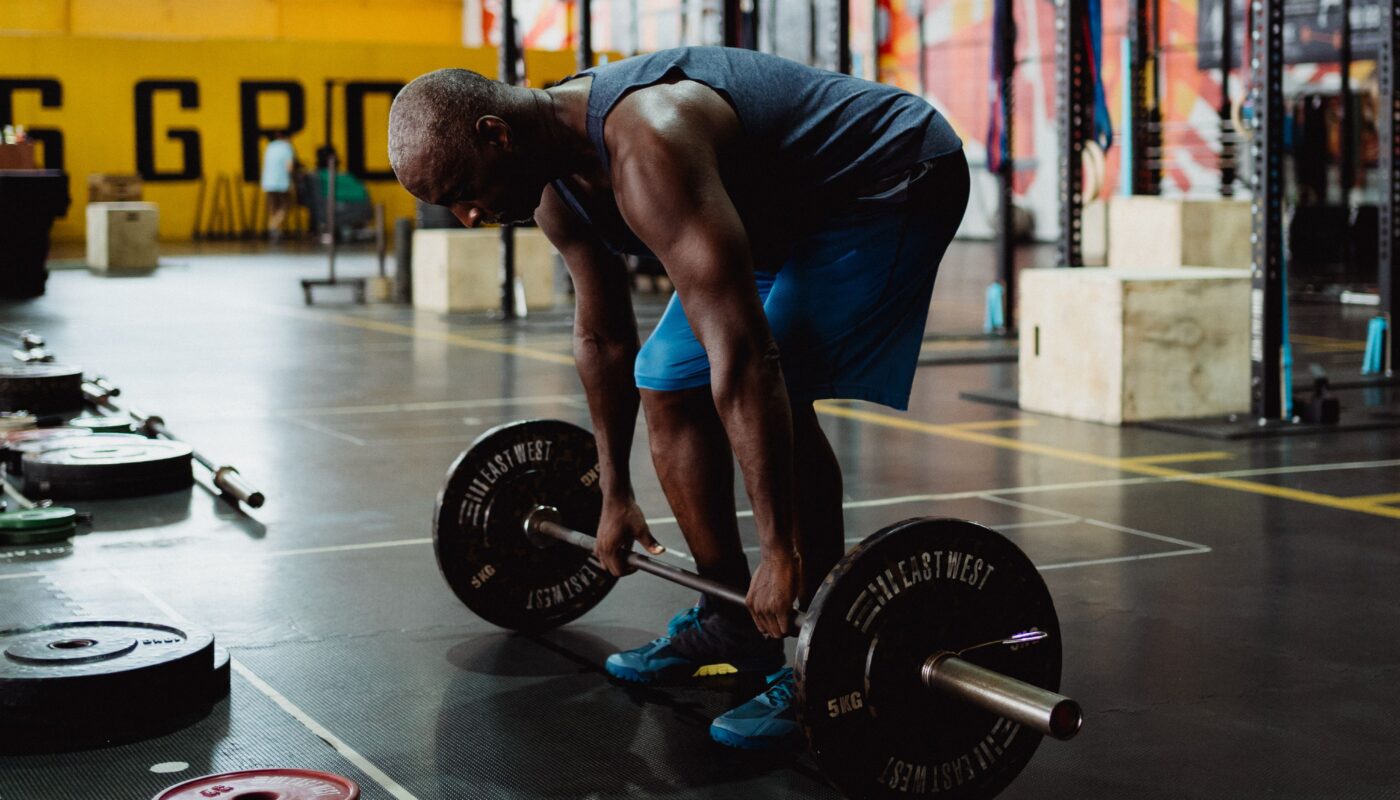
Safe lifting generally follows these principles:
Keep the Load Close
The farther an object is from your body, the greater the strain placed on your spine.
Holding an object close reduces leverage forces and decreases stress on muscles and joints.
Maintain a Neutral Spine
A neutral spine preserves the natural curves of the back.
Avoid excessive:
- Rounding
- Arching
- Twisting
Maintaining alignment allows the spine to handle loads more effectively.
Bend Through the Hips and Knees
Hip and knee joints are designed to generate powerful lifting forces.
Using the legs reduces strain on smaller structures in the lower back.
Avoid Twisting
Twisting while carrying weight significantly increases injury risk.
Instead:
- Turn your entire body
- Pivot with your feet
- Keep shoulders and hips aligned
Move Smoothly
Jerky, sudden movements create unnecessary stress.
Controlled lifting allows muscles to coordinate effectively and protect vulnerable tissues.
Preparing the Body Before Lifting
Many injuries occur because people begin lifting without preparing their bodies.
Warm Up First
A brief warm-up increases:
- Blood flow
- Muscle flexibility
- Joint mobility
- Neuromuscular coordination
Examples include:
- Walking
- Light squats
- Arm circles
- Hip movements
Even five minutes of preparation can improve lifting performance.
Assess the Load
Before lifting:
- Determine weight
- Identify grip points
- Check stability
- Plan the route
Knowing what to expect reduces sudden strain.
Test the Weight
If unsure about an object’s weight:
- Lift one corner first
- Assess resistance
- Adjust your strategy
Never assume an object is lighter than it appears.
Core Stability and Pain Prevention
The core functions as the body’s natural brace.
A strong core:
- Supports the spine
- Improves balance
- Enhances force transfer
- Reduces injury risk
Core stability involves more than visible abdominal muscles.
Important muscles include:
- Transverse abdominis
- Multifidus
- Pelvic floor muscles
- Diaphragm
- Obliques
Effective Core Exercises
Examples include:
- Planks
- Bird dogs
- Dead bugs
- Side planks
- Farmer carries
Consistent training improves lifting safety dramatically.
The Role of Hip Strength
Weak hips often contribute to pain during lifting.
Strong hip muscles:
- Generate power
- Stabilize the pelvis
- Reduce spinal stress
- Improve movement efficiency
Helpful exercises include:
- Glute bridges
- Squats
- Lunges
- Step-ups
- Hip thrusts
Strengthening the hips creates a more resilient lifting system.
Breathing Techniques That Reduce Pain
Many people hold their breath while lifting.
Improper breathing can:
- Increase tension
- Elevate blood pressure
- Reduce movement efficiency
Instead:
- Take a controlled breath before lifting.
- Brace the core gently.
- Exhale gradually during effort.
Proper breathing improves stability while reducing unnecessary strain.
Why Fatigue Increases Pain Risk
Fatigue changes movement patterns.
As muscles tire:
- Posture deteriorates
- Coordination decreases
- Stability declines
- Injury risk rises
Warning signs include:
- Loss of form
- Increased effort
- Shaking muscles
- Reduced concentration
Taking breaks before exhaustion occurs can prevent many lifting-related injuries.
Safe Lifting at Work
Many occupations involve repetitive lifting.
Examples include:
- Healthcare
- Construction
- Warehousing
- Manufacturing
- Retail
Workers often experience pain because lifting occurs repeatedly throughout the day.
Strategies include:
Rotate Tasks
Alternating activities reduces repetitive strain.
Use Mechanical Assistance
Equipment such as:
- Dollies
- Hoists
- Carts
- Lift tables
can dramatically reduce physical stress.
Team Lifting
When loads are heavy or awkward, teamwork improves safety.
Report Discomfort Early
Minor aches can become major injuries if ignored.
Early intervention often prevents chronic pain.
Safe Lifting During Exercise
Weight training provides significant health benefits when performed correctly.
Focus on Technique
Perfect technique should come before increasing weight.
Progress Gradually
Rapid increases in training load often cause pain.
A gradual progression allows tissues to adapt safely.
Prioritize Recovery
Recovery includes:
- Sleep
- Nutrition
- Hydration
- Rest days
Muscles become stronger during recovery, not during exercise itself.
Avoid Ego Lifting
Attempting weights beyond your capability increases injury risk significantly.
Consistency matters more than maximum weight.
Preventing Back Pain While Lifting
Back pain prevention requires attention to several key factors.
Strengthen Supporting Muscles
Strong:
- Core muscles
- Glutes
- Hip stabilizers
help distribute forces more effectively.
Improve Flexibility
Limited mobility can force the spine into poor positions.
Focus on flexibility in:
- Hips
- Hamstrings
- Ankles
- Thoracic spine
Maintain Healthy Body Weight
Excess body weight increases mechanical demands on the spine.
Stay Active
Regular movement helps maintain spinal health and tissue resilience.
Preventing Shoulder Pain During Lifting
Shoulders are highly mobile but relatively unstable joints.
Protect them by:
- Maintaining good posture
- Strengthening upper back muscles
- Avoiding excessive overhead lifting
- Using controlled movements
- Balancing pushing and pulling exercises
Strong shoulder stabilizers reduce strain on sensitive structures.
How Repetitive Lifting Creates Chronic Pain
Pain is not always caused by a single event.
Repeated lifting can gradually lead to:
- Tendon irritation
- Muscle overuse
- Joint stress
- Tissue inflammation
This process may occur over months or years.
Symptoms often begin as:
- Mild soreness
- Occasional stiffness
- Temporary discomfort
Ignoring these warning signs can allow chronic pain to develop.
Recognizing Early Warning Signs
The body often provides signals before significant injury occurs.
Pay attention to:
- Persistent soreness
- Reduced mobility
- Unusual weakness
- Tingling sensations
- Recurrent stiffness
- Increasing fatigue
Early adjustments are usually easier than recovering from a major injury.
The Importance of Recovery
Recovery is essential for pain prevention.
Tissues need time to:
- Repair microscopic damage
- Restore energy reserves
- Adapt to stress
Recovery strategies include:
Quality Sleep
Sleep supports tissue healing and nervous system recovery.
Hydration
Proper hydration helps maintain muscle function and joint health.
Nutrition
Protein, vitamins, minerals, and adequate calories support tissue repair.
Active Recovery
Light activity often improves circulation and reduces stiffness.
Examples include:
- Walking
- Stretching
- Gentle mobility exercises
Managing Existing Pain While Continuing to Lift
Some individuals experience ongoing pain but still need to perform lifting tasks.
Strategies include:
Modify Loads
Reduce weight temporarily when symptoms increase.
Improve Technique
Small improvements can significantly reduce pain.
Increase Rest Periods
Additional recovery may help tissues tolerate activity.
Seek Professional Guidance
Persistent pain may require assessment by a qualified healthcare professional.
The goal is often not complete avoidance but safer participation.
Psychological Factors in Lifting Pain
Pain is influenced by both physical and psychological factors.
Fear of movement can lead people to:
- Move stiffly
- Avoid activity
- Lose strength
- Develop greater sensitivity to pain
Education and gradual exposure to lifting can build confidence and improve outcomes.
Understanding that the body is adaptable often reduces anxiety surrounding lifting activities.
Special Considerations for Older Adults
Older adults can safely lift and benefit greatly from strength-based activities.
Benefits include:
- Improved independence
- Better balance
- Increased bone density
- Reduced fall risk
- Enhanced quality of life
Important considerations include:
- Gradual progression
- Adequate recovery
- Attention to technique
- Consistent strength training
Age alone should not prevent people from lifting safely.
Lifting Children Safely
Parents and caregivers frequently lift children multiple times daily.
Recommendations include:
- Squat rather than bend at the waist
- Hold children close to the body
- Avoid twisting
- Alternate carrying sides
- Strengthen core and hip muscles
These habits help prevent cumulative strain.
Creating a Long-Term Pain Prevention Strategy
Preventing pain while lifting safely requires a long-term approach rather than a temporary fix.
An effective strategy includes:
- Learning proper lifting mechanics.
- Strengthening key muscle groups.
- Improving flexibility and mobility.
- Using appropriate equipment when needed.
- Managing fatigue.
- Prioritizing recovery.
- Progressing gradually.
- Addressing pain early.
- Staying physically active.
- Maintaining consistency.
Small daily habits often produce the greatest long-term results.
When to Seek Medical Attention
Although most lifting-related discomfort improves with appropriate management, certain symptoms require prompt evaluation.
Seek medical care if pain is accompanied by:
- Severe weakness
- Loss of bladder or bowel control
- Significant numbness
- Persistent radiating pain
- Unexplained weight loss
- Fever
- Major trauma
These symptoms may indicate more serious conditions requiring professional assessment.
Conclusion
Lifting is an essential human movement that supports work, exercise, independence, and daily living. Pain does not have to be an inevitable consequence of lifting. By understanding body mechanics, strengthening supportive muscles, improving flexibility, managing fatigue, and practicing proper technique, individuals can dramatically reduce their risk of discomfort and injury.
Safe lifting is not simply about protecting the back. It involves caring for the entire movement system, including the hips, core, shoulders, knees, and nervous system. Consistent attention to lifting habits can help people remain active, productive, and confident throughout life.
Preventing pain while lifting safely is ultimately about combining knowledge with action. Small adjustments made today can prevent months or years of unnecessary discomfort in the future, allowing people to enjoy the benefits of movement without fear of pain.
Sources
National Institute for Occupational Safety and Health (NIOSH), Occupational Safety and Health Administration (OSHA), Mayo Clinic – Back Pain Prevention, Cleveland Clinic – Safe Lifting Techniques, Harvard Health Publishing – Protecting Your Back, National Health Service (NHS) Musculoskeletal Health Resources, American Academy of Orthopaedic Surgeons (AAOS), Spine-health Educational Articles.