Managing Pain That Appears After Inactivity
 by
by Pain is often associated with movement, exercise, heavy lifting, or physical strain. Yet many people experience the exact opposite problem: pain that develops after periods …
Understanding Pain. Managing Life Better.
Pain is often associated with movement, exercise, heavy lifting, or physical strain. Yet many people experience the exact opposite problem: pain that develops after periods …
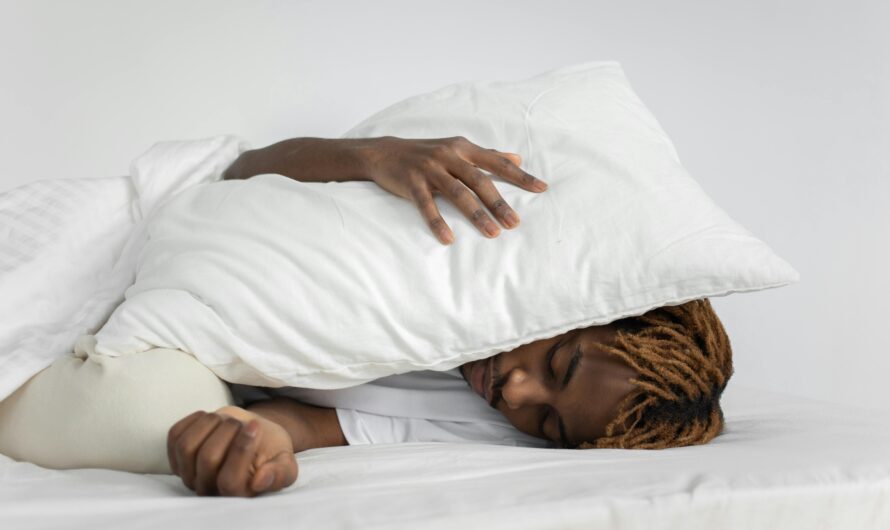
Sleep is supposed to be a time of healing, restoration, and relief. For many people living with pain, however, nighttime becomes one of the most …
Pain does not always arrive immediately after an injury, activity, or stressful event. Sometimes discomfort appears hours later. In other cases, it takes an entire …
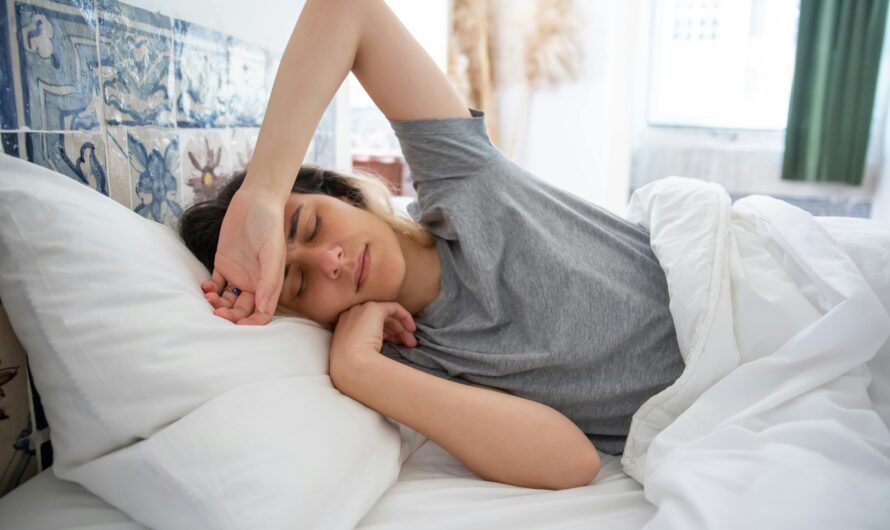
Morning pain can feel like waking up inside a body that no longer belongs to you. Before the day even begins, your muscles may feel …
Pain changes the way people think about movement, activity, and recovery. When discomfort appears, the natural instinct is often simple: stop moving, lie down, and …
Nerve pain has a way of changing the rhythm of a person’s life. During the day, distractions, movement, work, and social interaction can partially mask …
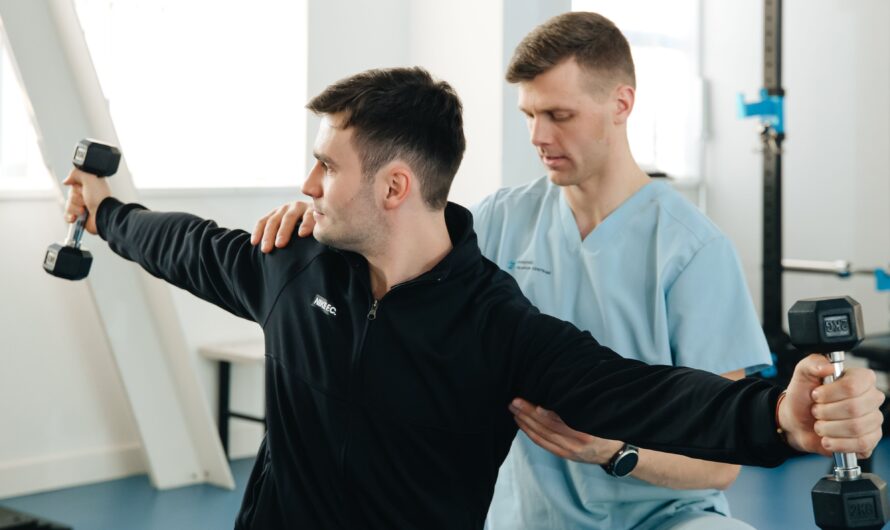
Physical activity is supposed to improve health, increase energy, strengthen muscles, and support long-term mobility. Yet for many people, exercise and movement come with an …
There are few things more discouraging than waking up already in pain. For many people, mornings are supposed to represent recovery. Sleep should restore the …
Pain is often associated with movement, injury, or overuse. Most people expect discomfort to appear after physical activity, lifting heavy objects, or straining muscles. But …
For many people, nighttime is supposed to be a period of recovery. The body slows down, muscles relax, and the nervous system shifts into repair …