 by
by Standing is something most people rarely think about—until it starts hurting. Whether you work in retail, healthcare, teaching, hospitality, construction, manufacturing, or spend long hours cooking, cleaning, or caregiving at home, standing pain can slowly become part of daily life. What begins as mild foot soreness or leg fatigue can gradually turn into aching knees, burning calves, stiff hips, swollen feet, lower back pain, or even exhaustion that follows you home every evening.
For many people, the pain is frustrating because standing is unavoidable. You cannot simply “stop standing” during work shifts, household responsibilities, commuting, or parenting. Over time, discomfort can affect mood, sleep quality, concentration, energy levels, and overall quality of life. Some people start changing how they walk or move just to avoid pain, which may create additional strain in other parts of the body.
The good news is that standing pain is often manageable. In many cases, the issue is not standing itself, but how long, how often, and under what conditions you stand. Small changes in footwear, movement habits, posture, flooring, work setup, recovery routines, and muscle conditioning can significantly reduce discomfort and improve endurance.
Research has shown that prolonged standing can contribute to musculoskeletal symptoms, especially in the lower back and lower limbs. Studies also suggest that uninterrupted standing beyond certain time periods increases the risk of pain and fatigue.
This article explores why standing pain happens, how it affects the body, and practical strategies for managing standing pain in everyday life.
Why Standing for Long Periods Causes Pain
At first glance, standing appears natural and harmless. However, the body works continuously while standing. Muscles must remain active to maintain posture, stabilize joints, and balance body weight. Blood circulation in the legs also works against gravity during prolonged standing.
When standing continues for long periods without enough movement or recovery, several physical problems can develop:
- Muscle fatigue
- Joint compression
- Reduced circulation
- Foot strain
- Tendon irritation
- Swelling
- Nerve irritation
- Postural imbalance
Unlike walking, prolonged standing is often static. Static postures place continuous stress on specific muscles and joints without giving them a chance to relax. Even subtle shifts in body position can eventually lead to fatigue.
Research reviewing prolonged standing found associations between standing and symptoms involving the low back and lower extremities. Researchers also suggested avoiding uninterrupted standing longer than around 40 minutes whenever possible.
Many people describe standing pain as:
- Heavy legs
- Burning feet
- Tight calves
- Aching lower back
- Throbbing knees
- Stiff hips
- Tingling sensations
- Fatigue that worsens throughout the day
The severity depends on several factors:
- Flooring hardness
- Footwear quality
- Body mechanics
- Body weight
- Existing joint conditions
- Muscle strength
- Recovery habits
- Work demands
- Age
- Previous injuries
Common Areas Affected by Standing Pain
Foot Pain
The feet absorb the entire weight of the body during standing. Hard floors increase pressure on the heels, arches, and forefoot. People commonly experience:
- Plantar fasciitis
- Heel pain
- Arch strain
- Burning sensations
- Metatarsal pain
Improper footwear is one of the biggest contributors. Shoes lacking support, cushioning, or proper fit can increase strain dramatically.
Knee Pain
Standing increases pressure on knee joints, especially when posture is poor or muscles become fatigued. Long standing hours may aggravate arthritis, patellar tracking issues, or tendon irritation.
Recent health reporting also highlights how prolonged standing may reduce joint lubrication and contribute to inflammation and muscle fatigue around the knees.
People often notice:
- Stiffness after shifts
- Pain climbing stairs
- Swelling
- Instability
- Aching around kneecaps
Lower Back Pain
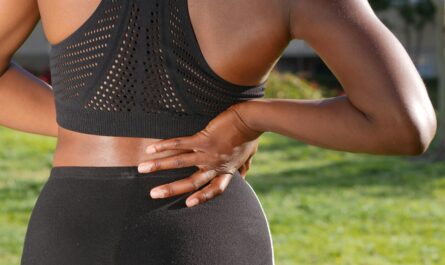
Lower back pain is extremely common among people who stand for work. Static standing increases spinal loading and muscle fatigue. Overarching the back, leaning forward, or locking the knees can worsen stress on the lumbar spine.
Studies show prolonged standing is associated with low back symptoms and muscular fatigue.
Hip and Pelvic Pain
Standing changes pelvic alignment and hip muscle activation. Weak glute muscles or tight hip flexors may create compensation patterns that increase pain over time.
Some individuals develop:
- Hip tightness
- Sacroiliac discomfort
- Groin pain
- Buttock pain
- Muscle imbalance
Leg Fatigue and Swelling
Standing reduces the effectiveness of blood return from the legs. This may lead to:
- Swollen ankles
- Heavy calves
- Varicose vein discomfort
- Fatigue
- Cramping
People who stand all day often notice symptoms worsen toward evening.
The Difference Between Healthy Standing and Harmful Standing
Standing itself is not inherently harmful. Problems arise when standing becomes:
- Too prolonged
- Too repetitive
- Too static
- Poorly supported
- Combined with fatigue and stress
The body thrives on movement variability. Alternating between sitting, walking, stretching, and standing helps distribute physical load more evenly.
One Reddit discussion summarized this well: humans are meant to move in different ways, not remain in one repetitive posture for hours.
This is why many experts recommend:
- Movement breaks
- Position changes
- Dynamic standing
- Weight shifting
- Walking intervals
The goal is not to avoid standing entirely but to reduce continuous strain.
Practical Strategies for Managing Standing Pain
1. Wear Proper Footwear
Footwear can either reduce or amplify standing pain.
Good shoes should provide:
- Arch support
- Cushioning
- Shock absorption
- Stability
- Proper width
- Heel support
Shoes that are too flat, too worn out, or too tight increase stress on joints and muscles.
People working long standing shifts should replace shoes regularly because cushioning materials degrade over time.
Research reviews suggest cushioned materials and supportive surfaces may reduce discomfort and fatigue among standing workers.
Helpful Footwear Tips
- Rotate shoes regularly
- Avoid overly hard soles
- Replace worn insoles
- Choose work-specific shoes
- Ensure enough toe room
- Avoid standing barefoot on hard floors for long periods
2. Use Anti-Fatigue Mats
Hard surfaces increase stress on the feet and spine. Anti-fatigue mats create softer support and encourage subtle muscle movement.
These mats may help:
- Reduce foot soreness
- Lower fatigue
- Improve comfort
- Reduce pressure on joints
Research has found moderate evidence supporting cushioned materials for reducing discomfort during prolonged standing.
Anti-fatigue mats are especially useful for:
- Kitchen work
- Retail counters
- Workshops
- Standing desks
- Factories
- Salons
3. Avoid Locking Your Knees
Many people unconsciously lock their knees while standing. This creates joint compression and reduces muscle engagement.
Instead:
- Keep knees soft
- Shift weight gently
- Alternate stance positions
- Use small movements frequently
This reduces stress on the lower back and improves circulation.
4. Shift Positions Frequently
The body dislikes static positions.
Even small changes help:
- Rock side to side
- Alternate feet
- Take mini walks
- Stretch calves
- Change posture every few minutes
Experts increasingly emphasize movement variation rather than maintaining one “perfect” posture all day.
5. Strengthen Supporting Muscles
Weak muscles fatigue faster during standing.
Strengthening key muscle groups improves endurance and stability:
- Glutes
- Core muscles
- Calves
- Hamstrings
- Quadriceps
- Foot muscles
Helpful exercises include:
- Bridges
- Squats
- Calf raises
- Planks
- Step-ups
- Balance exercises
Muscle conditioning helps distribute forces more effectively during standing.
6. Stretch Tight Areas Regularly
Tight muscles pull joints into stressful positions.
Commonly tight areas include:
- Calves
- Hip flexors
- Hamstrings
- Lower back
- Feet
Daily stretching may improve mobility and reduce tension accumulation.
Effective Standing-Pain Stretches
- Calf wall stretch
- Hamstring stretch
- Hip flexor stretch
- Cat-cow spinal movement
- Toe extension stretch
Gentle stretching during work breaks may prevent stiffness buildup.
7. Improve Standing Posture
Poor posture increases muscular strain.
Healthy standing posture generally includes:
- Neutral spine
- Relaxed shoulders
- Chin level
- Weight evenly distributed
- Slight knee bend
Avoid:
- Leaning on one hip
- Slouching
- Forward head posture
- Excessive arching
- Rounding shoulders
However, posture should remain dynamic—not rigid.
8. Alternate Between Sitting and Standing
Many people think standing all day is healthier than sitting all day. In reality, both extremes can create problems.
Recent reporting notes that excessive sitting and excessive standing may both contribute to musculoskeletal stress.
The healthiest approach is usually alternating positions.
For desk workers:
- Sit for part of the day
- Stand intermittently
- Walk regularly
- Change posture often
Even short movement breaks help circulation and reduce stiffness.
9. Manage Body Weight Carefully
Excess body weight increases pressure on:
- Feet
- Knees
- Hips
- Spine
Even modest weight reduction may reduce joint stress significantly.
However, pain management should not become solely focused on weight. Many individuals with healthy body weight also develop standing pain due to work demands and repetitive stress.
10. Improve Blood Circulation
Poor circulation contributes to:
- Swelling
- Heaviness
- Aching
- Fatigue
Helpful strategies include:
- Walking breaks
- Calf raises
- Compression socks
- Elevating legs after work
- Staying hydrated
Moving the ankle muscles acts like a pump that helps blood return from the legs.
11. Pace Your Activities
Many people push through standing pain until symptoms become severe.
Instead:
- Take brief breaks early
- Change tasks when possible
- Alternate physical demands
- Sit periodically
- Avoid “all-or-nothing” activity patterns
Consistent pacing prevents overload accumulation.
12. Pay Attention to Flooring
Hard concrete floors increase impact stress significantly.
If possible:
- Add floor mats
- Wear cushioned footwear
- Use supportive insoles
- Change workstations
- Avoid thin-soled shoes
Flooring plays a larger role in pain than many people realize.
13. Address Stress and Fatigue
Stress increases muscle tension and pain sensitivity.
When tired or stressed, people:
- Move less efficiently
- Maintain tense postures
- Recover more slowly
- Experience amplified pain
Sleep quality, emotional stress, and recovery time strongly influence physical discomfort.
Standing Pain at Work
Occupational standing pain is extremely common.
High-risk professions include:
- Nurses
- Retail workers
- Teachers
- Hair stylists
- Chefs
- Warehouse workers
- Factory workers
- Security staff
- Pharmacists
Workers often feel trapped because standing is part of the job.
Workplace Strategies
- Request anti-fatigue mats
- Rotate duties
- Use sit-stand options
- Take micro-breaks
- Wear supportive shoes
- Stretch during breaks
- Use footrests when possible
Small ergonomic improvements can have major long-term benefits.
When Standing Pain May Signal a Bigger Problem
Not all standing pain is harmless.
Seek medical evaluation if you experience:
- Severe swelling
- Numbness
- Weakness
- Sudden pain
- Redness or warmth
- Loss of balance
- Persistent pain despite rest
- Night pain
- Difficulty walking
- Progressive worsening
Underlying conditions may include:
- Arthritis
- Nerve compression
- Circulatory disorders
- Tendon injuries
- Stress fractures
- Varicose vein disease
- Spinal conditions
Persistent symptoms deserve proper assessment.
Recovery After Long Standing Days
Recovery matters as much as prevention.
Helpful recovery methods include:
- Elevating legs
- Gentle walking
- Stretching
- Warm baths
- Foam rolling
- Hydration
- Sleep optimization
- Light mobility exercises
Avoid collapsing into complete immobility after work. Gentle movement usually helps circulation and stiffness.
The Emotional Impact of Standing Pain
Standing pain is not only physical.
Chronic discomfort can affect:
- Mood
- Patience
- Sleep
- Social life
- Productivity
- Motivation
Many people feel frustrated when pain becomes part of routine life. Some begin avoiding activities they once enjoyed because their legs or back already hurt from work.
This emotional burden is real and important. Pain management should focus on improving function and quality of life—not merely “pushing through.”
Why Early Intervention Matters
Ignoring standing pain often allows small issues to become chronic problems.
Early management can prevent:
- Compensatory movement patterns
- Chronic inflammation
- Muscle imbalances
- Mobility limitations
- Long-term joint stress
Addressing discomfort early is easier than treating severe chronic pain later.
Building a Sustainable Daily Routine
Managing standing pain usually requires consistency rather than one perfect solution.
A sustainable approach may include:
- Supportive footwear
- Frequent movement
- Strength training
- Stretching
- Better recovery
- Ergonomic changes
- Stress management
- Gradual conditioning
The goal is not perfection. It is reducing cumulative strain while improving resilience.
Many people discover that combining several small improvements works better than relying on one major intervention.
Final Thoughts
Standing is a normal part of life, but prolonged standing under poor conditions can place considerable stress on the body. Feet, knees, hips, legs, and the lower back are especially vulnerable when standing becomes repetitive, static, and unsupported.
Fortunately, standing pain is often manageable with practical lifestyle adjustments. Better shoes, movement variation, posture awareness, muscle strengthening, anti-fatigue surfaces, pacing, and recovery habits can significantly reduce discomfort and improve daily function.
The body generally responds best to balance—not endless sitting and not endless standing. Regular movement, posture variation, and supportive habits help reduce overload and maintain physical health over time.
If standing pain persists, worsens, or interferes with daily activities, seeking professional evaluation is important. Early care can prevent minor discomfort from turning into long-term limitations.
Sources
Applied Ergonomics, PubMed, ScienceDirect, Monash University Research, Nature Index, Gait & Posture, Verywell Health, Reddit Ergonomics Discussions