 by
by Lifting is one of the most common physical activities people perform every day, yet it is also one of the easiest ways to trigger pain. From carrying grocery bags and lifting children to moving laundry baskets, office boxes, furniture, or workplace materials, daily lifting tasks place constant stress on muscles, joints, ligaments, and the spine. Many people assume pain only comes from lifting something extremely heavy, but that is not always true. Repeated small lifting movements performed incorrectly can slowly overload the body and create chronic discomfort over time.
Pain during lifting tasks affects people across all age groups and occupations. Office workers may strain their backs while moving equipment. Parents often develop shoulder or lower back pain from carrying children. Healthcare workers experience repeated strain from assisting patients. Warehouse workers, cleaners, delivery personnel, and construction workers commonly develop musculoskeletal pain from repetitive lifting. Even simple household chores such as taking out the trash or carrying shopping bags can become painful when the body is fatigued, poorly conditioned, or recovering from previous injury.
One important truth about lifting pain is that avoiding all lifting is rarely the long-term answer. The human body is designed to move, carry, bend, and adapt to physical demands. Completely avoiding movement may weaken muscles, reduce joint stability, and increase fear around activity. Instead, the goal should be learning how to manage lifting tasks in ways that reduce strain, improve body mechanics, and support recovery without giving up independence or daily function.
Understanding why pain happens during lifting tasks is the first step toward managing it effectively. The body works as a connected system. When one area becomes weak, stiff, fatigued, or overloaded, another area often compensates. For example, weak hip muscles may force the lower back to absorb more lifting stress. Tight shoulders may alter how objects are carried. Poor balance or fatigue may cause twisting movements that irritate spinal tissues. Pain is rarely caused by one single factor alone.
Research in occupational health and ergonomics shows that repetitive lifting, awkward postures, twisting motions, and carrying loads far from the body significantly increase the risk of musculoskeletal pain and injury. This is especially true when people are rushed, distracted, fatigued, or attempting to lift more than their body can safely manage.
Why Daily Lifting Tasks Cause Pain
Daily lifting pain often develops because of accumulated stress rather than one dramatic injury. The body can usually tolerate occasional heavy effort, but repeated strain without recovery creates irritation over time. Muscles become tight, tendons become inflamed, joints become overloaded, and protective muscle guarding may appear.
Several common factors contribute to lifting-related pain:
Repetitive Motion
Performing the same lifting movement repeatedly places stress on the same tissues again and again. This is common in workplaces where employees lift boxes, tools, patients, or materials throughout the day. Even repetitive household activities can contribute to pain when recovery time is limited.
Poor Body Mechanics
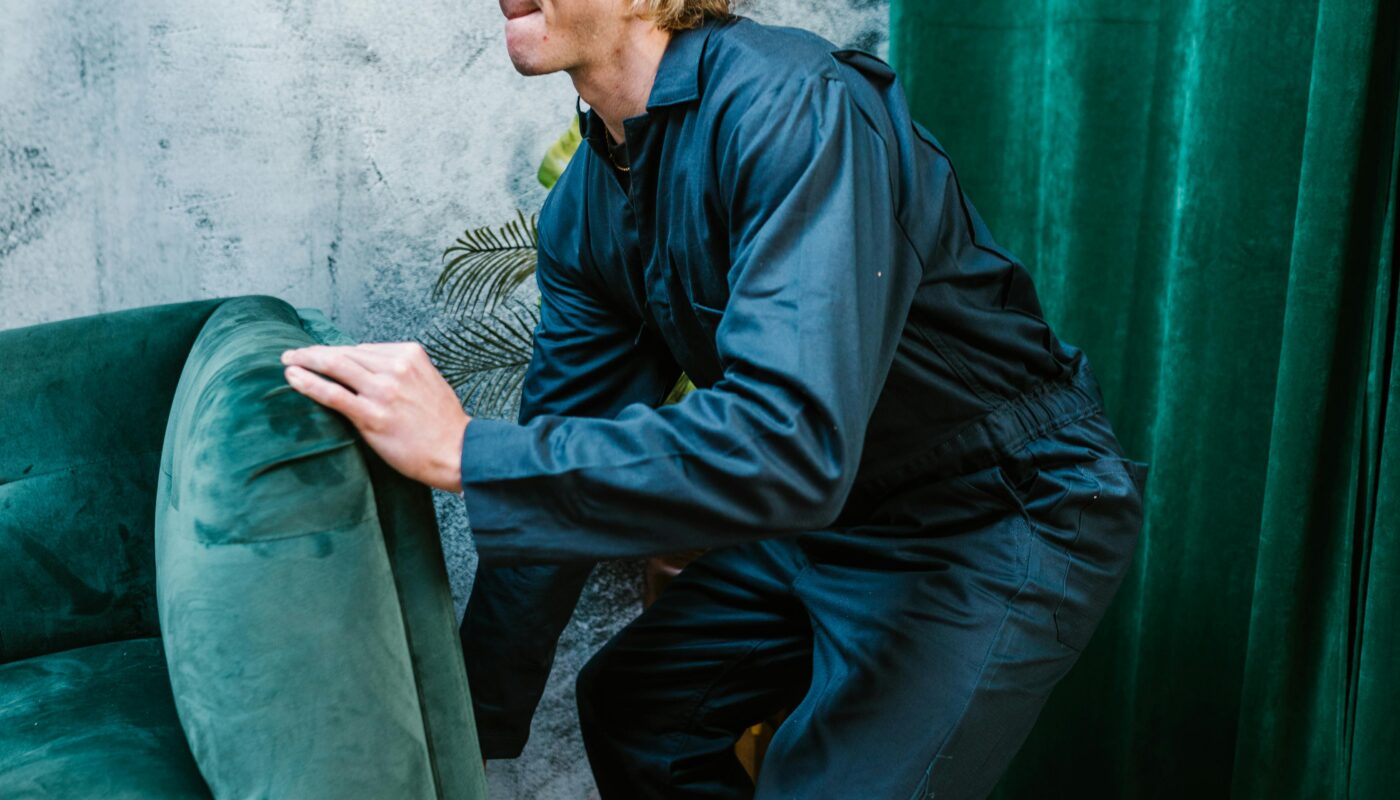
Many people lift using their back instead of distributing force through the hips and legs. Twisting while lifting, bending forward with straight legs, or carrying objects far from the body increases stress on the spine. Ergonomic guidance consistently recommends keeping loads close to the body and avoiding twisting during lifting tasks.
Weak Supporting Muscles
The core, hips, glutes, and legs play major roles in lifting stability. When these muscles are weak or poorly coordinated, smaller spinal muscles may become overloaded.
Fatigue
Fatigue changes movement patterns. At the end of a long day, people tend to bend more carelessly, react slower, and rely on poor posture. This increases lifting strain significantly.
Previous Injuries
Old back injuries, shoulder strains, or joint problems can make tissues more sensitive to repeated loading. Scar tissue, muscle guarding, or reduced mobility may alter how the body handles lifting.
Stress and Muscle Tension
Mental stress often increases physical muscle tension. Tight shoulders, clenched muscles, and shallow breathing patterns can make lifting movements less efficient and more painful.
Common Areas Affected by Lifting Pain
Lower Back
The lower back is the most common area affected during lifting tasks. The lumbar spine absorbs significant force when people bend forward, twist, or lift objects away from the body. Pain may feel sharp, dull, stiff, tight, or radiating.
Shoulders
Lifting overhead objects or carrying heavy loads can irritate shoulder tendons and muscles. Shoulder pain may worsen during reaching or carrying activities.
Knees
Improper lifting mechanics can overload the knees, especially when people squat awkwardly or repeatedly kneel during lifting tasks.
Neck and Upper Back
Tension often builds in the upper back and neck during prolonged carrying or awkward lifting postures.
Wrists and Hands
Gripping heavy objects tightly can strain the wrists, fingers, and forearms, particularly during repetitive tasks.
The Emotional Impact of Lifting Pain
Pain during daily lifting tasks affects more than physical comfort. Many people begin worrying about becoming injured again. They may lose confidence in movement and start avoiding activities they once handled easily.
Parents may feel frustrated when lifting children becomes painful. Workers may fear losing productivity or employment. Older adults may worry about losing independence. Over time, fear and avoidance can reduce activity levels and increase physical deconditioning.
Pain-related fear often creates a cycle:
- Pain occurs during lifting
- Movement becomes associated with danger
- Activity decreases
- Muscles weaken and stiffness increases
- Everyday lifting feels harder
- Pain becomes more frequent
Breaking this cycle requires gradual, safe movement rather than complete avoidance.
Recognizing Warning Signs
Not all lifting pain is dangerous, but some symptoms require medical evaluation.
Seek professional medical attention if lifting pain includes:
- Sudden severe weakness
- Loss of bladder or bowel control
- Numbness in the groin area
- Severe radiating pain down both legs
- Fever with back pain
- Major trauma or falls
- Progressive numbness or paralysis
- Unexplained weight loss
- Persistent night pain
Most routine lifting-related pain improves with proper management, movement modification, and recovery strategies.
Safe Lifting Principles
Safe lifting does not mean lifting perfectly every single time. Human movement naturally varies. However, several principles consistently reduce unnecessary strain.
Keep Loads Close to the Body
Objects held far from the body create greater spinal stress. Holding items close reduces leverage forces and improves control. Ergonomic recommendations strongly emphasize minimizing reaching during lifting tasks.
Avoid Twisting While Lifting
Twisting under load increases stress on spinal tissues. Instead of rotating the torso, move the feet and turn the entire body.
Use the Hips and Legs
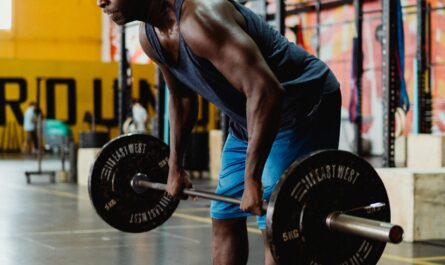
The hips and legs contain powerful muscles designed for force production. Bending through the hips and knees distributes force more effectively than relying entirely on the lower back.
Lift Smoothly
Jerking movements create sudden force spikes. Slow, controlled lifting reduces strain.
Test the Weight First
Many injuries happen because people underestimate object weight. Before fully lifting, gently test the load.
Ask for Help When Needed
Attempting to prove strength often leads to injury. Team lifting or using equipment is often safer and more efficient.
Break Large Loads into Smaller Loads
Making multiple trips may feel inconvenient, but it significantly reduces strain.
Managing Pain During Household Lifting Tasks
Grocery Bags
Instead of carrying all bags at once, distribute weight evenly between both hands. Use reusable bags with comfortable handles or rolling carts when possible.
Laundry
Avoid lifting overloaded baskets. Consider placing laundry baskets on elevated surfaces to reduce repeated bending.
Child Carrying
Parents frequently develop pain from carrying children on one hip. Switching sides regularly and using supportive carriers may reduce strain.
Cleaning Tasks
Vacuuming, mopping, and moving furniture involve repetitive bending and reaching. Frequent posture changes and short rest breaks help reduce muscle overload.
Yard Work
Gardening, lifting soil bags, and moving tools can stress the back and shoulders. Using long-handled tools and pacing activities helps reduce irritation.
Managing Pain in Workplace Lifting Tasks
Occupational lifting tasks are among the leading causes of musculoskeletal pain worldwide. Research-based guidelines emphasize reducing workload, improving ergonomics, and minimizing repetitive strain.
Organize the Environment
Keeping frequently used items at waist height reduces repeated bending and reaching.
Use Mechanical Assistance
Carts, dollies, lifting devices, pallet jacks, and adjustable workstations reduce physical stress significantly.
Rotate Tasks
Repeating identical lifting tasks for hours increases tissue fatigue. Task variation reduces repetitive overload.
Pace Physical Demands
Working too quickly often leads to careless movement and excessive strain.
Take Short Recovery Breaks
Brief movement breaks help reduce stiffness and muscle fatigue.
Communicate Early
Reporting pain early may prevent small problems from becoming major injuries.
The Role of Strength in Preventing Lifting Pain
Many people believe pain means they should avoid strengthening exercises. In reality, gradual strengthening often improves lifting tolerance and reduces injury risk.
Stronger muscles improve:
- Joint stability
- Balance
- Movement efficiency
- Load tolerance
- Endurance
- Confidence in movement
Exercises that commonly help lifting tolerance include:
- Squats
- Hip hinges
- Bridges
- Step-ups
- Core stabilization exercises
- Farmer carries
- Resistance band exercises
Strengthening should begin gradually and progress carefully. Pain during exercise does not always mean damage, but severe or worsening pain should not be ignored.
Why Core Stability Matters
The core includes abdominal muscles, spinal stabilizers, pelvic muscles, and the diaphragm. These muscles help transfer force throughout the body during lifting tasks.
Poor core control may increase spinal stress during bending and carrying activities. However, core stability is not about constantly “bracing” the stomach aggressively. Normal breathing and coordinated movement are equally important.
Gentle core exercises may include:
- Dead bugs
- Bird dogs
- Modified planks
- Controlled breathing exercises
- Pelvic tilts
The Importance of Hip Mobility
Tight hips force the spine to compensate during lifting tasks. Improving hip mobility allows the body to bend more efficiently.
Helpful mobility exercises may include:
- Hip flexor stretches
- Hamstring mobility work
- Gentle squats
- Dynamic lunges
- Controlled hip hinges
Managing Pain Flare-Ups
Even with good habits, occasional flare-ups happen. A pain flare-up does not necessarily mean serious injury. It often reflects temporary tissue irritation or muscle guarding.
During flare-ups:
- Reduce load temporarily
- Continue gentle movement
- Avoid complete bed rest
- Use heat or cold if helpful
- Focus on posture variation
- Break tasks into smaller sessions
- Resume normal activity gradually
Complete inactivity often worsens stiffness and prolongs recovery.
Sleep and Recovery
Poor sleep increases pain sensitivity and slows tissue recovery. People with chronic lifting pain often experience disrupted sleep because of discomfort or muscle tension.
Improving sleep habits may reduce pain intensity:
- Maintain regular sleep schedules
- Reduce screen exposure before bed
- Use supportive sleep positions
- Limit caffeine late in the day
- Manage stress levels
Recovery is just as important as physical effort.
Nutrition and Hydration
Muscles and connective tissues function better when properly nourished and hydrated. Dehydration may increase fatigue and muscle cramping during physical work.
A balanced diet containing protein, fruits, vegetables, healthy fats, and sufficient fluids supports tissue recovery and energy levels.
The Role of Fear in Lifting Pain
Fear of movement often develops after painful lifting experiences. Some people become extremely cautious and stop lifting almost entirely. While understandable, excessive avoidance may increase weakness and sensitivity.
Gradual exposure to lifting tasks helps rebuild confidence. Starting with light objects and slowly progressing weight allows the nervous system to relearn that movement can be safe.
Pain does not always equal damage. Sensitive tissues and protective muscle responses can create discomfort even when serious injury is absent.
When Professional Help May Be Useful
Professional support may help when:
- Pain lasts several weeks
- Daily function becomes difficult
- Movement fear becomes overwhelming
- Pain repeatedly returns
- Weakness or mobility loss develops
- Work duties become difficult
Healthcare professionals who may assist include:
- Physical therapists
- Occupational therapists
- Physicians
- Ergonomic specialists
- Sports medicine professionals
Guided rehabilitation often improves movement confidence and function.
Lifting Pain in Older Adults
As people age, muscles lose strength and connective tissues become less elastic. However, older adults still benefit greatly from movement and strength training.
Avoiding lifting entirely may accelerate weakness and loss of independence. Safe, gradual strengthening helps older adults maintain mobility and confidence in daily activities.
Simple adjustments can make lifting safer:
- Use rolling carts
- Raise objects to waist height
- Improve lighting
- Wear supportive footwear
- Reduce clutter
- Pace physical tasks
Maintaining activity remains essential for long-term health.
Technology and Modern Ergonomic Solutions
Modern workplaces increasingly use ergonomic equipment to reduce lifting-related pain and injury risk. Research continues exploring wearable assistive devices and lifting-support technologies.
Examples include:
- Adjustable lift tables
- Powered lifting devices
- Exoskeleton supports
- Smart ergonomic monitoring systems
- Mechanical patient transfer devices
These tools are not replacements for proper movement habits, but they may reduce physical workload during repetitive lifting tasks.
Real-World Lessons From Workers and Communities
Community discussions among workers consistently highlight several practical lessons:
- Do not rush lifting tasks
- Ask for help earlier
- Use available equipment
- Keep loads close
- Avoid twisting
- Build strength gradually
- Respect fatigue levels
Many experienced workers emphasize that trying to appear strong often leads to preventable injury.
Interestingly, modern discussions around lifting biomechanics also recognize that the body is adaptable and strong. The goal is not to move with fear, but to improve movement quality, conditioning, and load management.
Building a Sustainable Lifting Routine
Managing pain during lifting tasks is rarely about finding one perfect technique. It involves building sustainable habits over time.
Helpful long-term strategies include:
- Staying physically active
- Strengthening regularly
- Improving flexibility gradually
- Sleeping well
- Managing stress
- Pacing demanding activities
- Using ergonomic tools
- Respecting fatigue
- Seeking help early when pain worsens
Consistency matters more than perfection.
The Importance of Movement Confidence
Confidence in movement is an important but often overlooked factor in pain management. People who trust their bodies tend to move more naturally and efficiently. Those who fear pain often become stiff, guarded, and tense, which may actually increase strain.
Gradual exposure to lifting tasks can rebuild trust in the body. Small successes matter. Carrying lighter loads comfortably, improving posture awareness, or completing chores with less pain can create meaningful progress over time.
Final Thoughts
Daily lifting tasks are unavoidable parts of life. Whether carrying groceries, lifting children, moving boxes, or performing physical work, the body constantly adapts to mechanical demands. Pain during lifting tasks can feel frustrating, limiting, and emotionally exhausting, especially when it interferes with work, independence, or family responsibilities.
Fortunately, most lifting-related pain can be improved through practical changes rather than complete avoidance. Understanding body mechanics, reducing unnecessary strain, improving strength, managing fatigue, and building confidence in movement all contribute to better long-term outcomes.
The goal is not to eliminate all physical effort from life. Movement is essential for health. Instead, the focus should be learning how to move smarter, recover better, and respect the body’s limits without becoming fearful of activity itself.
With gradual adjustments, consistent movement, and proper recovery strategies, many people can continue performing daily lifting tasks more comfortably, safely, and confidently.
Sources
OSHA Ergonomic Solutions for Back Safety, OSHA Proper Lifting Techniques: Safe Lifting Ergonomics, MedlinePlus Lifting and Bending the Right Way, WHO Unsafe Patient Handling, An Evidence-Based Multidisciplinary Practice Guideline to Reduce the Workload due to Lifting for Preventing Work-Related Low Back Pain, Ergonomics in Manual Lifting and Load Handling Literature Review, Reddit discussions from r/Carpentry, r/Photoassistants, r/lifehacks, and r/SafetyProfessionals