 by
by Standing is one of the most natural things the human body does. It seems effortless until it isn’t. For millions of people, prolonged standing leads to aching feet, sore legs, stiff knees, tight hips, lower back discomfort, and overall fatigue that can affect work, hobbies, and quality of life. Whether you are a healthcare worker, teacher, cashier, factory employee, chef, retail associate, security guard, parent, or someone who spends hours standing during daily activities, standing pain can gradually become a frustrating part of life.
The good news is that standing pain is often preventable. In many cases, it doesn’t require expensive equipment or major lifestyle changes. Small, intentional adjustments to posture, footwear, movement habits, workstations, and daily routines can significantly reduce discomfort while protecting your muscles and joints from unnecessary stress.
This guide explores why standing becomes painful, which body parts are most affected, and the simple yet effective adjustments that help reduce pain throughout the day.
Why Standing Can Become Painful
Although standing appears passive, it actually requires constant muscle activity. Numerous muscles work together to maintain balance, stabilize joints, and keep the body upright.
When standing for extended periods, several challenges develop:
- Muscles become fatigued.
- Blood pools in the lower limbs.
- Joint pressure gradually increases.
- Ligaments experience continuous tension.
- Small stabilizing muscles become overworked.
- Poor posture places uneven stress on specific body regions.
Unlike walking, where muscles alternately contract and relax, prolonged standing often keeps many muscles in a static contraction. This sustained workload eventually leads to soreness and fatigue.
Common Areas Affected by Standing Pain
Standing discomfort rarely affects only one location. Pain often spreads throughout the body’s kinetic chain.
Feet
The feet absorb the entire body weight with every second spent standing.
Common foot complaints include:
- Heel pain
- Burning sensations
- Arch pain
- Ball-of-foot discomfort
- Swelling
- Fatigue
Hard flooring significantly increases foot stress because it reduces natural shock absorption.
Ankles
Standing without movement reduces circulation around the ankles. Swelling and stiffness may develop, especially later in the day.
Calves
Calf muscles act as a secondary pump that helps return blood to the heart. Remaining motionless reduces this pumping action, causing muscle fatigue and heaviness.
Knees
Locked knees transfer body weight directly into the joint surfaces. Over time this increases compression and discomfort.
Hips
Weak hip muscles force surrounding structures to compensate, leading to aching around the outer hips, groin, or buttocks.
Lower Back
The lower back is one of the most common areas affected by prolonged standing.
Excessive arching, slouching, or leaning onto one leg increases spinal compression and muscle fatigue.
Neck and Shoulders
Standing while working at computers, serving customers, cooking, or assembling products often causes people to round their shoulders and crane their necks forward, creating additional discomfort.
Understanding Static Loading
One of the primary reasons prolonged standing hurts is a phenomenon known as static loading.
Static loading occurs when muscles stay contracted without adequate relaxation.
Imagine holding a grocery bag in one position for twenty minutes. Eventually your arm begins to ache despite not moving.
The same process occurs throughout the body while standing.
Without periodic movement:
- Oxygen delivery decreases.
- Waste products accumulate.
- Muscle fatigue develops.
- Pain receptors become more sensitive.
Simply changing positions regularly interrupts static loading and dramatically reduces discomfort.
The Importance of Good Standing Posture
Perfect posture isn’t about standing rigidly.
Instead, aim for a balanced, relaxed alignment.
Good standing posture includes:
- Head centered above shoulders
- Relaxed shoulders
- Neutral spine
- Slight bend in the knees
- Weight evenly distributed between both feet
- Feet approximately shoulder-width apart
- Relaxed abdominal muscles with gentle core engagement
Small posture improvements decrease joint stress throughout the entire body.
Avoid Locking Your Knees
Many people unconsciously lock their knees while standing.
Locked knees:
- Reduce muscle activity
- Increase joint compression
- Restrict circulation
- Cause fatigue faster
Instead:
Maintain a very slight bend in both knees.
This allows muscles to absorb forces rather than placing excessive pressure directly into the joints.
Shift Your Weight Frequently
Humans were designed to move.
Even subtle weight shifts provide benefits.
Every few minutes:
- Shift weight from one foot to the other.
- Alternate your stance.
- Move your hips gently.
- Perform small ankle movements.
These simple changes improve circulation and reduce muscle fatigue.
Keep Your Feet Active
Even while remaining in one location, your feet should not stay completely still.
Helpful movements include:
- Raising your heels.
- Lifting your toes.
- Rolling onto the balls of your feet.
- Alternating pressure between heels and forefoot.
- Gently spreading your toes.
These movements activate the calf muscle pump and improve blood flow.
Wear Proper Footwear
Shoes make a tremendous difference.
Supportive footwear reduces impact throughout the entire lower body.
Ideal standing shoes typically provide:
- Good arch support
- Adequate cushioning
- Wide toe box
- Stable heel
- Flexible forefoot
- Proper fit
Shoes that are too tight, too loose, excessively worn, or completely flat often contribute to standing pain.
Replace Worn-Out Shoes
Many people continue wearing shoes long after their supportive features have broken down.
Common signs your shoes need replacing include:
- Uneven sole wear
- Flattened cushioning
- Heel collapse
- Reduced comfort
- Increased soreness after standing
Replacing worn footwear often provides immediate improvement.
Consider Supportive Insoles
For some individuals, over-the-counter or professionally fitted insoles help distribute pressure more evenly.
Insoles may reduce:
- Heel pain
- Arch fatigue
- Foot pressure
- Knee discomfort
- Lower back strain
They work best when paired with properly fitting shoes.
Avoid Standing on Hard Floors Whenever Possible
Concrete, tile, and other hard surfaces increase stress throughout the legs and spine.
If possible:
- Use anti-fatigue mats.
- Add cushioned floor coverings.
- Wear supportive footwear.
- Alternate standing locations.
Even slight increases in surface cushioning reduce joint loading.
Use Anti-Fatigue Mats
Anti-fatigue mats encourage tiny muscle movements that improve circulation and reduce static muscle contractions.
These mats are particularly useful for:
- Kitchens
- Workshops
- Retail counters
- Laboratories
- Factories
- Standing desks
Many workers notice less fatigue after switching to cushioned standing surfaces.
Change Positions Frequently
One posture—even a good one—becomes harmful if maintained too long.
Experts generally recommend changing positions every 20 to 30 minutes.
Simple adjustments include:
- Sitting briefly
- Walking for one minute
- Stretching
- Rotating tasks
- Shifting stance
Movement is often more important than maintaining perfect posture.
Alternate Between Sitting and Standing
If your work allows it, alternate between sitting and standing throughout the day.
This approach:
- Reduces muscle fatigue
- Limits joint compression
- Improves circulation
- Increases productivity
- Reduces lower back discomfort
Standing all day is not necessarily healthier than sitting all day. The healthiest approach is regular movement between positions.
Position Work at Comfortable Heights
Poor workstation height forces awkward postures.
Work surfaces should generally allow:
- Relaxed shoulders
- Bent elbows around 90 degrees
- Neutral wrists
- Upright posture
Repeated reaching or bending places unnecessary stress on the back and shoulders.
Avoid Leaning on One Leg
Many people naturally rest by placing most of their weight onto one hip.
Although comfortable temporarily, prolonged uneven weight distribution may contribute to:
- Hip pain
- Pelvic imbalance
- Lower back discomfort
- Knee strain
Instead, consciously alternate weight distribution or stand evenly on both feet.
Engage Your Core Gently
Core muscles provide essential spinal stability.
Gentle activation—not forceful tightening—helps support the lower back.
Imagine lightly bracing your abdomen before lifting a light object.
This subtle engagement supports posture without causing unnecessary tension.
Breathe Normally While Standing
Stress often causes shallow breathing and muscle tightening.
Take slow breaths that expand your rib cage rather than lifting your shoulders.
Relaxed breathing decreases muscle tension throughout the neck, shoulders, and back while promoting overall comfort.
Stretch Regularly Throughout the Day
Stretching helps reverse the muscle tightness that develops during prolonged standing. Even brief stretching sessions lasting 30 to 60 seconds can restore flexibility, improve circulation, and reduce stiffness.
Focus on stretching the muscles that work hardest while standing, including the calves, hamstrings, hip flexors, quadriceps, lower back, chest, and shoulders.
Rather than waiting until pain appears, schedule stretch breaks throughout the day.
Stretch Your Calf Muscles
The calf muscles remain active almost continuously while standing. Tight calves can contribute to heel pain, foot discomfort, ankle stiffness, and even knee problems.
A simple calf stretch involves placing both hands against a wall, stepping one foot backward, keeping the heel on the floor, and leaning forward until a gentle stretch is felt in the back of the lower leg.
Hold the stretch without bouncing and repeat on both sides.
Loosen Tight Hip Flexors
Long hours of standing, especially while leaning forward during work, can tighten the hip flexor muscles.
Tight hip flexors often increase pressure on the lower back.
Gentle lunging stretches help restore hip mobility and improve posture.
Stretch the Hamstrings
The hamstrings help stabilize the pelvis during standing.
When these muscles become tight, they can pull on the pelvis and increase lower back strain.
Gentle hamstring stretches improve flexibility and may reduce both hip and back discomfort.
Don’t Forget the Chest and Shoulders
Many standing jobs involve reaching, lifting, scanning products, cooking, or using computers.
These activities encourage rounded shoulders and a forward head posture.
Stretching the chest muscles while gently pulling the shoulder blades backward helps restore proper alignment.
Build Strong Leg Muscles
Strong muscles tolerate standing better than weak muscles.
Regular strengthening exercises improve endurance and reduce fatigue.
Helpful exercises include:
- Bodyweight squats
- Step-ups
- Wall sits
- Glute bridges
- Lunges
- Heel raises
Strength training does not need to involve heavy weights. Consistency is far more important.
Strengthen Your Glutes
The gluteal muscles stabilize the hips and pelvis.
Weak glutes force the lower back and hips to compensate, often leading to discomfort after prolonged standing.
Exercises such as bridges, clamshells, and side leg raises effectively strengthen these important muscles.
Improve Core Stability
A stable core reduces excessive movement of the spine while standing.
Helpful exercises include:
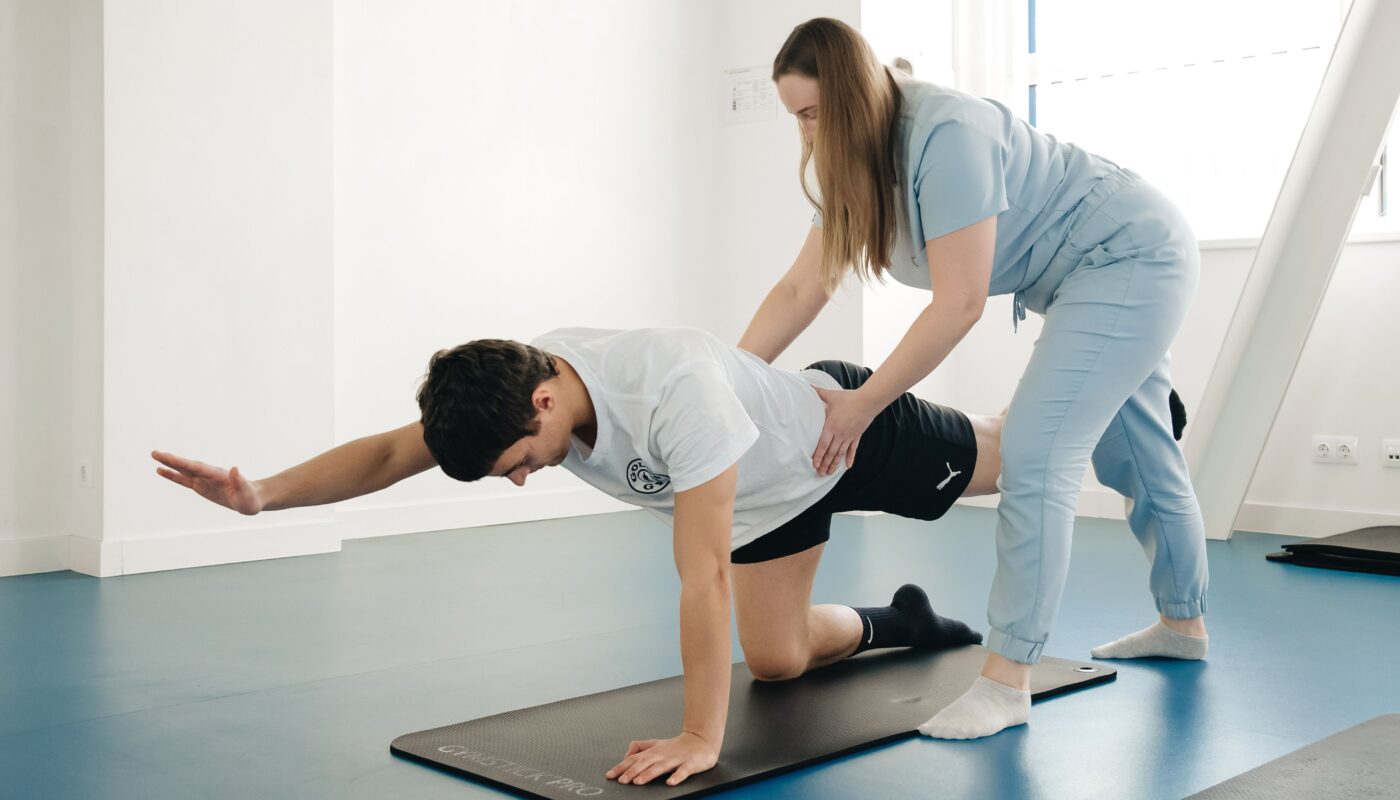
- Bird dog
- Dead bug
- Modified planks
- Side planks
- Pelvic tilts
Improved core endurance allows the back muscles to work more efficiently throughout the day.
Increase Ankle Mobility
Healthy ankle movement allows forces to travel naturally through the lower limbs.
Simple ankle mobility exercises include:
- Ankle circles
- Heel-to-toe rocking
- Toe raises
- Heel raises
- Alphabet tracing with the feet
Better ankle mobility often improves overall balance and reduces fatigue.
Improve Balance
Good balance reduces unnecessary muscle tension.
Simple balance exercises include standing on one foot while holding onto a stable surface if needed.
As balance improves, the body becomes more efficient at maintaining posture.
Walk Whenever Possible
Walking is one of the best ways to interrupt prolonged standing.
Even one or two minutes of walking every half hour can:
- Improve blood circulation
- Relax tight muscles
- Reduce joint stiffness
- Prevent swelling
- Restore energy
Small walking breaks are often more effective than standing completely still.
Stay Hydrated
Muscles function best when adequately hydrated.
Even mild dehydration may contribute to:
- Muscle fatigue
- Cramping
- Reduced circulation
- Lower energy levels
Drink water consistently throughout the day rather than waiting until you feel thirsty.
Maintain a Healthy Body Weight
Extra body weight increases the load placed on the feet, knees, hips, and spine.
Even modest weight reduction can significantly decrease joint stress during standing.
Weight management should focus on sustainable nutrition, regular physical activity, and long-term healthy habits rather than restrictive diets.
Improve Your Circulation
Poor circulation commonly contributes to standing discomfort.
Simple strategies to encourage healthy blood flow include:
- Walking regularly
- Performing ankle pumps
- Wearing appropriate footwear
- Elevating the legs after work
- Staying hydrated
- Avoiding long periods without movement
Better circulation often reduces heaviness and swelling.
Consider Compression Socks
For people whose jobs require prolonged standing, graduated compression socks may reduce swelling and leg fatigue.
Compression garments support blood flow by applying gentle pressure to the lower legs.
Many healthcare professionals, retail workers, and factory employees report improved comfort while wearing them.
Consult a healthcare provider if you have circulation disorders before using compression garments.
Elevate Your Legs After Standing
After a long day, elevate your legs above heart level for 15 to 20 minutes if possible.
This encourages fluid to return toward the heart and helps decrease swelling in the feet and ankles.
Leg elevation is especially helpful for individuals who experience noticeable swelling by evening.
Apply Ice When Necessary
If standing results in localized soreness or inflammation, applying an ice pack for 15 to 20 minutes may help reduce discomfort.
Always place a cloth between the ice pack and the skin to avoid cold injury.
Ice is generally most beneficial after periods of heavy activity or when swelling is present.
Use Heat for Muscle Tightness
When muscles feel stiff rather than swollen, heat therapy may provide relief.
Warm showers, heating pads, or warm compresses help relax tight muscles and improve circulation.
Heat is usually most effective before stretching or gentle exercise.
Pay Attention to Early Warning Signs
Standing pain rarely appears suddenly.
The body often provides early warning signals, including:
- Mild aching
- Tight muscles
- Tingling
- Foot fatigue
- Leg heaviness
- Small areas of stiffness
Responding early with movement, stretching, or rest often prevents more significant pain later.
Organize Your Workspace
A well-designed workspace reduces unnecessary strain.
Helpful adjustments include:
- Keeping frequently used items within easy reach
- Avoiding repeated twisting
- Positioning monitors at eye level
- Using adjustable workstations when available
- Keeping tools close to the body
Small ergonomic improvements can dramatically decrease physical stress.
Rotate Tasks During the Day
If your job allows, alternate between tasks that involve:
- Standing
- Walking
- Sitting
- Reaching
- Lifting
- Administrative work
Task variation reduces repetitive stress on the same muscles and joints.
Lift Objects Correctly
Standing jobs often involve lifting.
Proper lifting technique includes:
- Bending at the hips and knees
- Keeping the object close to your body
- Avoiding twisting while lifting
- Using both hands whenever possible
- Asking for assistance with heavy loads
Poor lifting mechanics commonly contribute to back injuries.
Avoid Holding Heavy Items for Long Periods
Carrying heavy trays, equipment, boxes, or tools while standing places additional strain on the shoulders, spine, and legs.
Whenever possible:
- Use carts
- Set objects down frequently
- Alternate carrying sides
- Reduce unnecessary loads
Even small reductions in carrying time decrease fatigue.
Practice Micro-Movements
Micro-movements are tiny posture changes performed throughout the day.
Examples include:
- Rolling the shoulders
- Flexing the ankles
- Shifting the hips
- Slight knee bends
- Gentle trunk rotations
- Toe curls
These movements keep muscles active without interrupting work.
Use a Footrest
Standing with one foot elevated on a small footrest for short periods can reduce pressure on the lower back.
Alternate feet every few minutes.
This technique is commonly used by workers who stand at counters or workstations for long periods.
Choose the Right Standing Desk Height
Standing desks are valuable only when adjusted correctly.
The desk should allow:
- Elbows bent around 90 degrees
- Wrists remaining straight
- Shoulders relaxed
- Head positioned comfortably above the spine
Improper desk height may simply replace sitting discomfort with standing discomfort.
Don’t Ignore Fatigue
Fatigue changes posture.
As muscles tire, people naturally slouch, lean, or lock their knees.
Recognizing fatigue early allows you to take a brief break before discomfort becomes more severe.
Managing fatigue is part of preventing pain, not a sign of weakness.
Develop Daily Recovery Habits
Recovery is just as important as activity.
After prolonged standing, consider creating a simple recovery routine that includes light walking, stretching, hydration, healthy meals, and adequate sleep.
These habits allow muscles and joints to recover before the next day’s activities, reducing the risk of persistent pain.
Common Mistakes That Make Standing Pain Worse
Sometimes, the habits people adopt to feel more comfortable actually increase pain over time. Recognizing these common mistakes can help prevent unnecessary strain.
Some of the most frequent mistakes include:
- Standing completely still for long periods
- Locking the knees
- Leaning heavily onto one leg
- Wearing worn-out or unsupportive shoes
- Ignoring early signs of fatigue
- Skipping rest breaks
- Standing with rounded shoulders
- Looking downward for extended periods
- Carrying heavy items on one side of the body
- Avoiding movement because of mild discomfort
Replacing these habits with healthier movement patterns can significantly improve comfort.
Standing Pain in Different Occupations
The causes of standing pain often vary depending on the type of work performed.
Healthcare Professionals
Nurses, physicians, therapists, and caregivers often spend entire shifts walking and standing while assisting patients. Long hours, quick movements, and limited break opportunities can increase strain on the feet, knees, hips, and back.
Supportive footwear, compression socks, and scheduled movement breaks can make a noticeable difference.
Retail Workers
Cashiers and retail employees frequently stand in one location for extended periods while serving customers.
Anti-fatigue mats, supportive shoes, and regular posture changes can help reduce discomfort.
Teachers
Teachers may stand throughout lessons while moving around classrooms.
Alternating between sitting and standing during instruction, wearing supportive footwear, and stretching between classes can reduce muscle fatigue.
Restaurant Staff
Chefs, servers, and kitchen workers often stand on hard flooring for many hours.
Using cushioned mats, maintaining proper posture while preparing food, and wearing slip-resistant supportive shoes are essential for long-term comfort.
Factory and Warehouse Workers
Manufacturing and warehouse jobs often combine prolonged standing with repetitive lifting and carrying.
Proper lifting techniques, ergonomic workstations, and regular recovery breaks help lower the risk of injury.
Hairdressers and Barbers
Hair professionals commonly work with their arms elevated while standing.
Adjustable client chairs, supportive footwear, and shoulder stretches can reduce strain throughout the workday.
Standing Pain in Older Adults
As people age, natural changes occur in muscles, joints, and connective tissues.
Older adults may experience:
- Reduced muscle strength
- Less joint flexibility
- Slower recovery
- Balance challenges
- Age-related joint changes
Regular low-impact exercise, strength training, flexibility work, and balance exercises can help maintain mobility while reducing standing-related discomfort.
Standing Pain During Pregnancy
Pregnancy places additional demands on the feet, hips, pelvis, and lower back.
Hormonal changes also increase ligament flexibility, which may reduce joint stability.
Pregnant individuals may benefit from:
- Supportive footwear
- Compression stockings when recommended
- Frequent rest periods
- Gentle stretching
- Avoiding prolonged standing whenever possible
Any severe pain, swelling, dizziness, or sudden symptoms during pregnancy should be discussed with a healthcare professional promptly.
How Sleep Affects Standing Pain
Quality sleep allows muscles, joints, and connective tissues to recover from daily activity.
Poor sleep can increase pain sensitivity, reduce tissue healing, and contribute to ongoing fatigue.
To improve recovery:
- Maintain a regular sleep schedule.
- Create a comfortable sleeping environment.
- Limit caffeine late in the day.
- Reduce screen time before bed.
- Choose a supportive mattress and pillow that suit your sleeping position.
Consistent, restorative sleep supports overall musculoskeletal health.
The Role of Nutrition in Muscle and Joint Health
A balanced diet supports healthy muscles, bones, and connective tissues.
Focus on eating a variety of:
- Fruits
- Vegetables
- Whole grains
- Lean proteins
- Healthy fats
- Calcium-rich foods
- Vitamin D sources
- Magnesium-containing foods
Proper nutrition works alongside movement and recovery to keep the body functioning efficiently.
Stress Can Increase Physical Pain
Emotional stress often causes muscles to tighten, especially around the neck, shoulders, and back.
Over time, this tension can worsen discomfort from prolonged standing.
Helpful stress-management strategies include:
- Deep breathing
- Mindfulness
- Gentle stretching
- Walking outdoors
- Relaxation exercises
- Maintaining healthy work-life balance
Managing stress supports both physical comfort and overall well-being.
Create a Daily Standing Routine
Instead of waiting until pain develops, build healthy habits into your daily routine.
A simple example might include:
- Stretch for five minutes before work.
- Wear supportive footwear.
- Shift weight regularly.
- Walk briefly every 30 minutes.
- Drink water throughout the day.
- Perform calf raises during breaks.
- Stretch again after work.
- Elevate your legs in the evening if needed.
Small actions repeated consistently often provide greater benefits than occasional intensive efforts.
When Standing Pain Needs Medical Evaluation
Although standing pain is frequently related to muscle fatigue or posture, some situations require medical attention.
Consult a healthcare professional if pain:
- Persists despite self-care
- Continues for several weeks
- Interferes with daily activities
- Becomes progressively worse
- Causes difficulty walking
- Is accompanied by significant swelling
- Follows an injury or fall
- Occurs with numbness or weakness
- Includes redness, warmth, or fever
- Is associated with unexplained weight loss
- Wakes you consistently during the night
Prompt evaluation can help identify underlying conditions that may require specific treatment.
Conditions That May Cause Persistent Standing Pain
Sometimes prolonged standing simply reveals an existing medical condition rather than causing the pain itself.
Examples include:
- Plantar fasciitis
- Achilles tendinopathy
- Osteoarthritis
- Rheumatoid arthritis
- Flat feet
- High arches
- Varicose veins
- Chronic venous insufficiency
- Peripheral neuropathy
- Lumbar spinal stenosis
- Sciatica
- Stress fractures
- Tendon disorders
Proper diagnosis is important because treatment varies depending on the underlying cause.
Long-Term Prevention Strategies
Reducing standing pain is rarely about one single solution.
Long-term success comes from combining several healthy habits consistently.
Effective prevention strategies include:
- Maintaining regular physical activity
- Building muscle strength
- Improving flexibility
- Wearing supportive footwear
- Replacing worn shoes promptly
- Staying hydrated
- Maintaining a healthy weight
- Using ergonomic workstations
- Taking movement breaks
- Managing stress
- Prioritizing sleep
- Listening to your body’s warning signs
These strategies not only reduce discomfort but also support overall musculoskeletal health.
Key Takeaways
Standing is a normal part of everyday life, but prolonged standing can place significant demands on muscles, joints, and circulation. Fortunately, reducing standing pain usually involves practical, manageable adjustments rather than complicated treatments.
Simple habits such as wearing supportive shoes, avoiding locked knees, changing positions frequently, stretching regularly, strengthening key muscle groups, staying hydrated, and improving workstation ergonomics can greatly reduce discomfort. Paying attention to early signs of fatigue and making small corrections throughout the day helps prevent pain from becoming chronic.
If standing pain becomes severe, persistent, or is accompanied by concerning symptoms such as swelling, numbness, weakness, or difficulty walking, seeking medical evaluation is important to identify and address any underlying condition.
Conclusion
Standing should not be something you simply endure. While certain occupations and daily responsibilities may require long hours on your feet, the body responds remarkably well to thoughtful care and consistent movement. Every small adjustment—from choosing better footwear to taking short walking breaks or improving posture—helps reduce the stress placed on your muscles and joints.
Preventing standing pain is not about achieving perfect posture or eliminating all discomfort overnight. It is about creating sustainable habits that support your body’s natural mechanics. By combining regular movement, strength, flexibility, ergonomic improvements, proper recovery, and attention to early warning signs, you can stand longer with greater comfort, improve your daily performance, and protect your long-term musculoskeletal health.
Sources
National Institute for Occupational Safety and Health (NIOSH) – Musculoskeletal Disorders and Workplace Factors; World Health Organization (WHO) – Physical Activity Guidelines; American Academy of Orthopaedic Surgeons (AAOS) – Foot and Ankle Health; American Podiatric Medical Association (APMA) – Foot Health Resources; Mayo Clinic – Back Pain and Healthy Lifestyle articles; Cleveland Clinic – articles on posture, foot pain, muscle fatigue, and ergonomics.